
How Ball Bearings Reduce Friction: Working Principle and Engineering Benefits

11 NOVEMBER 2026

A rotating shaft loses energy when friction resists its movement. In electric motors, wheels, pumps, and industrial machinery, this resistance can increase heat, wear, and power consumption. The bearing working principle involves allowing balls to roll between two raceways rather than depending on direct sliding contact, helping reduce ball bearing friction. 

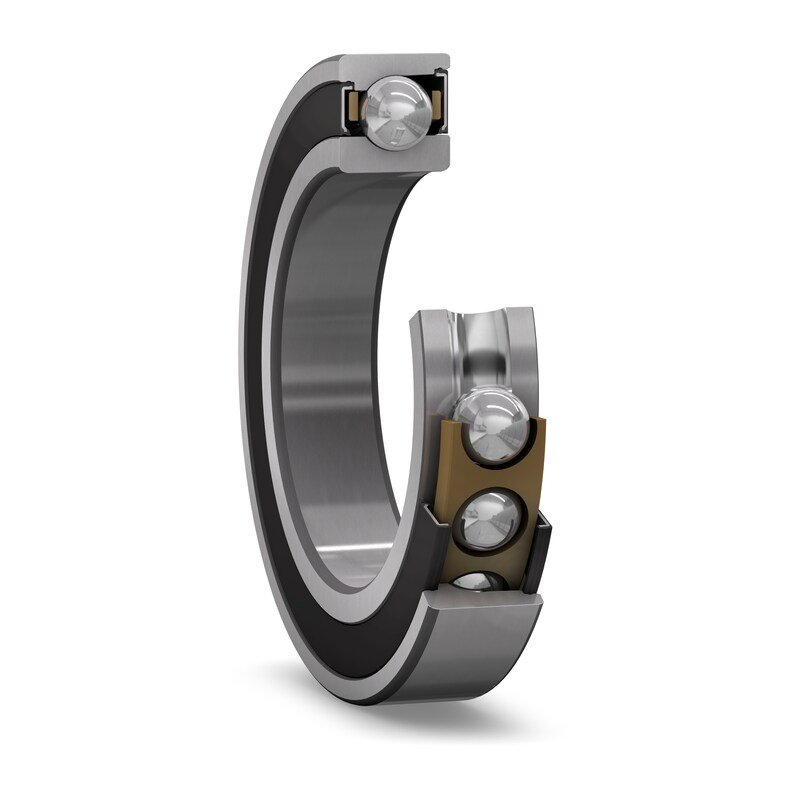
Deep-groove ball bearings are widely used in mechanical equipment because they support radial loads and can also accommodate axial loads under suitable conditions. Their friction performance depends on load, speed, lubrication, seals, and bearing construction.

What Happens Inside a Ball Bearing?

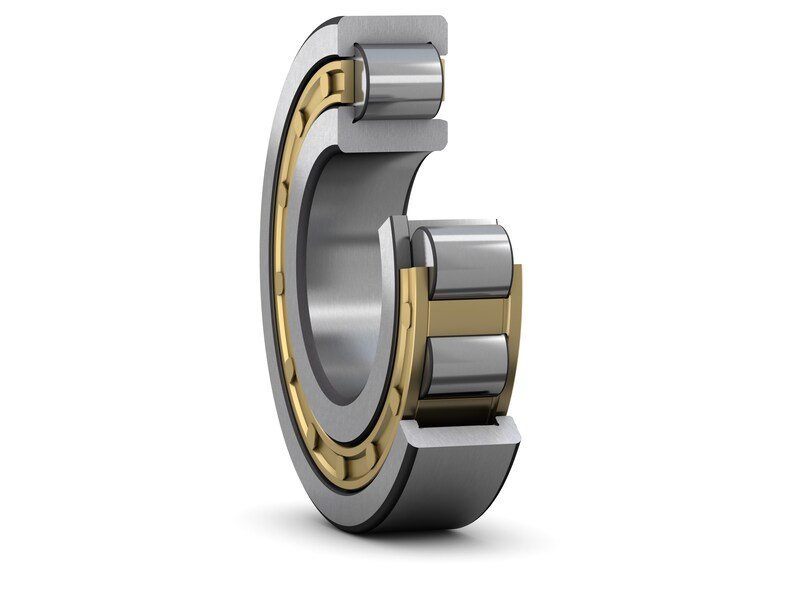
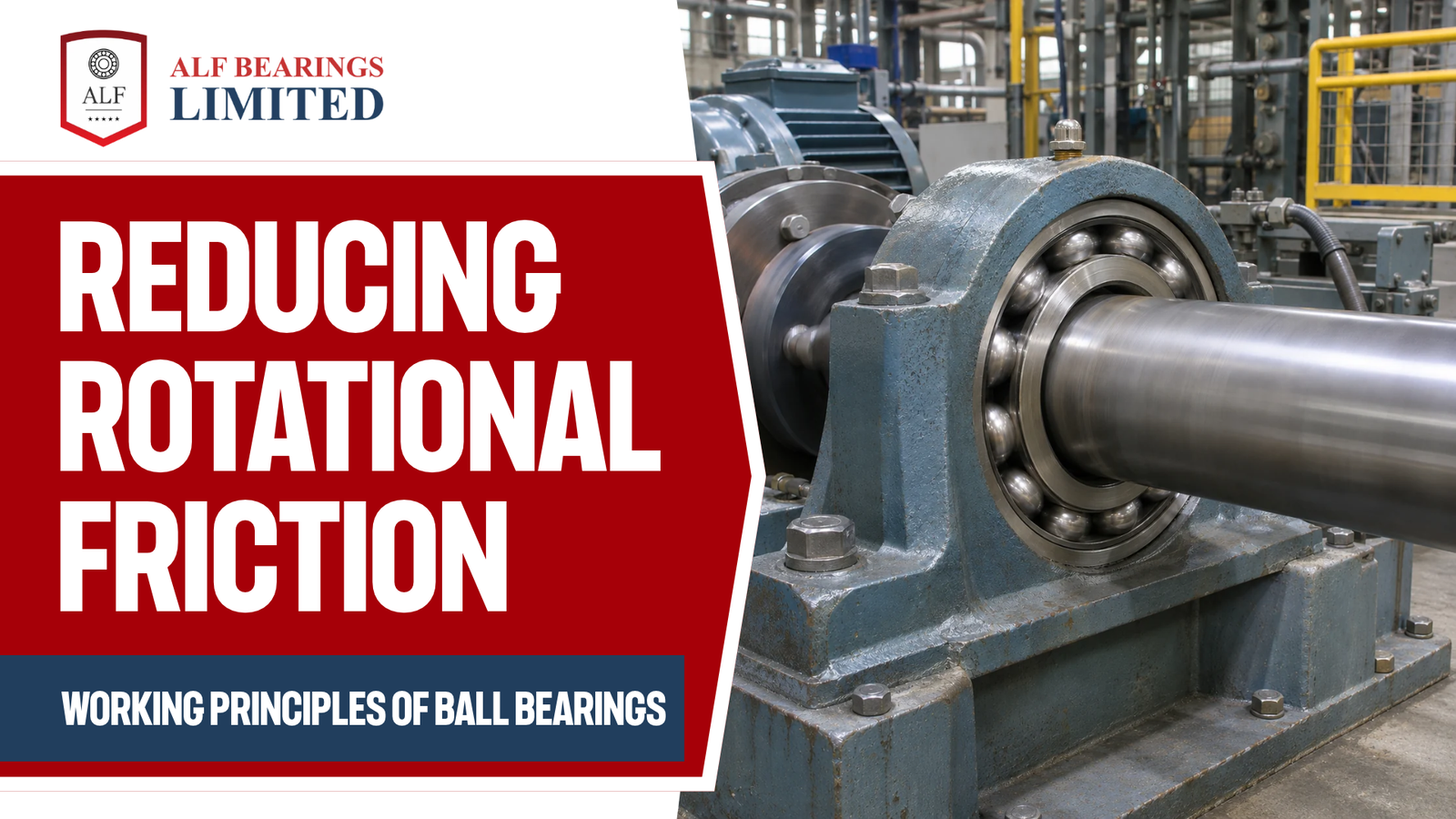
A ball bearing has four main components- an inner ring, an outer ring, balls, and a cage. The inner ring generally rotates with the shaft, while the outer ring is fitted into the housing. As the shaft turns, the balls roll along the grooves, known as raceways, and transfer loads between the rings. This bearing working principle helps maintain smooth shaft rotation.

This arrangement reduces the sliding contact found in a plain bearing, supporting friction reduction during operation. The cage keeps the balls separated, helping prevent them from crowding together and rubbing against one another.

The balls make relatively small contact areas with the raceways. Under load, these contact areas deform into small elliptical regions. This design supports the ball bearing function of carrying loads while maintaining rolling motion, although the small contact area also limits its load capacity compared with a similarly sized roller bearing.

Why Rolling Motion Reduces Friction

Think of moving a heavy object on wheels instead of dragging it across the floor. The wheels make movement easier because they replace much of the sliding resistance with rolling resistance. Ball bearings use the same mechanical principle.

Rolling friction is generally lower than sliding friction under comparable conditions. This helps reduce the torque required to rotate a shaft and limits energy lost as heat.

However, a ball bearing does not eliminate friction. Some resistance comes from the deformation of balls and raceways, lubricant movement, and sliding at certain internal contacts. Seals and cage interactions can also contribute. These factors explain why two ball bearings of similar size may have different friction levels.

Four Factors That Affect Ball Bearing Friction

The rolling elements provide the basic friction-reduction mechanism, but several other factors determine how the bearing performs in service.

1. Lubrication

Grease or oil helps separate the balls from the raceways, reducing wear and protecting the contact surfaces. Too little lubricant can damage the surfaces, while excess grease may increase resistance and operating temperature, particularly at high speeds.

2. Bearing load

Higher loads increase contact pressure and elastic deformation between the balls and raceways. This can increase friction and affect bearing life if the load exceeds the design limits.

3. Rotational speed

At higher speeds, lubricant movement and churning can contribute more to friction. The grease type, oil viscosity, cage design, and seal arrangement must suit the intended speed.

4. Internal clearance and alignment

Incorrect clearance, excessive preload, or misalignment can increase contact forces and friction. Proper mounting and the specified internal clearance help the bearing operate as intended.

How Ball Bearings Help Machinery Operate Efficiently

The benefits are visible across different types of equipment.

Electric motors – Low-friction rotation helps reduce mechanical power losses.

Automotive wheels – Bearings support vehicle loads while allowing the wheels to rotate.

Pumps and fans – Suitable bearings support rotating shafts during continuous operation.

Industrial machinery – Reduced friction can help limit heat generation and wear during repeated movement.

The actual energy savings depend on the complete machine, operating conditions, and bearing selection. A bearing alone cannot guarantee higher efficiency if the equipment has poor alignment, unsuitable lubrication, or other sources of mechanical resistance.

Ball Bearings vs. Plain Bearings

The main difference lies in how the moving surfaces interact. A ball bearing uses rolling elements between raceways, whereas a plain bearing supports a shaft through sliding contact.

Ball bearings generally offer low starting and running friction, making friction reduction one of their main benefits in applications requiring rotational movement. Plain bearings can be preferable in some heavily loaded, compact, or oscillating applications, particularly when designed to operate with a suitable lubricating film. The better option depends on load, speed, space, maintenance, and operating conditions.

Wrapping it Up

Ball bearings reduce friction by using rolling elements to support loads between two raceways. Their ball bearing function also depends on lubrication, clearance, load, and installation. Selecting the correct bearing for the application and maintaining it according to the specified conditions helps control heat, reduce wear, and limit unnecessary energy loss.

FAQs

1. How do ball bearings reduce friction?

They allow balls to roll between the inner and outer raceways, reducing much of the direct sliding contact between moving parts.

2. What is rolling friction?

Rolling friction is the resistance that occurs when an object rolls over a surface. It is generally lower than sliding friction under comparable conditions.

3. Does grease reduce ball bearing friction?

Suitable grease helps maintain a protective lubricating film and limit wear. The wrong type or excessive quantity can increase friction.

4. Can ball bearings eliminate friction completely?

No. Contact deformation, lubricant resistance, seals, and cage interaction still produce friction.

5. What causes high friction in ball bearings?

Poor lubrication, excessive loads, incorrect clearance, contamination, misalignment, and unsuitable operating speeds can increase friction.
What Is Bearing Lubrication?

26 AUGUST 2026

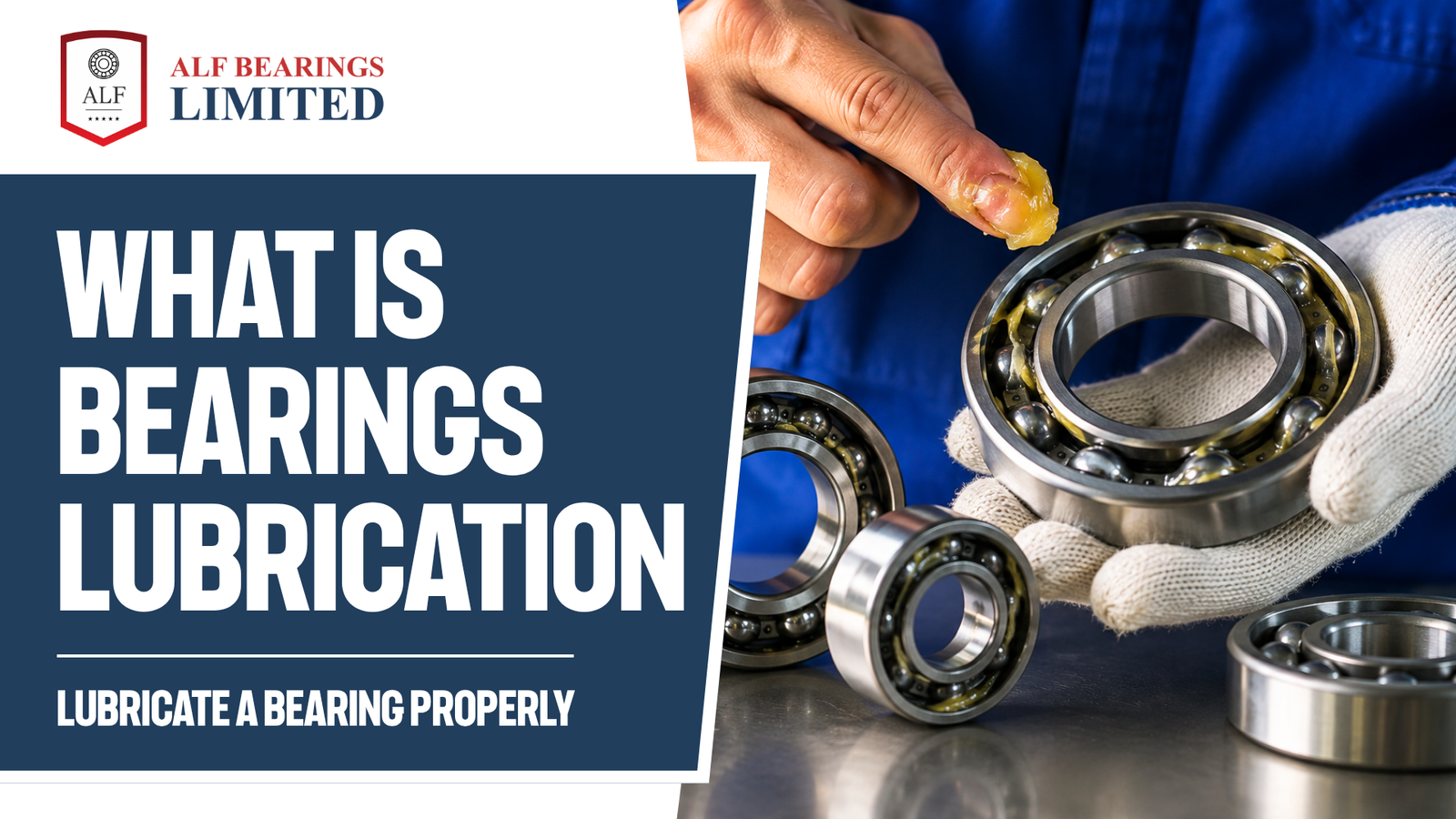
Bearings work through rolling and sliding contact between their internal parts. Without proper lubrication, these surfaces can experience higher friction, heat, and wear. Bearing Lubrication creates a thin film between the contacting surfaces, helping the bearing run with less resistance and protecting it during operation. The two main choices are grease and oil, and the right option depends on speed, load, temperature, bearing type, and the surrounding conditions.

Lubrication involves choosing the right lubricant, quantity, viscosity, application method, and replacement interval. Proper Bearing Lubrication can support friction reduction, while too little lubricant can increase wear and too much can raise friction and temperature.

Why Bearings Need Lubrication

The main job of a lubricant is to keep the rolling and sliding surfaces from making direct contact. A suitable lubricant forms a film between the surfaces, which helps reduce wear and friction. Proper lubrication can also help with:

  • Friction Reduction between moving surfaces.
  • Heat Dissipation during bearing operation.
  • Protection against rust and corrosion.
  • Protection from dust and other contaminants.
  • Reduction of surface wear.
  • Longer service life when the correct lubricant and quantity are used.

Lubrication also affects the operating temperature of a bearing. The correct amount can help control heat, while excessive lubricant can create additional resistance and raise temperature.

Grease and Oil: What Is the Difference?

Grease Lubrication is used in a large share of rolling-bearing applications because grease stays at the bearing and does not require a continuous supply system. It can also provide some protection against external contamination. Oil, on the other hand, flows through the bearing and can carry heat away more effectively.

FactorGreaseOil
High-speed operationSuitable for many applicationsGenerally better for higher speeds
CoolingLimitedBetter heat removal
LeakageEasier to containRequires proper sealing
MaintenanceUsually simplerMay require circulation or filtration
ContaminationCan help keep contaminants outCan be filtered during circulation

The choice should be based on the bearing and machine rather than assuming one lubricant is always better.

How to Choose Bearing Grease

There are several Bearing Grease Types, each with different properties. Grease contains base oil, a thickener, and additives that support lubrication, rust protection, oxidation resistance, and wear control. When selecting grease, the following factors should be checked:

  1. Bearing speed.
  2. Operating temperature.
  3. Load level.
  4. Water or moisture exposure.
  5. Required relubrication interval.
  6. Compatibility with seals and other materials.
  7. Required noise and running characteristics.

Grease consistency is also important. NLGI grades describe how firm or soft a grease is, while the viscosity of its base oil affects the lubricating film. A higher NLGI number does not automatically mean better bearing performance; the grade needs to suit the application.

When Is Lubricating Oil a Better Choice?

Lubricating Oil is suitable for many high-speed or high-temperature bearings, especially where cooling is required. It can also be circulated, filtered, and cooled during operation. The correct viscosity is important: oil that is too thin may not provide enough protection, while oil that is too thick can increase resistance and heat. Mineral or synthetic oil should be selected based on speed, load, temperature, and operating conditions.

What Are the Main Lubrication Methods?

Different Lubrication Methods are used depending on the machine and bearing arrangement.

Grease Lubrication

Grease is packed into the bearing or housing and remains near the contact surfaces. It is suitable for many general industrial applications and can simplify the surrounding bearing arrangement.

Oil Bath

The bearing runs with part of its lower rolling element immersed in oil. This method is used in applications where moderate speed and simple oil circulation are suitable.

Oil Splash

Oil is distributed by nearby rotating parts such as gears or rings. This can supply lubricant to bearings without placing the bearing directly in an oil bath.

Oil Circulation

Oil is continuously supplied, collected, filtered, and returned to the bearing. This method is useful when heat removal or continuous oil replacement is needed, particularly in higher-speed applications.

Oil-Air Lubrication

Small amounts of oil are delivered to the bearing with a controlled air supply, making this method suitable for high-speed applications. The lubrication method should match the bearing speed, load, temperature, and machine arrangement.

Why Too Much Grease Can Cause Problems

Adding more grease does not necessarily improve lubrication. Excess grease can increase churning, which raises friction and temperature. It can also place extra stress on seals and may lead to lubricant leakage.

The correct grease quantity depends on bearing size, housing space, speed, grease properties, and temperature. For some standard applications, a lower fill is used as bearing speed approaches its limiting speed.

For this reason, grease should be added according to the bearing or machine manufacturer’s instructions rather than filling the entire housing.

How to Maintain Proper Bearing Lubrication

Use the recommended lubricant and check compatibility before mixing greases or changing oil types. Maintenance teams should also check lubricant condition, leakage, contamination, temperature, and signs of bearing wear.

  • Unusual bearing noise.
  • Higher-than-normal operating temperature.
  • Grease leakage or discoloration.
  • Changes in vibration.
  • Signs of contamination.
  • Lubricant deterioration.

Relubrication should follow the recommended interval for the bearing and operating conditions. Sealed or shielded bearings that are supplied with lubricant for their service life should not automatically be regreased.

Wrapping It up

Good lubrication starts with choosing the right lubricant, using the correct quantity, and applying it in a way that suits the bearing and machine. Grease works well for many applications, while oil can be better suited to higher speeds and situations where cooling is needed. Checking speed, load, temperature, and operating conditions before selecting a lubrication system can help keep the bearing running properly and reduce unnecessary wear.

FAQs

1. Can different bearing greases be mixed?

Different greases should not be mixed unless their compatibility has been confirmed. Mixing incompatible products can affect consistency and lubrication performance.

2. What does NLGI grade indicate?

The NLGI grade indicates the consistency or firmness of grease. It does not by itself determine whether a grease is suitable for a particular bearing.

3. When should bearing lubricant be replaced?

The timing depends on the bearing, lubricant, operating temperature, speed, load, and working conditions. Manufacturer recommendations should be followed.

4. Can a bearing operate without regular relubrication?

Some sealed bearings are supplied with lubricant for their service life, while others require periodic relubrication. The bearing design and manufacturer’s instructions determine the requirement.

5. What can cause lubricant to deteriorate?

High temperature, contamination, moisture, oxidation, excessive load, and unsuitable operating conditions can affect lubricant condition.