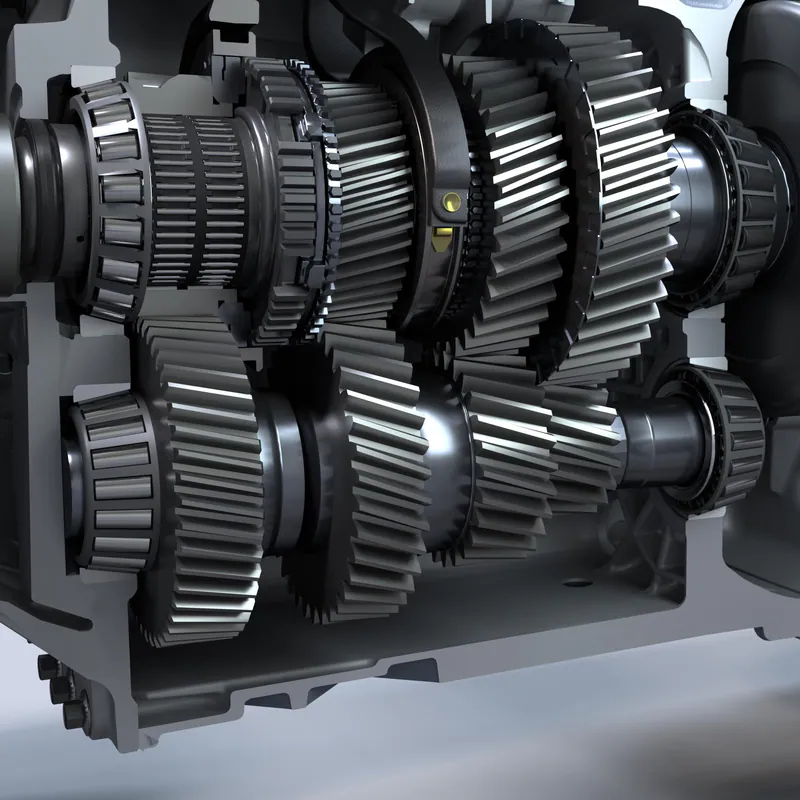

Bearings are found in almost every machine that has moving parts. They help reduce friction, support rotating shafts, and allow equipment to run smoothly. From electric motors and pumps to automobiles, wind turbines, and factory machines, many industries use bearings. Since they work under high speeds and heavy loads, they must be made with great accuracy.
According to the World Bearing Association, millions of industrial and automotive applications worldwide use rolling bearings, which makes quality manufacturing essential for machine reliability. This is why manufacturers follow a carefully planned bearing manufacturing process to produce bearings that meet strict performance and safety standards.
If you have ever wondered how bearings are manufactured, this guide explains each stage in simple words.
Step-by-Step Bearing Manufacturing Process
The step-by-step bearing manufacturing process involves several stages, and each one helps improve the strength, precision, and durability of the final product. Even a small error during production can affect the bearing’s performance, so every step is carried out with close attention to detail.
1. Selecting the Right Raw Material
The first step in the bearing production process is selecting the right material. Most bearings are made from high-carbon chromium steel because it offers excellent hardness, wear resistance, and long service life. Depending on the application, manufacturers may also use stainless steel, alloy steel, or special materials for harsh working conditions.
Good-quality raw material is the foundation of reliable industrial bearing manufacturing, as it directly affects the bearing’s strength and lifespan.
2. Forging the Bearing Rings
After the steel is selected, it is heated to a high temperature and shaped into rough bearing rings through a forging process.
Forging improves the internal grain structure of the steel, making the rings stronger and more durable. At this stage, the rings are only given their basic shape. The final dimensions are achieved during machining.
These are some of the most important bearing manufacturing steps because strong bearing rings help improve overall performance.
3. Precision Machining
The forged rings are then sent for machining. CNC machines remove extra material and create the exact dimensions needed for the inner and outer rings.
During this stage, manufacturers also machine the raceways where the rolling elements move. High accuracy is necessary because even a small variation can affect rotation, noise, and bearing life.
Precision machining is one of the reasons modern bearings perform reliably in demanding industrial applications.
4. Bearing Heat Treatment Process
The next stage is the bearing heat treatment process, which increases the hardness of the steel while maintaining enough toughness to handle heavy loads.
The rings are heated and cooled under carefully controlled conditions. This changes the internal structure of the metal and improves wear resistance. Without proper heat treatment, bearings may wear out much faster during regular operation.
5. Grinding and Surface Finishing
After heat treatment, the bearing rings go through precision grinding.
Grinding removes tiny surface imperfections and produces a smooth finish on the raceways. Smooth surfaces reduce friction, lower operating noise, and improve rotation.
Manufacturers also check the dimensions at this stage to ensure every component meets the required tolerance.
How Ball Bearings Are Manufactured
Many people ask how ball bearings are made because the balls themselves require the same level of precision as the bearing rings.
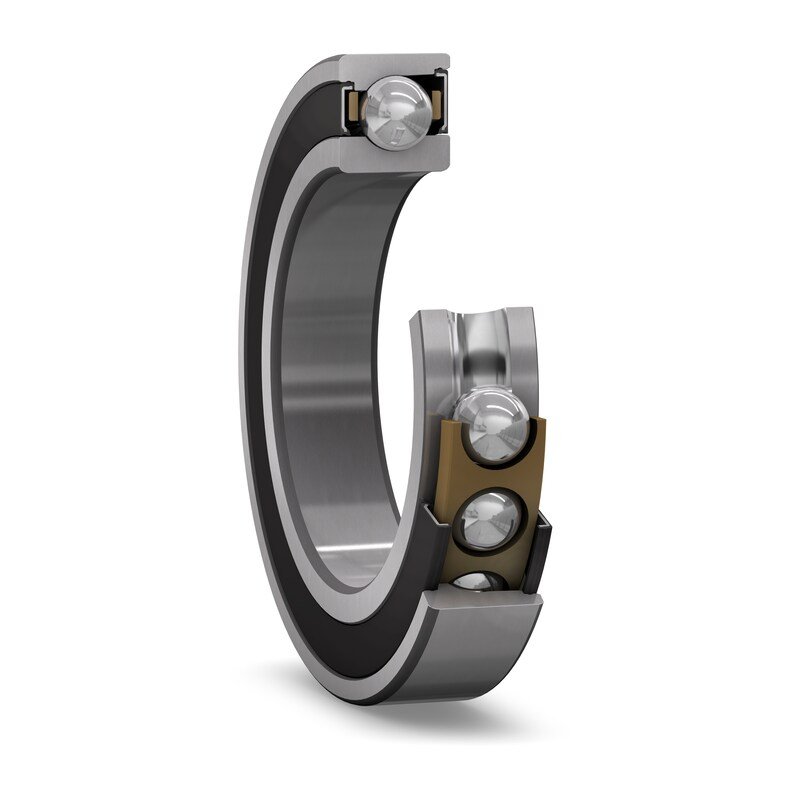
Steel wire is cut into small pieces and shaped into rough balls using cold-heading machines. The balls then pass through flashing, heat treatment, grinding, and polishing. Each ball is carefully measured before assembly to ensure consistent size and surface quality.
The process of how ball bearings are manufactured focuses on achieving perfectly round balls that move smoothly inside the bearing.
Manufacturing Process of Roller Bearings
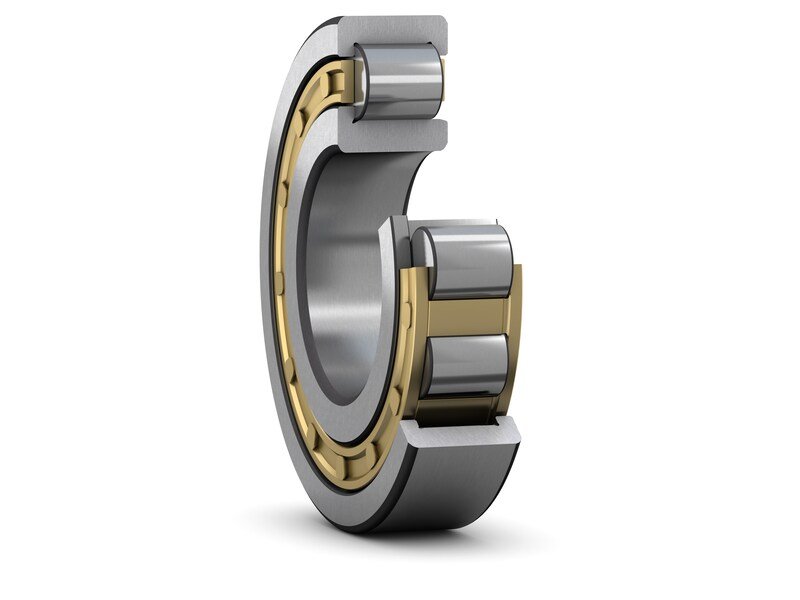
The manufacturing process of roller bearings is similar to ball bearing production, but cylindrical, tapered, or spherical rollers are manufactured instead of steel balls.
These rollers are also heat-treated, ground, polished, and inspected before assembly. Different roller designs are used depending on the type of load and operating conditions.
Assembly and Final Inspection
Once every component is ready, the bearing is assembled by placing the rolling elements between the inner and outer rings with the help of a cage.
Before the bearing leaves the factory, it undergoes several bearing quality testing methods. Manufacturers inspect dimensions, hardness, noise levels, vibration, rotation accuracy, and load performance. Advanced inspection equipment helps detect even the smallest defects before the product is approved.
How Precision Bearings Are Made
Applications such as aerospace equipment, robotics, medical devices, and high-speed machinery require greater accuracy than standard bearings.
To understand how precision bearings are made, manufacturers use tighter machining tolerances, advanced grinding equipment, cleaner assembly areas, and additional inspections. These extra steps help ensure smooth performance even under demanding operating conditions.
Wrapping It Up
The quality of a bearing depends on how carefully it is made. Every step, from selecting the raw material to testing the finished product, helps improve its strength, accuracy, and service life. Knowing how bearings are manufactured also makes it easier to understand why high-quality bearings perform better and last longer in different industrial applications.
FAQs
Most bearings are made from high-carbon chromium steel because it offers excellent hardness, wear resistance, and durability. Stainless steel and alloy steel are also used for specific applications.
Heat treatment increases the hardness and strength of bearings. components while improving their resistance to wear. This helps bearings perform reliably under heavy loads and high-speed conditions.
Manufacturers inspect bearings for dimensions, hardness, noise, vibration, rotation accuracy, and load performance. These quality checks help ensure the bearings meet industry standards before we supply them to customers.
The manufacturing time depends on the bearing type, size, and production process. Most bearings go through multiple stages, including forging, machining, heat treatment, and quality testing before they are ready for use.
Precision helps bearings rotate smoothly with less friction and vibration. It also improves performance, extends service life, and reduces the risk of early failure.