Thrust Bearing | Types, Uses, Applications, and Selection Guide

17 OCTOBER 2026

Have you noticed excessive shaft movement, unusual noise, or premature wear in rotating machinery? These problems can occur when axial loads are not properly supported or bearings are poorly lubricated. Rolling-bearing failure classifications identify lubrication problems, contamination, and material fatigue as possible causes of bearing damage. A thrust bearing supports forces acting parallel to a shaft, while a thrust ball bearing is suitable for applications requiring axial load support with low friction. The right choice depends on the load, operating speed, and working conditions.

What Is a Thrust Bearing?

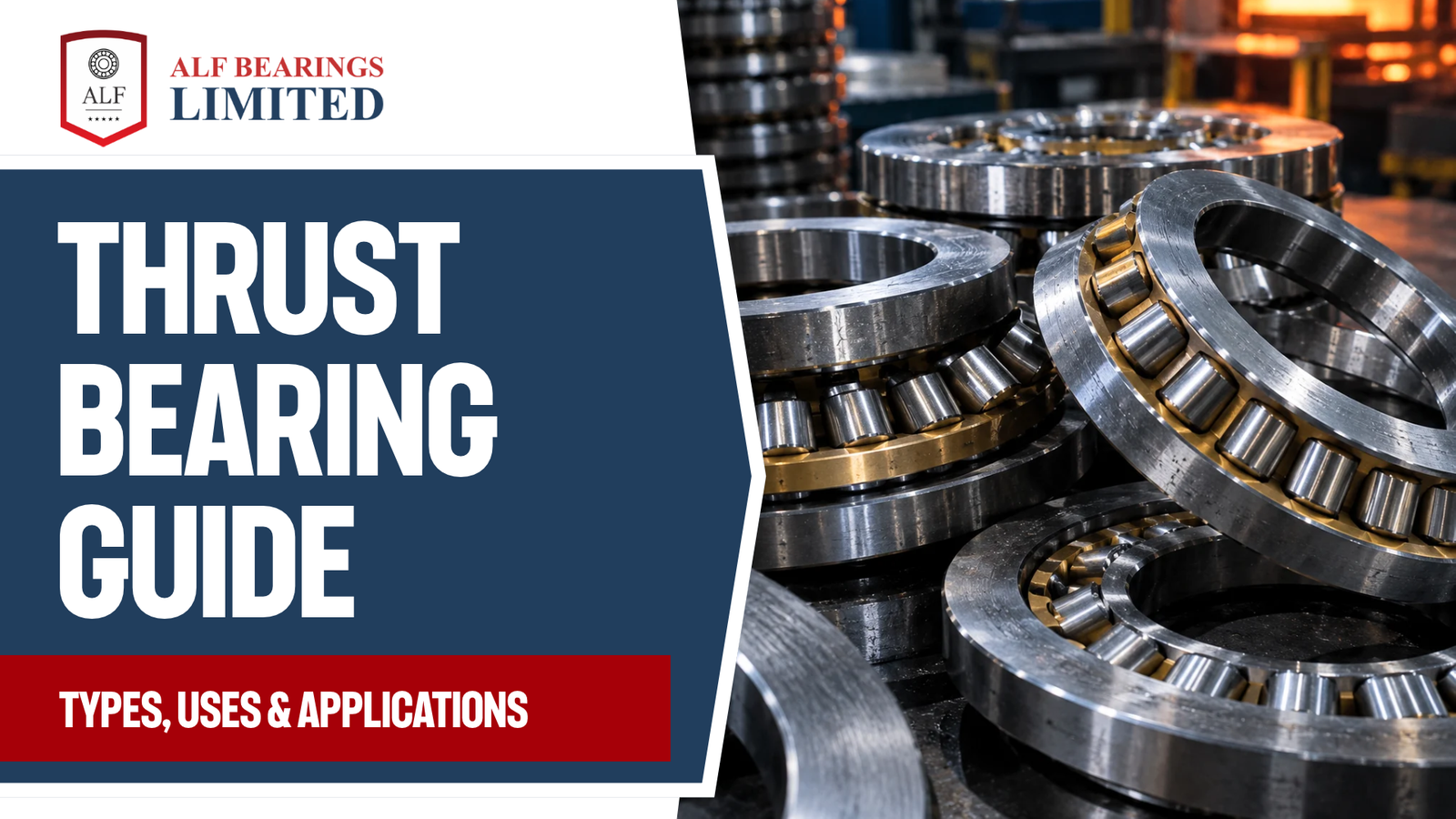
A thrust bearing supports axial loads that act parallel to a shaft and helps control unwanted movement. It uses balls or rollers between raceways to reduce friction during rotation. For example, in a marine propulsion system, a thrust bearing transfers the propeller’s axial force to the supporting structure. Among the different thrust bearing types, a thrust ball bearing suits lighter axial loads, while thrust roller bearings are available for heavier loads, depending on their design.

What Are the Main Thrust Bearing Types?

Thrust bearings are available in several designs to meet different load and installation requirements. Here thrust bearing types are mentioned.

1. Thrust Ball Bearings

Thrust ball bearings use balls positioned between shaft and housing washers. They are generally suitable for light to moderate axial loads, depending on their design and operating conditions. There are two common configurations.

  • Single-direction thrust ball bearings: Support axial loads in one direction.
  • Double-direction thrust ball bearings: Support axial loads in both directions.

These bearings are used in machine tools, selected automotive mechanisms, and household equipment. They are best suited to applications where radial forces are minimal.

2. Thrust Roller Bearings

Thrust roller bearings use rollers to support axial loads. Their larger contact area makes several designs suitable for heavier loads than comparable ball-bearing arrangements.

Common Types 

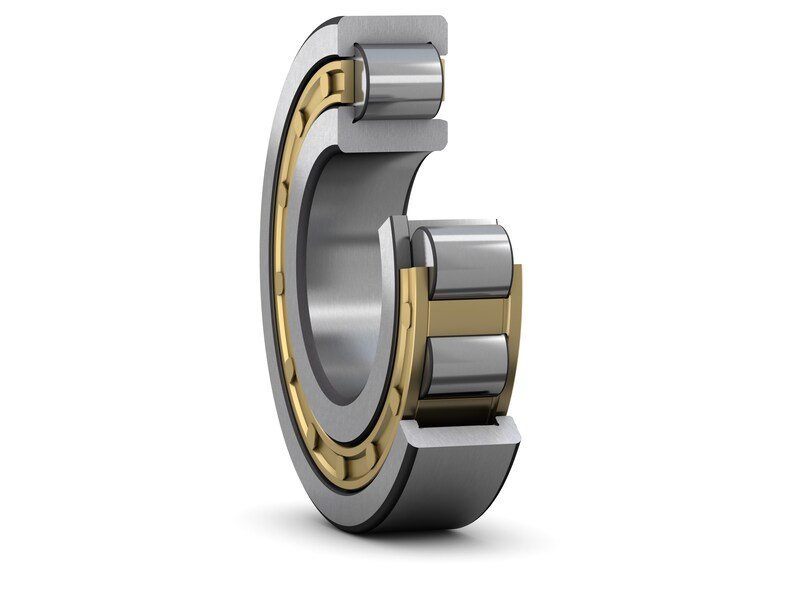
Cylindrical roller thrust bearings: Used in heavy-duty machinery and industrial equipment exposed to substantial axial forces.

Needle thrust bearings: Suitable for compact assemblies where installation space is limited, such as certain transmission mechanisms.

Spherical roller thrust bearings: Handle heavy axial loads and accommodate limited misalignment. Some designs can also support radial loads.

The choice depends on load capacity, operating speed, alignment, lubrication, and available space.

What Are the Common Thrust Bearing Uses?

Thrust bearing uses extend across automotive, manufacturing, marine, and industrial equipment. The bearing helps control axial forces that can otherwise affect shaft positioning and machine operation. Common thrust bearings are used as listed here.

  • Automotive transmissions
  • Industrial pumps
  • Marine propulsion systems
  • Machine tool spindles

Each application has different load and speed requirements, so the bearing must be selected according to the machine’s specifications.

Where Are Tapered Roller Bearings Used?

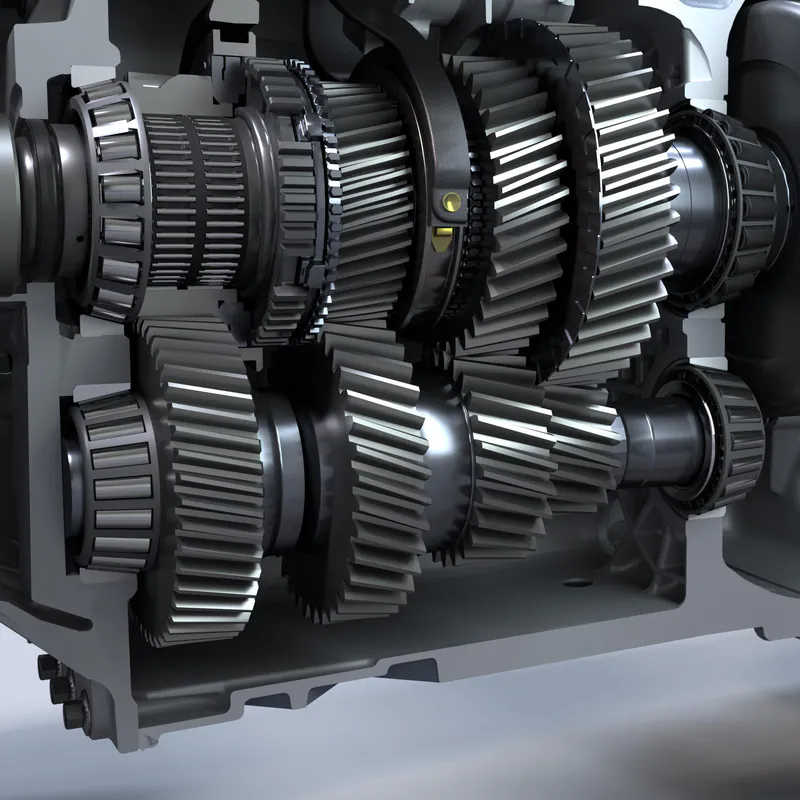
Tapered roller bearings support combined radial and axial loads, making them suitable for machinery exposed to forces from different directions. Common tapered bearing applications include vehicle wheel hubs, gearboxes, differentials, and industrial equipment.

For example, in a car wheel hub, these bearings support vehicle weight while handling cornering forces. Single-row tapered roller bearings are often fitted in pairs to manage axial loads in both directions.

When choosing among tapered bearing manufacturers, compare load ratings, dimensions, material quality, and speed limits to match the bearing to the application.

How to Select the Right Thrust Bearing

Selecting a suitable bearing requires checking the machine’s operating conditions before comparing available models.

  • Calculate the expected load and check the bearing’s dynamic and static load ratings.
  • Confirm that the bearing can operate at the required speed under the specified lubrication conditions.
  • Radial forces: Determine whether the assembly needs separate radial support or a bearing designed for combined loads.
  • Check the bore, outside diameter, width, and mounting arrangement.
  • Choose suitable grease or oil based on speed, temperature, and operating conditions.
  • Consider contamination protection, inspection access, and replacement requirements.

Installation also affects bearing performance. Incorrect mounting, misalignment, excessive loading, and insufficient lubrication can lead to overheating, surface damage, and early failure. Following the manufacturer’s installation instructions helps prevent these problems.

Wrapping It Up

Thrust ball bearings suit applications with lighter axial loads, while thrust roller bearings handle heavier loads depending on their design. For machinery exposed to combined radial and axial forces, tapered roller bearings may be a better choice. Matching the bearing type to the machine’s operating conditions helps prevent premature wear and maintain performance.

FAQ

1. What is the main function of a thrust bearing?

A thrust bearing supports axial loads and controls movement along a rotating shaft.

2. What is a thrust ball bearing used for?

It supports axial loads in applications such as selected machine mechanisms, automotive assemblies, and household equipment.

3. What are the main thrust bearing types?

Common types include thrust ball bearings, cylindrical roller thrust bearings, needle thrust bearings, and spherical roller thrust bearings.

4. Can thrust bearings support radial loads?

Most standard thrust bearings have limited radial load capacity. A separate radial bearing or a suitable combined-load design may be required.

5. What are common tapered bearing applications?

Tapered roller bearings are used in vehicle wheel hubs, differentials, gearboxes, railway equipment, and industrial machinery exposed to combined radial and axial loads.
Types of Bearings and Their Uses Explained

14 AUGUST 2026

Why isn’t one bearing suitable for every machine? Every machine operates under different loads, speeds, and working conditions, so the same bearing cannot perform equally well in every application. That’s why manufacturers have developed different types of bearings, each designed to handle specific operating requirements.

From electric motors and pumps to conveyors and heavy industrial equipment, choosing the right bearing helps improve performance, reduce wear, and support reliable operation. The different types of bearings are designed for specific applications, making it easier to choose the right option and reduce unnecessary maintenance issues.

Common Types of Bearings and Where They Are Used

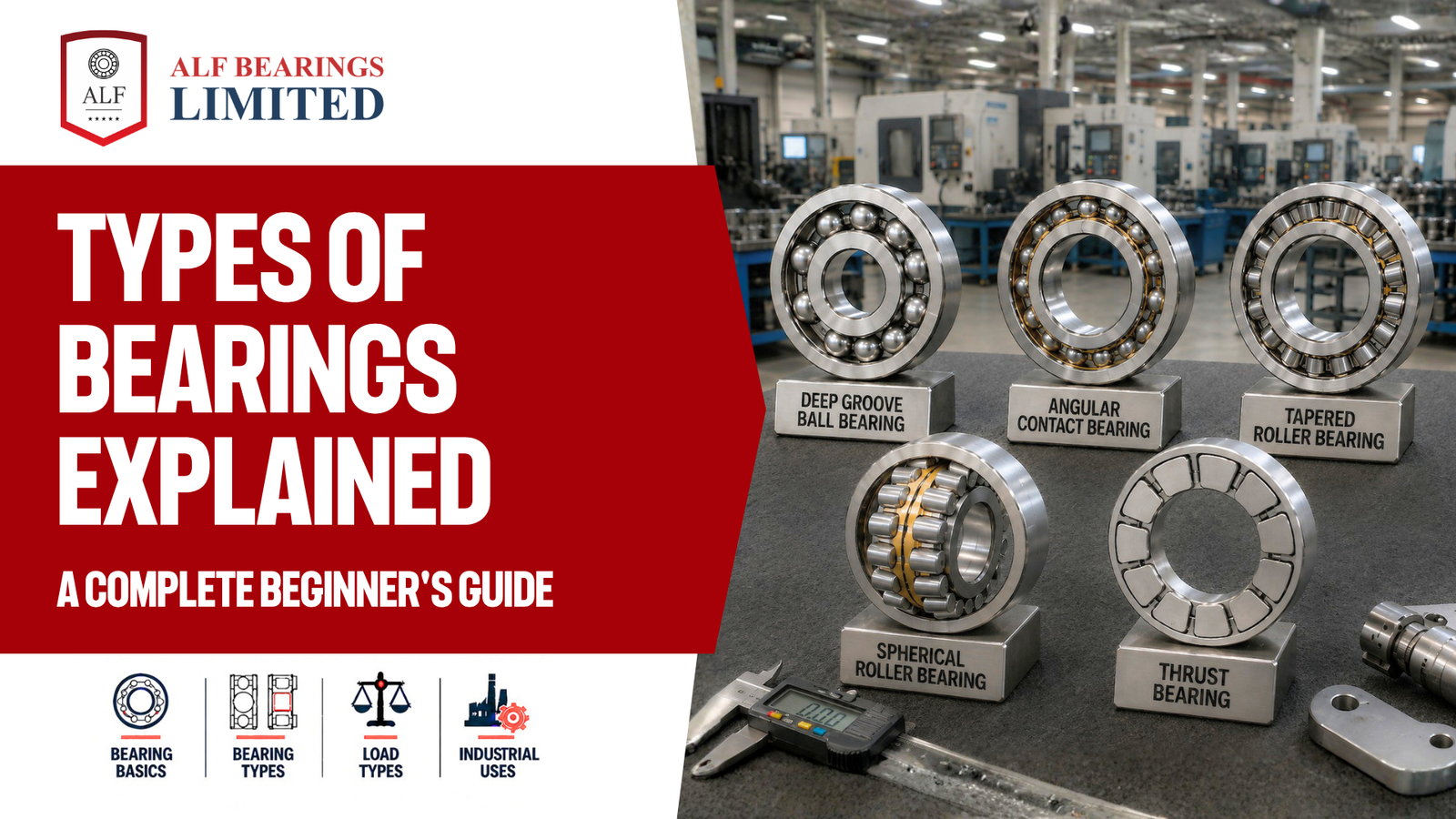
Each bearing is designed to handle a particular combination of load, speed, and operating conditions. The following table provides a quick overview of the most common industrial bearing types and their typical applications.

Bearing TypeBest ForCommon Applications
Deep Groove Ball BearingHigh-speed, light to moderate loadsElectric motors, pumps, fans
Angular Contact BearingCombined radial and axial loadsMachine tools, gearboxes
Tapered Roller BearingHeavy radial and axial loadsAutomotive wheel hubs, conveyors
Spherical Roller BearingHeavy loads with shaft misalignmentMining equipment, crushers, paper mills
Thrust BearingAxial loadsCranes, gear systems, rotary tables

Most Common Types of Bearings

1. Deep Groove Ball Bearing

The deep groove ball bearing is one of the most widely used ball bearings because of its simple design and versatility. It operates efficiently at high speeds while handling radial loads and light axial loads.

These bearings are commonly used in electric motors, pumps, fans, washing machines, and compressors. Their low maintenance requirements and long service life make them suitable for many everyday industrial applications.

2. Angular Contact Bearing

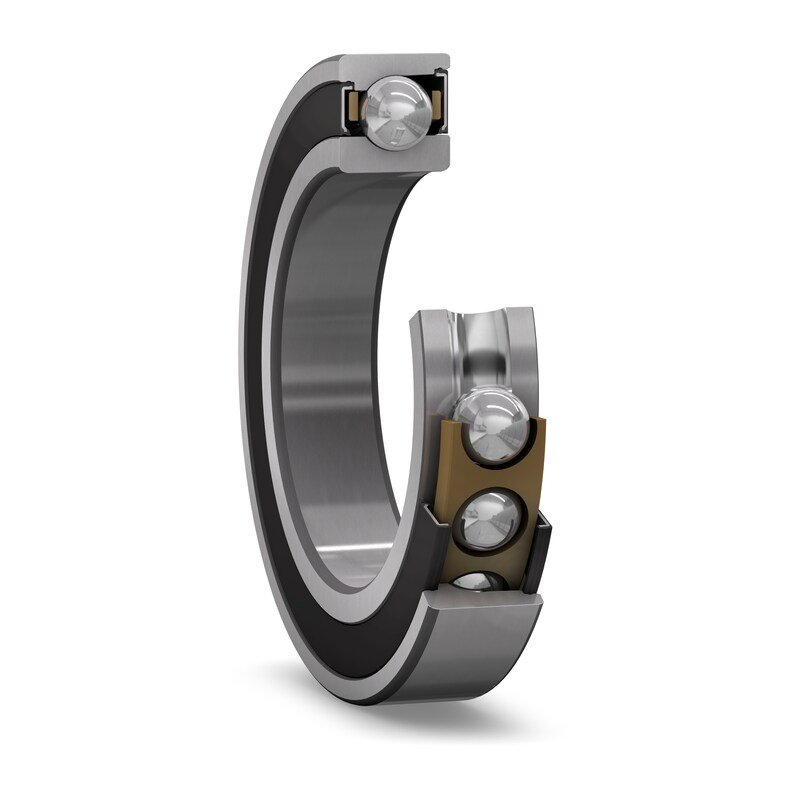
An angular contact bearing is designed for applications where both radial and axial loads are present. The contact angle between the balls and raceways allows it to support higher axial forces than standard ball bearings.

These bearings are often found in machine tool spindles, pumps, compressors, and precision equipment where speed and accuracy are important.

3. Tapered Roller Bearing

Unlike ball bearings, a tapered roller bearing uses tapered rollers to distribute loads over a larger contact area. This design allows it to carry heavy radial loads together with significant axial loads.

It is widely used in automotive wheel hubs, agricultural machinery, construction equipment, and conveyor systems that operate under demanding conditions.

4. Spherical Roller Bearing

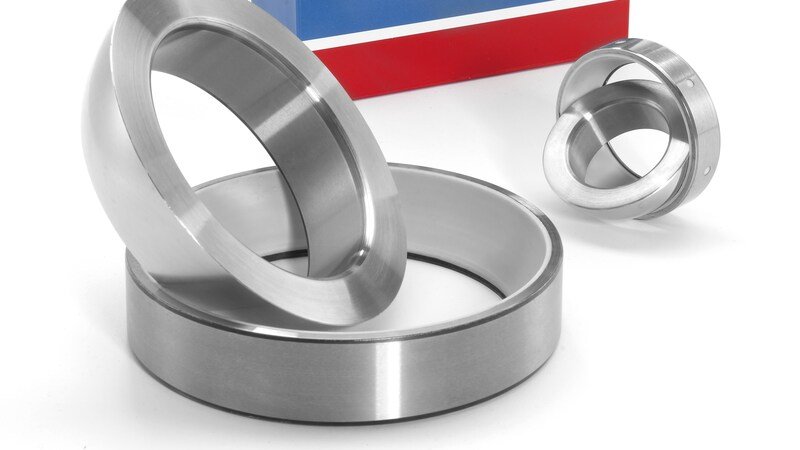
A spherical roller bearing is built for heavy-duty applications. Its self-aligning design allows it to continue operating even when the shaft is slightly misaligned, making it suitable for harsh working environments.

Mining machinery, vibrating screens, crushers, paper mills, and cement plants commonly use these bearings because they can withstand heavy loads and continuous vibration.

5. Thrust Bearing

A thrust bearing is specifically designed to support axial loads rather than radial loads. It controls movement along the shaft while allowing smooth rotational motion.

These bearings are commonly used in cranes, automotive transmissions, rotary tables, and industrial gear assemblies where axial forces are dominant.

Rolling Bearings vs. Roller Bearings: What’s the Difference?

Many beginners confuse rolling bearings with roller bearings, but they are not the same.

Rolling bearings are a broad category that includes both ball bearings and roller bearings. They reduce friction by placing rolling elements between the inner and outer rings.

Roller bearings are one type of rolling bearing that uses cylindrical, tapered, spherical, or needle-shaped rollers instead of balls. Because rollers provide a larger contact area, they are generally better suited for carrying heavier loads.

This difference makes it easier to compare industrial bearing types and choose the right option for a specific application.

How to Choose the Right Bearing

Selecting a bearing involves more than matching dimensions. Before choosing one, consider-

  • The type of load (radial, axial, or combined)
  • Operating speed
  • Shaft alignment
  • Working environment
  • Temperature
  • Maintenance requirements

For example, a deep groove ball bearing performs well in high-speed applications with moderate loads, while a tapered roller bearing is more suitable for equipment carrying heavier combined loads. Similarly, a spherical roller bearing is often the preferred choice when shaft misalignment is expected.

Choosing the right bearing improves efficiency, reduces wear, and helps equipment operate more reliably.

Wrapping It Up

Every bearing is built for a specific purpose, whether it’s handling high speeds, heavy loads, or shaft misalignment. Choosing from the different types of bearings based on your application’s requirements helps improve performance and keeps equipment running efficiently.

FAQs

What are the most common types of bearings?

The most common types of bearings include deep groove ball bearings, angular contact bearings, tapered roller bearings, spherical roller bearings, and thrust bearings. Each is designed for different load and operating requirements.

What is the difference between ball bearings and roller bearings?

Ball bearings use spherical balls to reduce friction and are generally suitable for high-speed applications. Roller bearings use cylindrical or tapered rollers, providing a larger contact area to handle heavier loads.

Which bearing is best for heavy industrial applications?

A spherical roller bearing is widely used in heavy industrial applications because it supports high loads and can accommodate shaft misalignment. A tapered roller bearing is also a good choice for equipment that experiences heavy radial and axial loads.

Which type of bearing is best for high-speed applications?

A deep-groove ball bearing is one of the best options for high-speed applications because it produces low friction and operates smoothly under light to moderate loads. It is commonly used in electric motors, pumps, fans, and other equipment that requires reliable performance at higher rotational speeds.

How do I choose the right bearing for my application?

Choosing the right bearing depends on factors such as load type, operating speed, shaft alignment, working environment, and maintenance requirements. Comparing the different types of bearings and understanding their applications helps ensure the bearing matches the machine’s operating conditions, improving performance and service life.