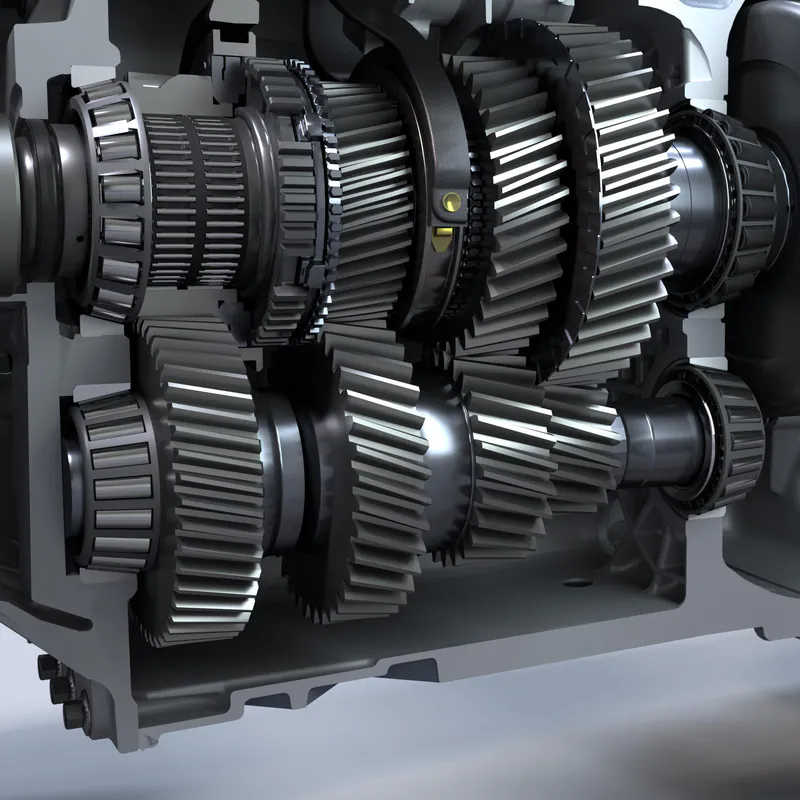

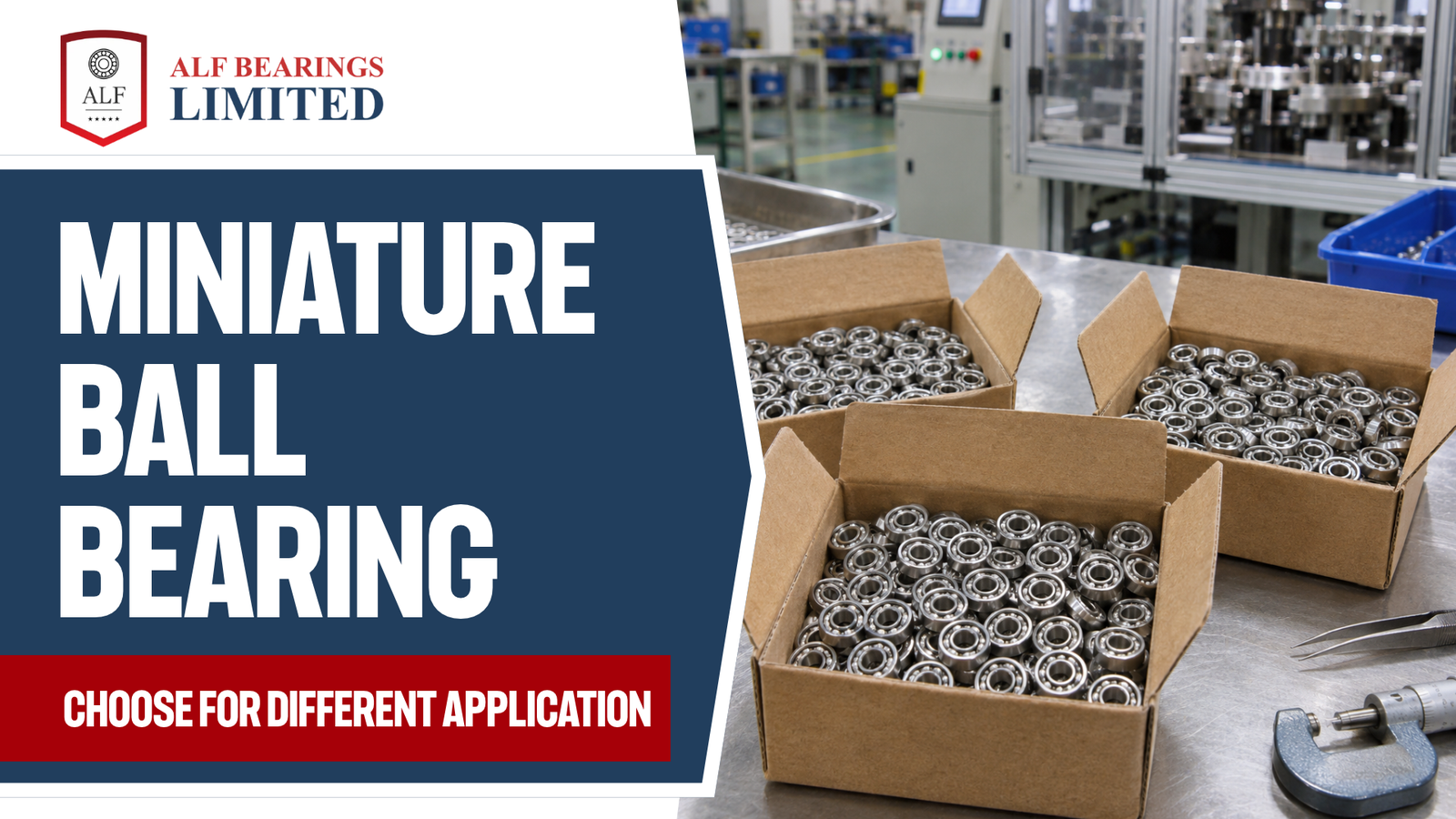
Small machines can be difficult to design when space is limited but smooth shaft rotation is still required. Standard-sized bearings may not fit these compact assemblies. Miniature bearings solve this problem by supporting rotating parts in a small space while reducing friction between moving components. These mini ball bearings are used in small electric motors, medical instruments, precision equipment, and miniature gearboxes. Selecting the right bearing requires checking its dimensions, load capacity, operating speed, and lubrication needs.
What Are Miniature Ball Bearings?
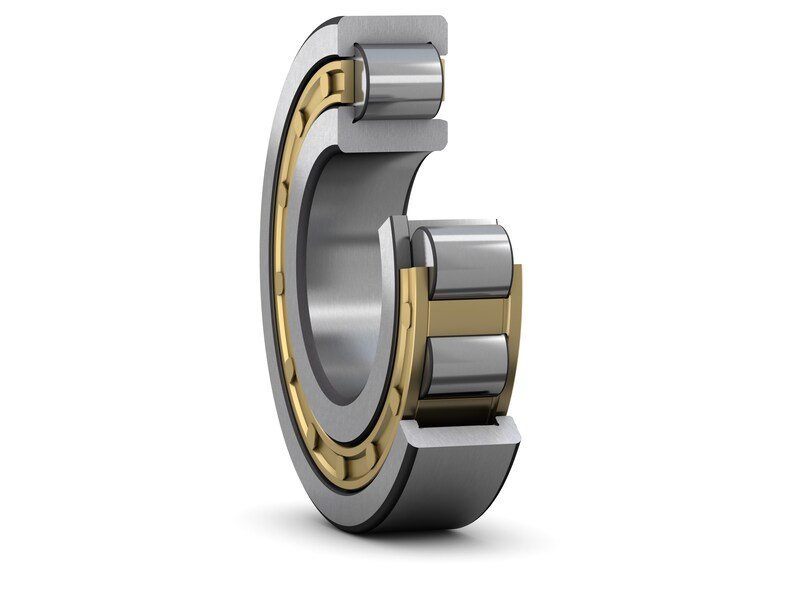
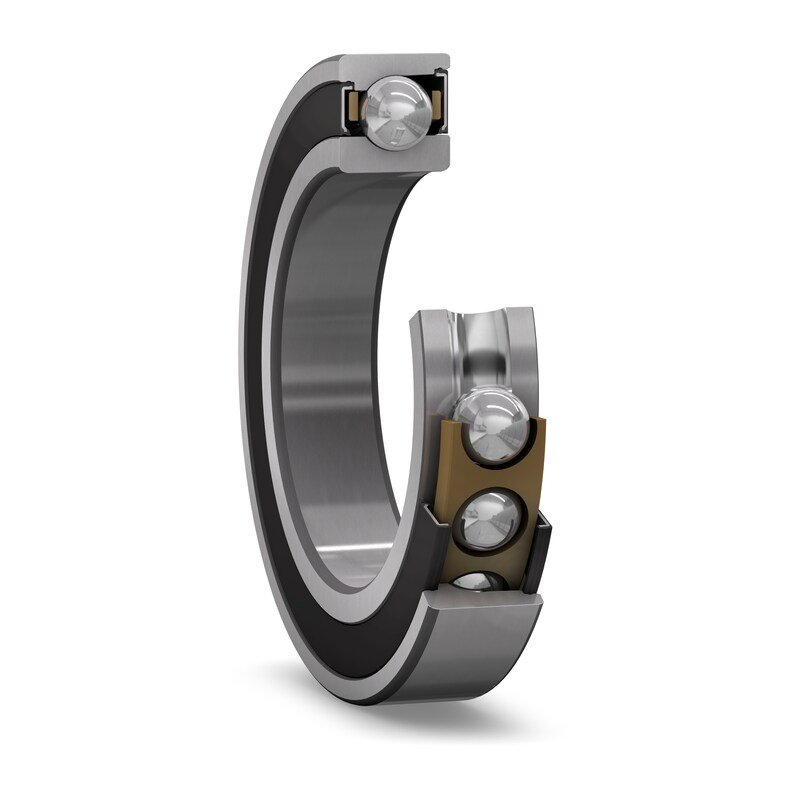
Miniature ball bearings are small mechanical components that support rotating shafts and reduce friction between moving parts. Each bearing has an inner ring, an outer ring, balls, and a cage that keeps the balls apart. As the shaft rotates, the balls roll along the raceways and transfer loads between the rings.
These bearings are useful when a machine has limited space but still needs smooth, controlled movement. The terms micro ball bearings, small bearings, and mini ball bearings are also used for compact bearing products, although their exact size ranges vary by manufacturer.
Miniature Bearing Sizes and Dimensions
The size of a miniature ball bearing is usually given through three measurements.
- Bore diameter: The diameter of the hole that fits onto the shaft.
- Outside diameter: The total diameter of the outer ring.
- Width: The thickness of the bearing measured along the shaft.
All three dimensions must match the machine’s design. A bearing may fit the shaft but still be too wide or too large for the housing.
Types of Miniature Ball Bearings
Miniature bearings come in different designs to suit their installation and operating conditions.
1. Open Bearings
Open bearings have no shields or seals. They are suitable for clean, protected assemblies where lubricant can be applied as required. However, they offer little protection against dust and moisture.
2. Shielded Bearings
Shielded bearings have metal covers that help keep out dust and retain lubricant. They are commonly used in small motors and instruments where moderate protection is sufficient.
3. Sealed Bearings
Sealed bearings use sealing elements to provide better protection against contaminants and moisture. The seals can add friction, so the bearing’s speed rating and seal design should suit the application.
4. Flanged Bearings
Flanged bearings have an extended outer ring that helps position the bearing in its housing. This can make installation easier when the assembly has limited space or lacks a separate locating shoulder.
Materials Used in Miniature Bearings
The bearing material affects its resistance to wear, corrosion, and operating stress. When selecting miniature bearings, the material should match the machine’s working conditions.
Chrome steel is used in many standard miniature bearings because of its hardness and wear resistance. It is suitable for applications where exposure to moisture and corrosive substances is limited.
Stainless steel offers better corrosion resistance and may suit equipment used in humid environments or exposed to moisture. The actual performance depends on the steel grade and bearing design.
Ceramic and hybrid bearings are used for specialised requirements. Hybrid bearings combine ceramic balls with steel rings and may suit applications that need electrical insulation or particular high-speed performance. They are generally more specialised than standard steel bearings.
Where Are Miniature Ball Bearings Used?
These compact bearings are found in equipment that needs controlled rotation within a small space.
- Small electric motors support rotating shafts in appliances and electronic equipment.
- Medical and dental devices use them to support smooth movement in compact instruments.
- Precision instruments use them in measuring devices and other equipment requiring accurate movement.
- Robotics and automation use them in small actuators, positioning systems, and robotic assemblies.
- Miniature gearboxes and models use them to support shafts and gears in compact drive systems.
The requirements vary by application. A high-speed motor may need a different lubricant and seal arrangement from a measuring instrument that needs low starting torque and consistent movement.
How to Choose the Right Miniature Bearing
Check the dimensions
Measure the shaft diameter, housing bore, and available width. Compare these measurements with the manufacturer’s specifications, and check the required fits and tolerances.
Check the load and speed.
Confirm the radial and axial loads the bearing must support. Its rated speed must also suit the machine. Excessive loads or speeds can increase heat, wear, and the risk of early failure.
Choose the material.
Chrome steel suits many standard applications, while stainless steel may be preferable where corrosion is a concern. Ceramic or hybrid designs should be considered when the operating requirements justify them.
Select the right seal.
Open bearings suit clean, protected environments. Shielded and sealed designs offer different levels of protection against contaminants. Contact seals can create additional friction, so consider both protection and operating speed.
Check lubrication and installation
Use a lubricant suited to the bearing’s speed, temperature, and working environment. During mounting, apply force to the ring being fitted rather than transferring it through the balls. Incorrect mounting, misalignment, or excessive force can damage the raceways and shorten bearing life.
Wrapping It Up
Miniature ball bearings support rotating parts in small motors, instruments, medical devices, and compact drive systems. The right choice depends on the bearing dimensions, load, speed, material, seal type, and lubrication. Check the manufacturer’s specifications before ordering, as bearings with similar dimensions may have different performance ratings.
FAQs
They support rotating shafts in compact equipment such as small motors, precision instruments, medical devices, and miniature gearboxes.
The main measurements are bore diameter, outside diameter, and width. These are usually listed in millimetres or inches.
Shielded bearings use metal covers to limit dust entry, while sealed bearings generally provide better protection against dust and moisture. Their friction and speed characteristics can differ.
Chrome steel suits many standard uses. Stainless steel is useful where corrosion resistance is needed, while ceramic and hybrid bearings serve more specialized applications.
Check the required dimensions, load, speed, operating temperature, material, seal type, lubrication, and mounting arrangement. Confirm the final selection against the manufacturer’s specifications.