
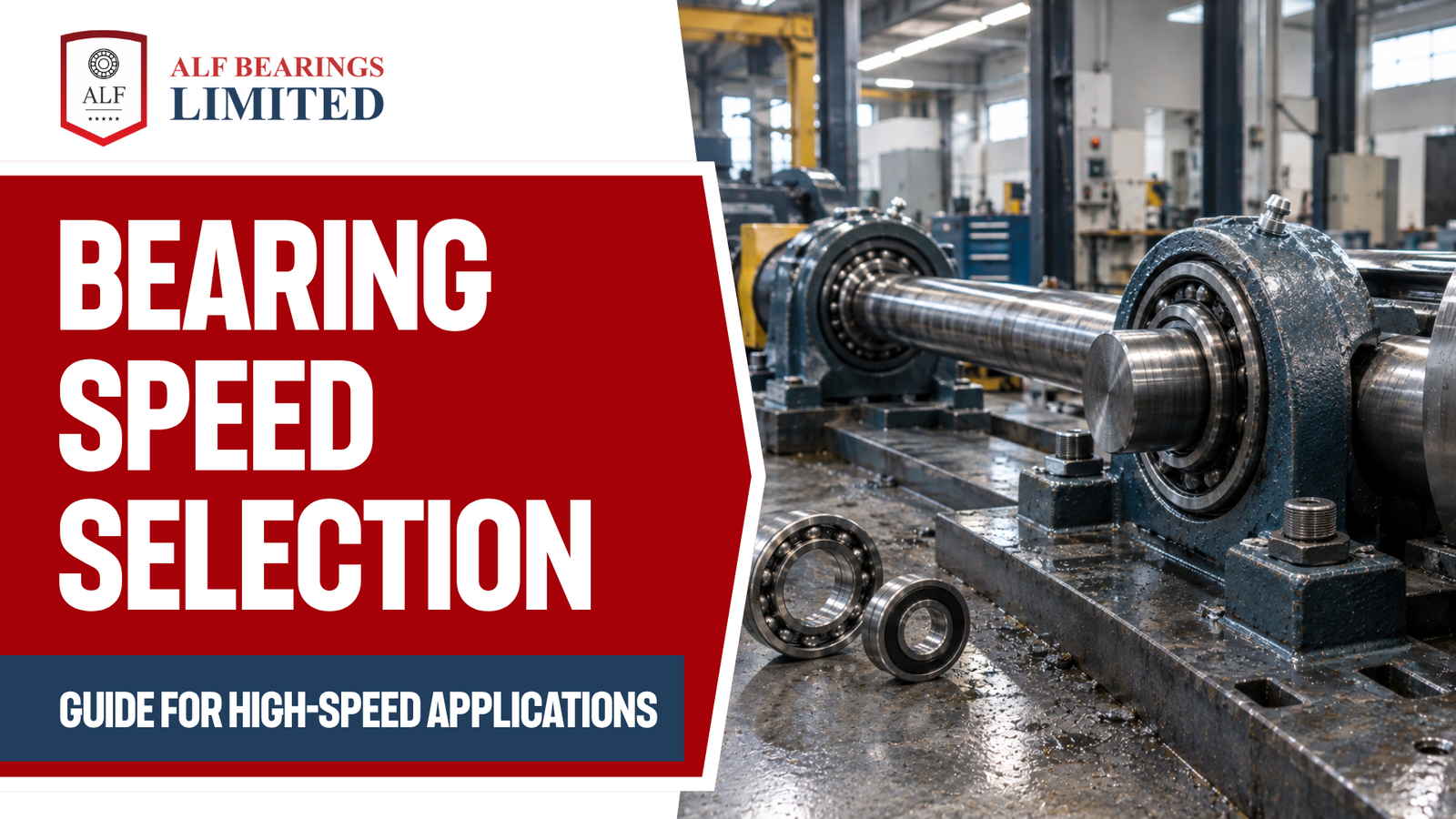
How Operating Speed Affects Bearing Selection

11 SEPTEMBER 2026

How do you know if a bearing can handle your machine’s speed? The machine speed (RPM) is an important part of the decision, but it is not the only factor. Bearing type, load, lubrication, temperature, and operating conditions can all affect how a bearing performs at a given speed.

A bearing selected only by its RPM rating may not perform well once it is installed in a real machine. Good bearing selection means checking speed alongside the other conditions that affect bearing performance.

Why Operating Speed Matters in Bearing Selection

As machine speed increases, the bearing rotates faster and generates more frictional heat. If the heat is not managed properly, it can affect the lubricant, cage, seals, and other bearing components, which may also reduce bearing life.

Manufacturers provide a speed rating to indicate the conditions under which a bearing can operate safely. Manufacturers provide speed ratings to indicate the conditions under which a bearing can operate safely. Reference speed mainly relates to thermal conditions, while limiting speed is associated with mechanical restrictions. Both values should be considered along with the actual operating conditions of the machine. 

1. Check the Machine’s Actual RPM

Start with the normal and maximum RPM of the machine. If equipment operates at different speeds, the highest expected operating speed should also be considered during bearing selection.

For example, a bearing used in a motor running at 1,500 RPM may not be suitable for another application operating at 3,000 RPM, even if the two machines have similar loads.

Also consider acceleration, variable-speed operation, and occasional speed increases. The bearing needs to perform safely across the machine’s actual operating range rather than at one fixed RPM.

2. Compare Speed With Bearing Load

Speed should not be considered separately from bearing load capacity. A bearing running at high speed with a light load will experience different conditions from one carrying a heavy load at the same RPM.

Higher loads can increase friction and heat, which may reduce the practical speed capability of the bearing. Check the bearing’s load capacity along with its speed rating before making a final choice.

The bearing type also matters. Some high-speed bearings are designed for applications where low friction and controlled heat generation are priorities, while other designs are better suited to heavy loads.

3. Match Lubrication and Temperature to Machine Speed

Lubrication becomes more important as speed increases. Poor lubrication can increase friction and temperature, while too much grease can also create additional heat.

The lubricant, quantity, and lubrication method should match the bearing and operating conditions. In applications where heat removal is important, oil lubrication may be considered because it can help remove heat from the bearing.

Temperature should also be monitored after installation. If the bearing becomes unusually hot at the normal operating speed, check lubrication, load, alignment, cooling, and bearing condition before assuming that the RPM alone is responsible.

4. Choose the Right Bearing for High-Speed Operation

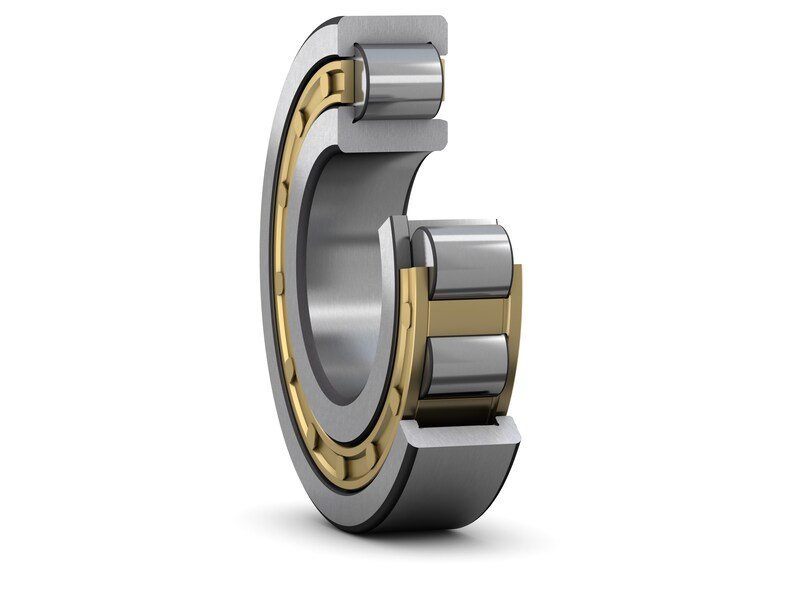
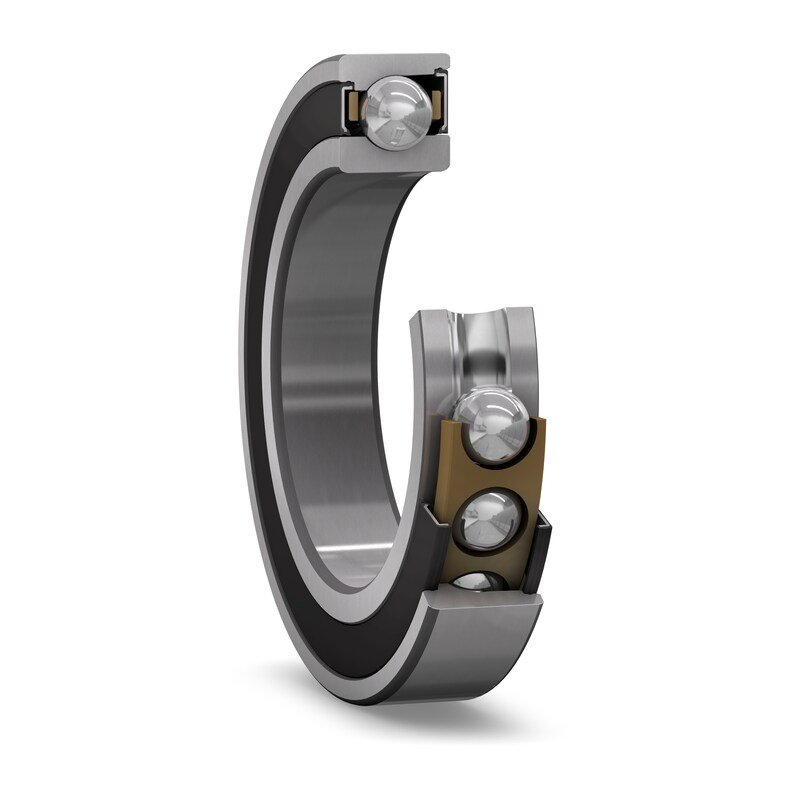
Not every bearing design has the same speed capability. Ball bearings, for example, are commonly used in applications where smooth operation and higher speeds are required. Certain angular contact and cylindrical roller bearing designs are also used in high-speed precision applications.

For very demanding applications, manufacturers may offer special bearing designs, cages, materials, and lubrication arrangements to support higher speeds.

However, choosing a bearing with a higher published RPM rating does not automatically make it suitable for every high-speed machine. The complete application needs to be checked against the manufacturer’s specifications.

5. Consider Bearing Life at the Required Speed

High RPM can affect bearing life when it leads to excessive heat, lubricant deterioration, or other operating problems. This does not mean that every high-speed application will have a short service life. The effect depends on the bearing and its operating conditions. Before finalizing a bearing, check these things.

  • Maximum machine RPM
  • Bearing speed rating
  • Bearing load capacity
  • Lubrication method
  • Expected operating temperature
  • Bearing type and size
  • Alignment and mounting conditions

Taking these factors together gives engineers a more practical basis for bearing selection than looking at RPM alone.

Conclusion

Operating speed can have a direct effect on bearing performance, but RPM is only one part of the selection process. Matching the bearing to the machine’s speed, load, lubrication, and temperature requirements can help control heat, reduce premature wear, and support longer bearing life.

FAQs

What is a bearing speed rating?

A speed rating indicates how fast a bearing can operate under specified conditions. It should be compared with the machine’s actual operating speed and other application requirements.

What happens if a bearing runs above its RPM limit?

Running beyond the recommended RPM limits can increase friction, heat, vibration, and mechanical stress. It may shorten bearing life or cause premature failure.

Are ball bearings suitable for high-speed applications?

Many ball bearings are suitable for high-speed applications, particularly where loads are light to moderate. The specific bearing’s speed rating and operating conditions should always be checked before selection.

Does higher RPM reduce bearing life?

Higher RPM can affect bearing life when it causes excessive heat, poor lubrication, or other operating problems. Proper bearing selection and lubrication can help manage these effects.

What factors should be checked before bearing selection?

Engineers should check machine speed, load, bearing speed rating, lubrication, temperature, bearing type, alignment, and operating environment. These factors together provide a better basis for selecting the right bearing.
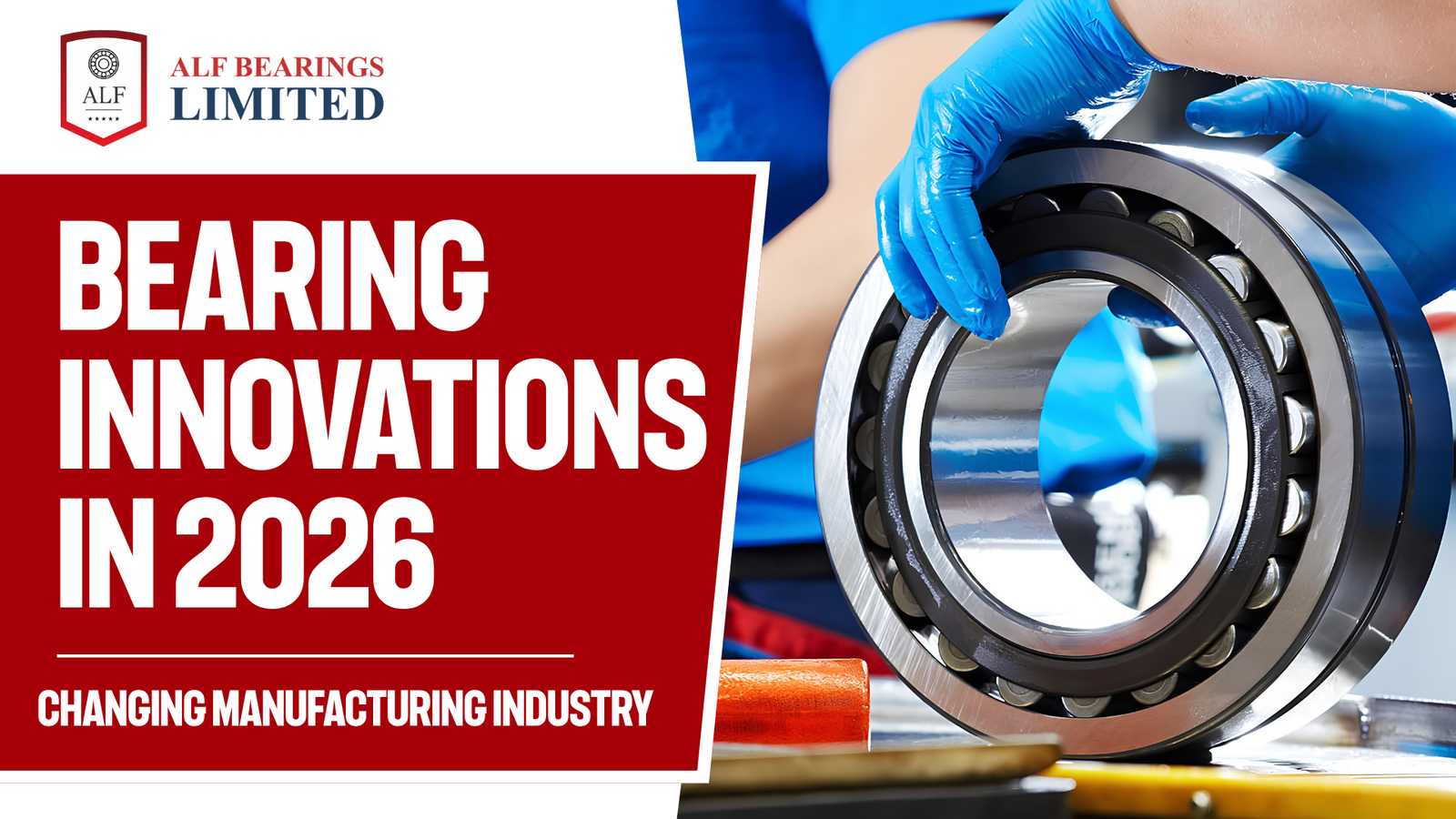
Top Bearing Innovations in Manufacturing 2026

21 AUGUST 2026

Bearings are used in machines that operate for long hours, carry heavy loads, or run at high speeds. As factories adopt faster equipment, electric motors, and automated production lines, bearing design is changing to meet these demands. Bearing Innovations and High-Speed Bearings are now focused not only on load capacity but also on lower friction, better heat control, longer service life, and machine condition monitoring.

A 2026 industry report valued the global bearing market at about USD 143.25 billion in 2025, showing the scale of demand for bearing products across industrial and automotive applications.

The main changes include bearing materials, sensor systems, internal designs, and monitoring methods. These developments are giving manufacturers more choices for machines that need higher speed, better efficiency, or closer maintenance control. Machine bearings are also being designed to meet these changing requirements.

What Is New in Bearing Technology

Bearing design has moved beyond basic load support. Engineers are also looking at how bearings behave under high speed, electrical loads, heat, and continuous operation. These changes are part of manufacturing innovation, where equipment needs to run efficiently while meeting higher production demands.

Some recent developments focus on reducing friction and weight, while others add sensors or improve the way a bearing handles demanding conditions. This gives manufacturers more options when selecting machine bearings for modern production equipment.

Faster Machines Need Better Bearings

Machine tools, electric motors, pumps, compressors, and automated equipment can run at high speeds, where friction and heat can affect machine bearings and nearby parts.

New designs use improved steels, cages, seals, lubrication, and ceramic rolling elements to handle these conditions. High-speed bearings are designed for such applications, with features that help manage friction and heat during fast rotation.

The right bearing should match the machine’s speed, load, temperature, and lubrication needs.

Better Monitoring of Machine Condition

A bearing can show early signs of a problem through changes in temperature, vibration, speed, or load. Sensor bearings can track these changes during machine operation and send the data to a monitoring system. 

Recent research has also tested bearings with built-in sensing functions, including a 2026 study that reported over 98% fault-diagnosis accuracy.

Connected Bearings for Maintenance

The information collected from sensors can be linked to wider factory monitoring systems. IoT Smart Bearings can be part of this setup, allowing bearing data to be reviewed along with other machine information.

Maintenance teams can use this data to

  • Check bearing condition while the machine is running.
  • Track changes in temperature and vibration over time.
  • Plan inspections based on actual machine condition.
  • Investigate possible problems before they lead to a machine stoppage.

The system still depends on accurate sensors and proper data analysis. A warning should be checked by the maintenance team before any repair or bearing replacement is planned.

New Materials for Demanding Applications

Ceramic rolling elements, improved steels, coatings, and other material treatments are being used where standard steel bearings may have limits. Hybrid ceramic bearings combine steel rings with ceramic balls, making them suitable for some high-speed and electric motor applications. 

Ceramic balls are lighter and provide electrical insulation, while newer bearing innovations are also focused on reducing heat, wear, and friction. A 2026 design achieved speeds of up to 30,000 rpm under grease lubrication. These bearings cost more than standard designs, so the choice should match the machine’s actual requirements.

Changes Inside the Bearing

Changes to cages, seals, raceways, and other internal parts can improve bearing performance under speed and load. New designs aim to reduce friction while maintaining protection, and recent steel research is focused on improving resistance to rolling-contact fatigue. These changes can help control heat, noise, wear, and bearing life during continuous operation.

How Bearing Materials and Designs Are Changing

Manufacturers are improving bearing steels, coatings, cages, seals, and internal designs to increase resistance to wear, heat, contamination, and vibration. New cage designs and surface treatments are also being tested for high-speed and demanding applications.

For manufacturers, these changes can support many practical needs, like

  1. Lower friction and energy loss.
  2. Better performance at high speeds.
  3. More information about bearing condition.
  4. Longer intervals between inspections in suitable applications.
  5. Better protection in electric and high-temperature equipment.

What Manufacturers Need to Consider

New bearing technology can offer useful choices, but the most advanced option is not always the best one. Manufacturers need to look at the actual machine and its working conditions before selecting a bearing.

Important factors like,

  • Operating speed and load.
  • Temperature and lubrication method.
  • Exposure to dust, moisture, or chemicals.
  • Electrical conditions in motor applications.
  • Available installation space.
  • Required maintenance schedule.
  • Need for condition monitoring.

The right combination can help a bearing perform reliably without adding unnecessary cost or complexity.

Wrapping It Up

The right bearing depends on the machine, its working conditions, and the type of work it performs. New designs give manufacturers more choices, but proper selection remains more important than choosing the newest option. For manufacturers, selecting the right bearing for the actual machine and working conditions remains the most important step.

FAQs

1. What factors can affect bearing service life?

Load, speed, lubrication, operating temperature, installation, alignment, contamination, and maintenance practices can all affect bearing service life.

2. How can manufacturers reduce the risk of bearing failure?

Regular inspection, correct lubrication, proper installation, and timely replacement of worn parts can help reduce bearing-related problems.

3. What is the purpose of bearing seals?

Seals help keep dust, moisture, and other contaminants away from the rolling elements and lubricant.

4. Why is lubrication important for bearings?

Lubrication reduces contact between moving surfaces and helps control friction, heat, and wear during operation.

5. Can the same bearing be used in different machines?

Not always. Bearing size, load capacity, speed, mounting arrangement, temperature, and operating environment need to match the machine.

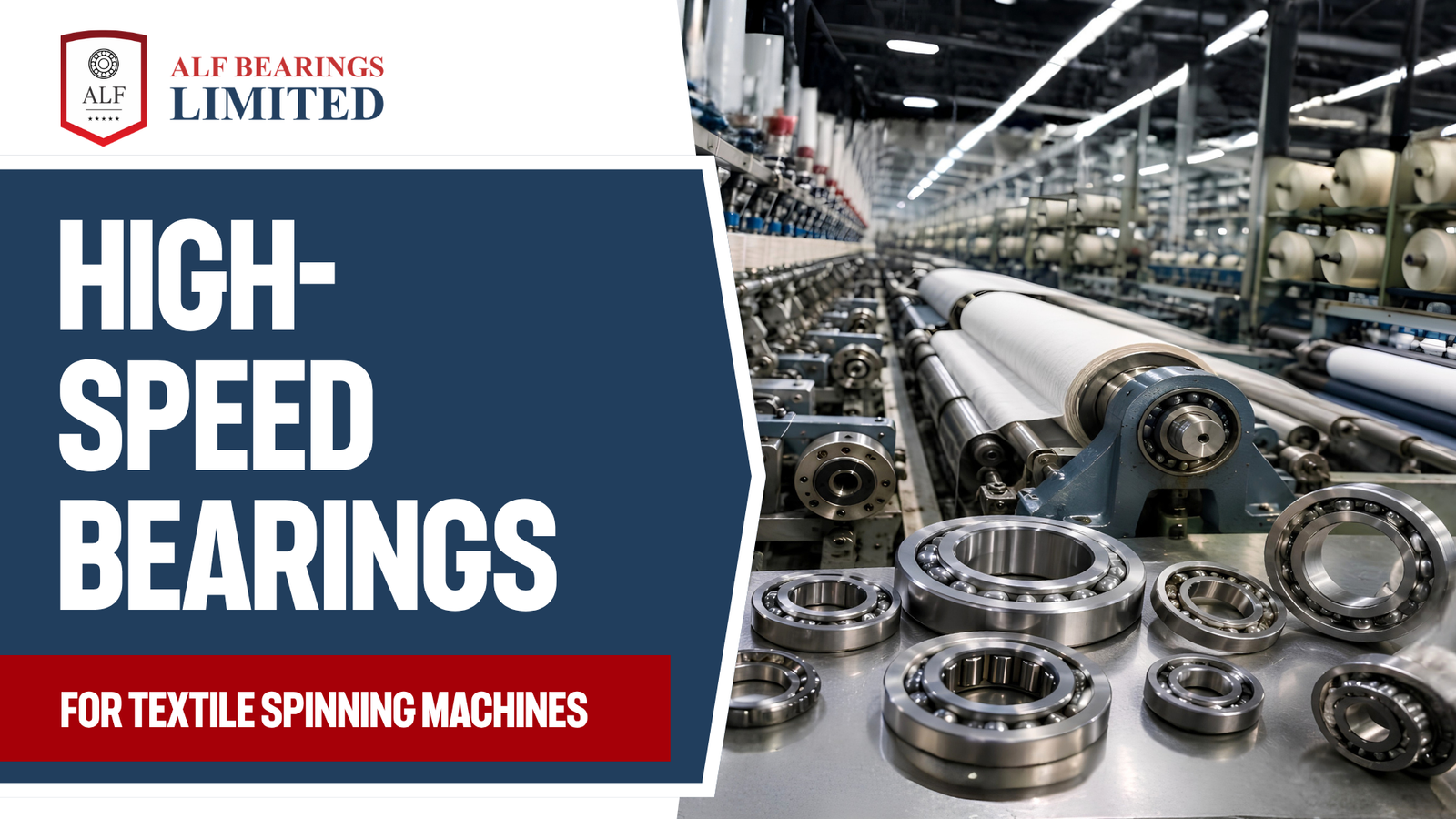
High Speed Bearings for Textile Machines

18 AUGUST 2026

Textile spinning machines work at high speeds and need bearings that can maintain smooth movement for long production cycles. A small increase in friction, heat, vibration, or contamination can affect machine performance and bearing life. For this reason, textile spinning machine bearings need to be selected according to speed, load, temperature, lubrication, and operating conditions.

Bearings used in spinning and textile equipment must also deal with lint, dust, moisture, and regular machine movement. Sealed designs, suitable grease, accurate internal clearance, and proper mounting can help maintain stable operation.

Why Bearings Matter in Textile Spinning Machines

A spinning machine contains many rotating parts that need smooth and controlled movement. Bearings support shafts and other moving components while reducing friction between surfaces.

In high-speed equipment, excess heat and friction can affect bearing performance during long operating hours. Low-friction bearings can reduce resistance during rotation and help control heat generated during operation.

Bearing condition can also affect machine reliability, particularly when a production line operates with little downtime. The right bearing can help reduce unplanned stoppages and the need for frequent maintenance.

What Makes a Bearing Suitable for Textile Machinery?

Textile machinery has working conditions that are different from many general industrial applications. Fine fibers and dust can enter machine areas, while moisture and chemicals may also be present in some textile processes. Proper bearing selection can support smooth machine operation and reduce friction during long working hours. These machine components should be chosen according to the following requirements:

  • Low friction to support smooth movement at high rotational speeds.
  • Proper sealing to reduce the entry of lint, dust, and other contaminants.
  • Suitable grease that can handle the operating temperature and speed.
  • Accurate internal clearance for stable operation.
  • Good resistance to heat, moisture, and chemicals where required.
  • The ability to accommodate a certain amount of shaft or housing misalignment.

These factors should be checked against the machine manufacturer’s requirements before selecting a bearing.

Bearings Used in Textile Spinning Equipment

Ball bearings are widely used in textile machinery. Deep groove ball bearings are suitable for many applications where smooth rotation and support for radial and axial loads are required. Self-aligning ball bearings can be useful where shaft deflection or alignment variation needs to be accommodated.

Needle roller bearings are also used in textile equipment. They can provide a compact bearing arrangement where available installation space is limited. Textile machinery applications can include spinning frames, draw frames, weaving machines, embroidery equipment, and other processing machines.

The correct bearing type depends on the shaft size, speed, load, available space, alignment, lubrication method, and surrounding conditions. An industrial bearing supplier can provide suitable bearing options based on these machine requirements.

Importance of Precision Engineering

Precision Engineering is important when bearings are used in high-speed textile machinery. Accurate raceways, proper internal clearance, balanced components, and suitable surface finishes can affect vibration, temperature, and running smoothness.

A bearing with unsuitable clearance may generate excess heat or vibration. Incorrect installation can also place additional force on the bearing and shorten its service life.

How to Choose the Right Textile Bearing

When selecting textile components and bearings for spinning machinery, start with the machine’s operating conditions. Check the required speed. radial and axial loads, shaft dimensions, temperature, lubrication, and contamination level.

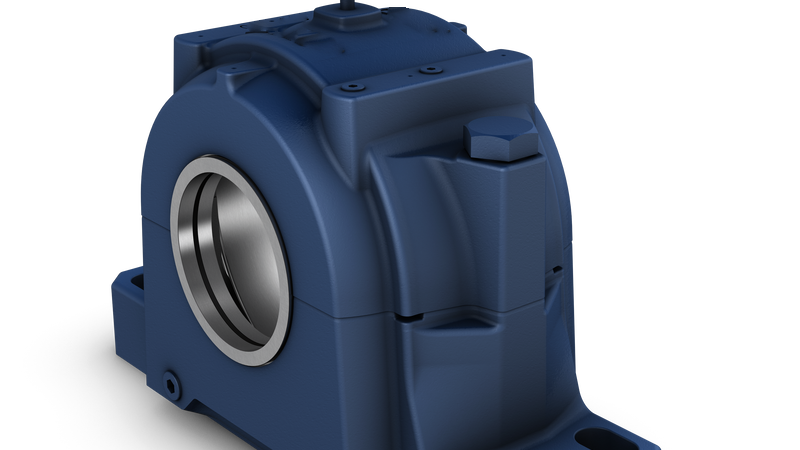
The installation method should also be considered. Some textile machines use housed bearing units, while others require individual bearings fitted directly into the machine arrangement.

An industrial bearing supplier should be able to provide dimensional information, speed ratings, load ratings, sealing options, lubrication details, and application guidance. This information helps maintenance teams and engineers select a bearing that matches the machine rather than choosing only by size.

Maintenance of Textile Machine Bearings

Regular inspection can help identify bearing problems before they cause a machine stoppage. Unusual noise, increased vibration, rising temperature, or changes in machine movement may indicate a bearing or lubrication problem.

Clean working conditions also matter. Textile lint and dust should be kept away from exposed bearing areas, while seals should be checked for damage.

Lubrication should follow the bearing and machine manufacturer’s recommendations. Too little grease can increase wear, while excessive grease can increase operating temperature, particularly at high speeds.

Wrapping It Up

High-speed textile machinery needs bearings that can handle continuous rotation, low friction, contamination, heat, and alignment changes. The bearing should match the machine speed, load, lubrication, and working conditions. Regular cleaning, proper lubrication, and timely inspection can also help prevent bearing problems and keep the machine running properly.

FAQs

1. What type of bearings are used in textile machines?

Ball bearings and needle roller bearings are commonly used, depending on the machine and application.

2. Why are low-friction bearings used in spinning machines?

They reduce resistance during rotation and can support efficient machine operation.

3. How does textile lint affect bearings?

Lint and dust can enter the bearing area, contaminate the lubricant, and increase wear if the bearing is not properly sealed.

4. What should be checked before selecting a textile bearing?

Check speed, load, shaft size, temperature, lubrication, sealing, alignment, and available installation space.

5. How can bearing life be improved?

Correct installation, suitable lubrication, clean working conditions, regular inspection, and using the correct bearing specification can help extend bearing service life.