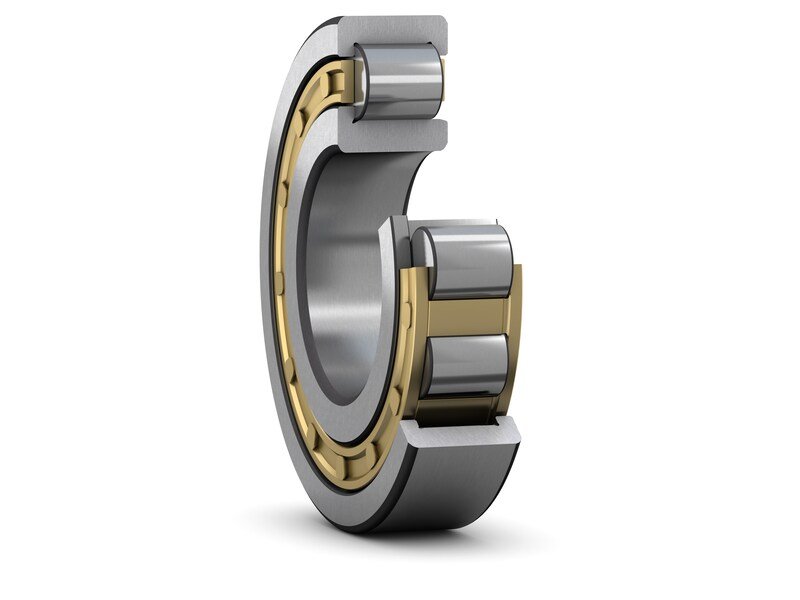
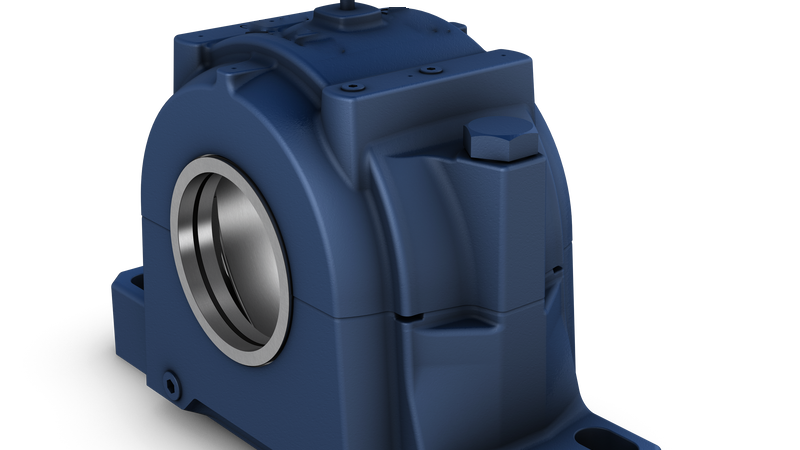
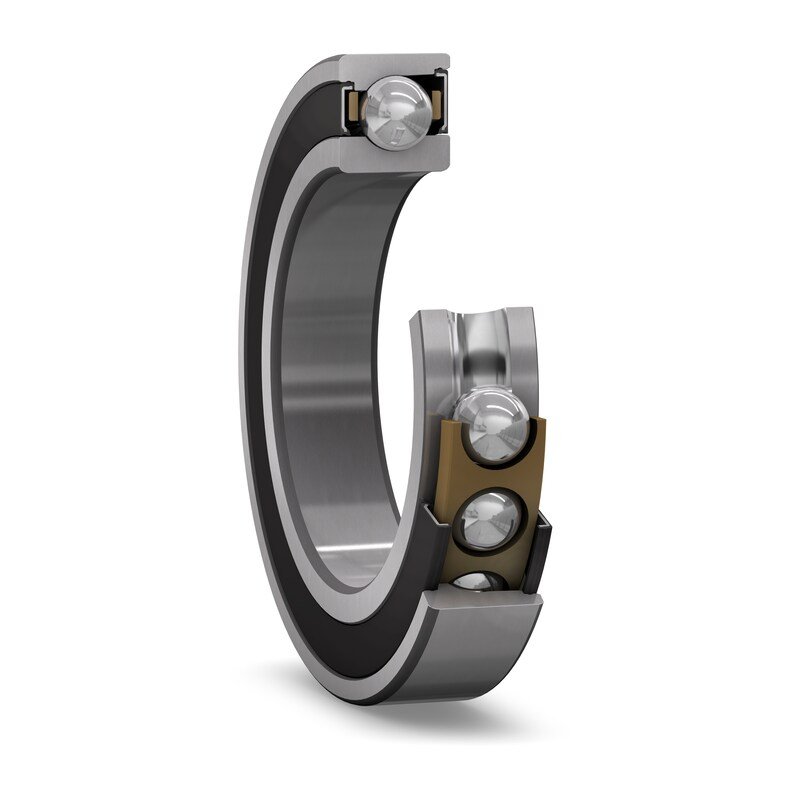
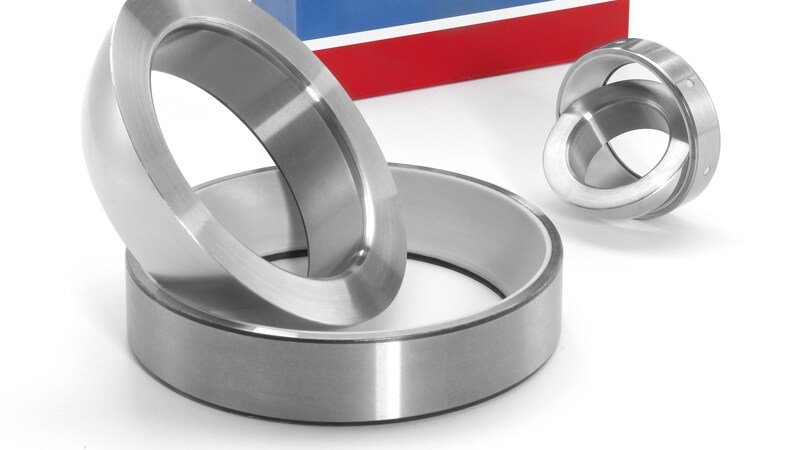
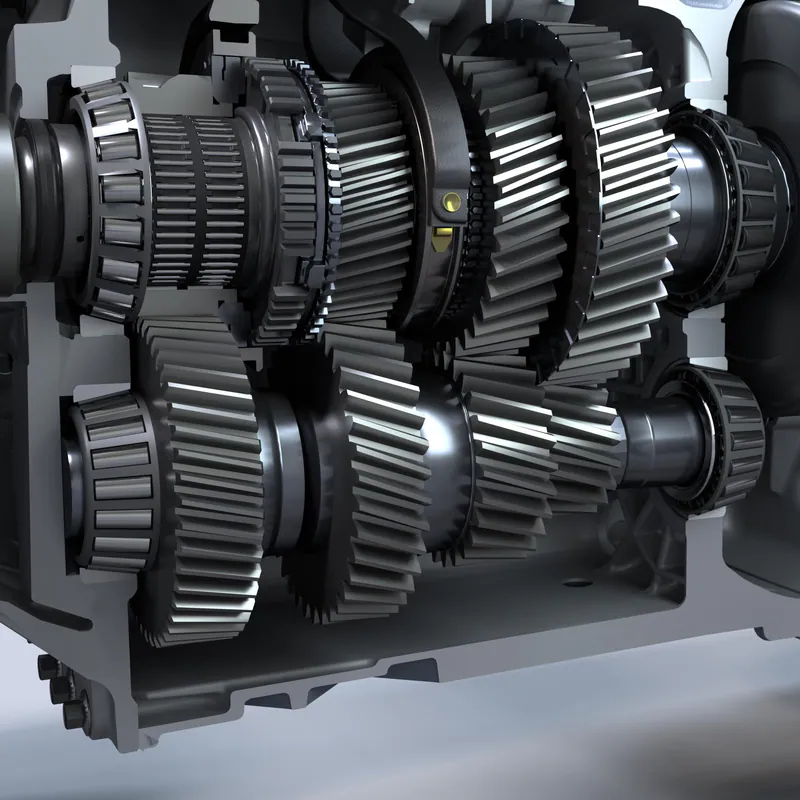

Bearings work through rolling and sliding contact between their internal parts. Without proper lubrication, these surfaces can experience higher friction, heat, and wear. Bearing Lubrication creates a thin film between the contacting surfaces, helping the bearing run with less resistance and protecting it during operation. The two main choices are grease and oil, and the right option depends on speed, load, temperature, bearing type, and the surrounding conditions.
Lubrication involves choosing the right lubricant, quantity, viscosity, application method, and replacement interval. Proper Bearing Lubrication can support friction reduction, while too little lubricant can increase wear and too much can raise friction and temperature.
Why Bearings Need Lubrication
The main job of a lubricant is to keep the rolling and sliding surfaces from making direct contact. A suitable lubricant forms a film between the surfaces, which helps reduce wear and friction. Proper lubrication can also help with:
- Friction Reduction between moving surfaces.
- Heat Dissipation during bearing operation.
- Protection against rust and corrosion.
- Protection from dust and other contaminants.
- Reduction of surface wear.
- Longer service life when the correct lubricant and quantity are used.
Lubrication also affects the operating temperature of a bearing. The correct amount can help control heat, while excessive lubricant can create additional resistance and raise temperature.
Grease and Oil: What Is the Difference?
Grease Lubrication is used in a large share of rolling-bearing applications because grease stays at the bearing and does not require a continuous supply system. It can also provide some protection against external contamination. Oil, on the other hand, flows through the bearing and can carry heat away more effectively.
| Factor | Grease | Oil |
| High-speed operation | Suitable for many applications | Generally better for higher speeds |
| Cooling | Limited | Better heat removal |
| Leakage | Easier to contain | Requires proper sealing |
| Maintenance | Usually simpler | May require circulation or filtration |
| Contamination | Can help keep contaminants out | Can be filtered during circulation |
The choice should be based on the bearing and machine rather than assuming one lubricant is always better.
How to Choose Bearing Grease
There are several Bearing Grease Types, each with different properties. Grease contains base oil, a thickener, and additives that support lubrication, rust protection, oxidation resistance, and wear control. When selecting grease, the following factors should be checked:
- Bearing speed.
- Operating temperature.
- Load level.
- Water or moisture exposure.
- Required relubrication interval.
- Compatibility with seals and other materials.
- Required noise and running characteristics.
Grease consistency is also important. NLGI grades describe how firm or soft a grease is, while the viscosity of its base oil affects the lubricating film. A higher NLGI number does not automatically mean better bearing performance; the grade needs to suit the application.
When Is Lubricating Oil a Better Choice?
Lubricating Oil is suitable for many high-speed or high-temperature bearings, especially where cooling is required. It can also be circulated, filtered, and cooled during operation. The correct viscosity is important: oil that is too thin may not provide enough protection, while oil that is too thick can increase resistance and heat. Mineral or synthetic oil should be selected based on speed, load, temperature, and operating conditions.
What Are the Main Lubrication Methods?
Different Lubrication Methods are used depending on the machine and bearing arrangement.
Grease Lubrication
Grease is packed into the bearing or housing and remains near the contact surfaces. It is suitable for many general industrial applications and can simplify the surrounding bearing arrangement.
Oil Bath
The bearing runs with part of its lower rolling element immersed in oil. This method is used in applications where moderate speed and simple oil circulation are suitable.
Oil Splash
Oil is distributed by nearby rotating parts such as gears or rings. This can supply lubricant to bearings without placing the bearing directly in an oil bath.
Oil Circulation
Oil is continuously supplied, collected, filtered, and returned to the bearing. This method is useful when heat removal or continuous oil replacement is needed, particularly in higher-speed applications.
Oil-Air Lubrication
Small amounts of oil are delivered to the bearing with a controlled air supply, making this method suitable for high-speed applications. The lubrication method should match the bearing speed, load, temperature, and machine arrangement.
Why Too Much Grease Can Cause Problems
Adding more grease does not necessarily improve lubrication. Excess grease can increase churning, which raises friction and temperature. It can also place extra stress on seals and may lead to lubricant leakage.
The correct grease quantity depends on bearing size, housing space, speed, grease properties, and temperature. For some standard applications, a lower fill is used as bearing speed approaches its limiting speed.
For this reason, grease should be added according to the bearing or machine manufacturer’s instructions rather than filling the entire housing.
How to Maintain Proper Bearing Lubrication
Use the recommended lubricant and check compatibility before mixing greases or changing oil types. Maintenance teams should also check lubricant condition, leakage, contamination, temperature, and signs of bearing wear.
- Unusual bearing noise.
- Higher-than-normal operating temperature.
- Grease leakage or discoloration.
- Changes in vibration.
- Signs of contamination.
- Lubricant deterioration.
Relubrication should follow the recommended interval for the bearing and operating conditions. Sealed or shielded bearings that are supplied with lubricant for their service life should not automatically be regreased.
Wrapping It up
Good lubrication starts with choosing the right lubricant, using the correct quantity, and applying it in a way that suits the bearing and machine. Grease works well for many applications, while oil can be better suited to higher speeds and situations where cooling is needed. Checking speed, load, temperature, and operating conditions before selecting a lubrication system can help keep the bearing running properly and reduce unnecessary wear.
FAQs
Different greases should not be mixed unless their compatibility has been confirmed. Mixing incompatible products can affect consistency and lubrication performance.
The NLGI grade indicates the consistency or firmness of grease. It does not by itself determine whether a grease is suitable for a particular bearing.
The timing depends on the bearing, lubricant, operating temperature, speed, load, and working conditions. Manufacturer recommendations should be followed.
Some sealed bearings are supplied with lubricant for their service life, while others require periodic relubrication. The bearing design and manufacturer’s instructions determine the requirement.
High temperature, contamination, moisture, oxidation, excessive load, and unsuitable operating conditions can affect lubricant condition.