Have you noticed excessive shaft movement, unusual noise, or premature wear in rotating machinery? These problems can occur when axial loads are not properly supported or bearings are poorly lubricated. Rolling-bearing failure classifications identify lubrication problems, contamination, and material fatigue as possible causes of bearing damage. A thrust bearing supports forces acting parallel to a shaft, while a thrust ball bearing is suitable for applications requiring axial load support with low friction. The right choice depends on the load, operating speed, and working conditions.
What Is a Thrust Bearing?
A thrust bearing supports axial loads that act parallel to a shaft and helps control unwanted movement. It uses balls or rollers between raceways to reduce friction during rotation. For example, in a marine propulsion system, a thrust bearing transfers the propeller’s axial force to the supporting structure. Among the different thrust bearing types, a thrust ball bearing suits lighter axial loads, while thrust roller bearings are available for heavier loads, depending on their design.
What Are the Main Thrust Bearing Types?
Thrust bearings are available in several designs to meet different load and installation requirements. Here thrust bearing types are mentioned.
1. Thrust Ball Bearings
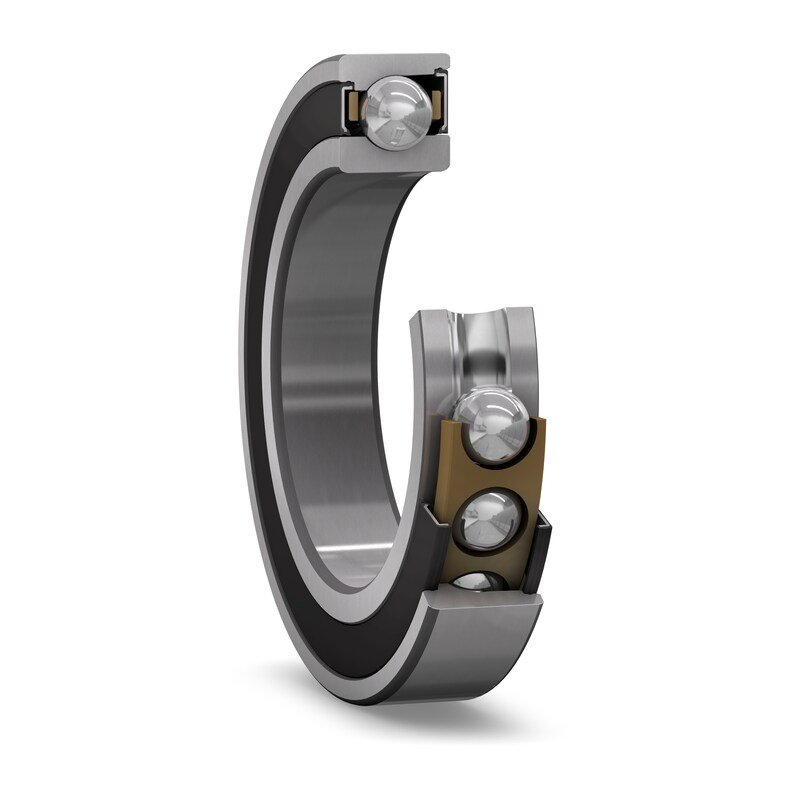
Thrust ball bearings use balls positioned between shaft and housing washers. They are generally suitable for light to moderate axial loads, depending on their design and operating conditions. There are two common configurations.
- Single-direction thrust ball bearings: Support axial loads in one direction.
- Double-direction thrust ball bearings: Support axial loads in both directions.
These bearings are used in machine tools, selected automotive mechanisms, and household equipment. They are best suited to applications where radial forces are minimal.
2. Thrust Roller Bearings
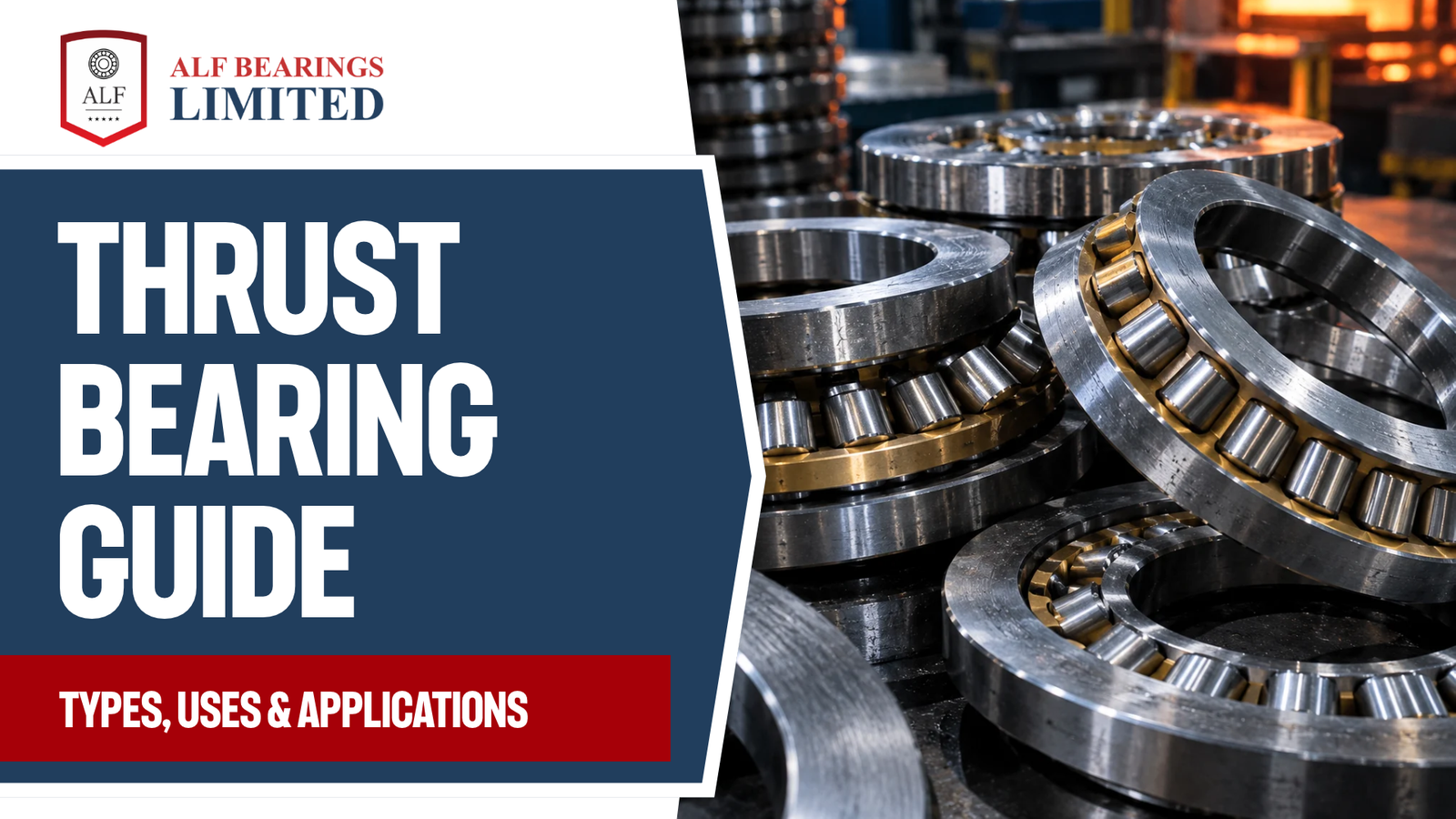
Thrust roller bearings use rollers to support axial loads. Their larger contact area makes several designs suitable for heavier loads than comparable ball-bearing arrangements.
Common Types
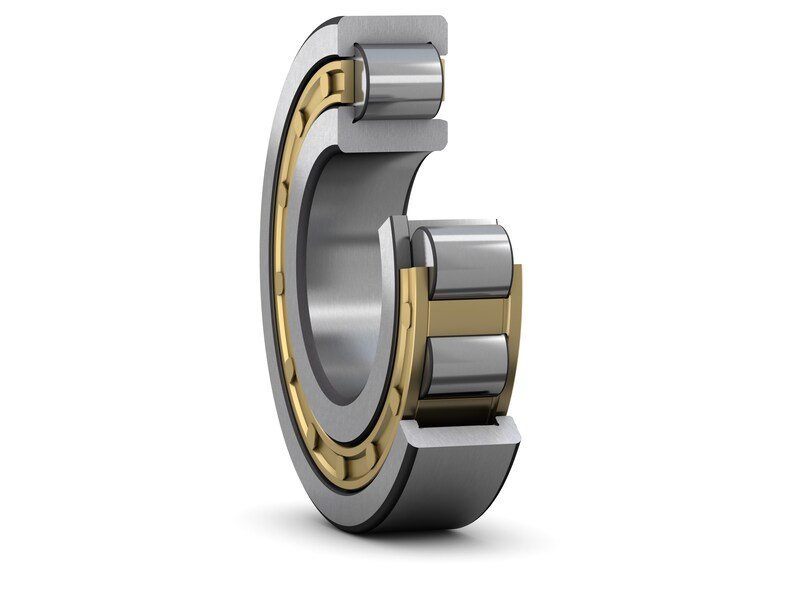
Cylindrical roller thrust bearings: Used in heavy-duty machinery and industrial equipment exposed to substantial axial forces.
Needle thrust bearings: Suitable for compact assemblies where installation space is limited, such as certain transmission mechanisms.
Spherical roller thrust bearings: Handle heavy axial loads and accommodate limited misalignment. Some designs can also support radial loads.
The choice depends on load capacity, operating speed, alignment, lubrication, and available space.
What Are the Common Thrust Bearing Uses?
Thrust bearing uses extend across automotive, manufacturing, marine, and industrial equipment. The bearing helps control axial forces that can otherwise affect shaft positioning and machine operation. Common thrust bearings are used as listed here.
- Automotive transmissions
- Industrial pumps
- Marine propulsion systems
- Machine tool spindles
Each application has different load and speed requirements, so the bearing must be selected according to the machine’s specifications.
Where Are Tapered Roller Bearings Used?
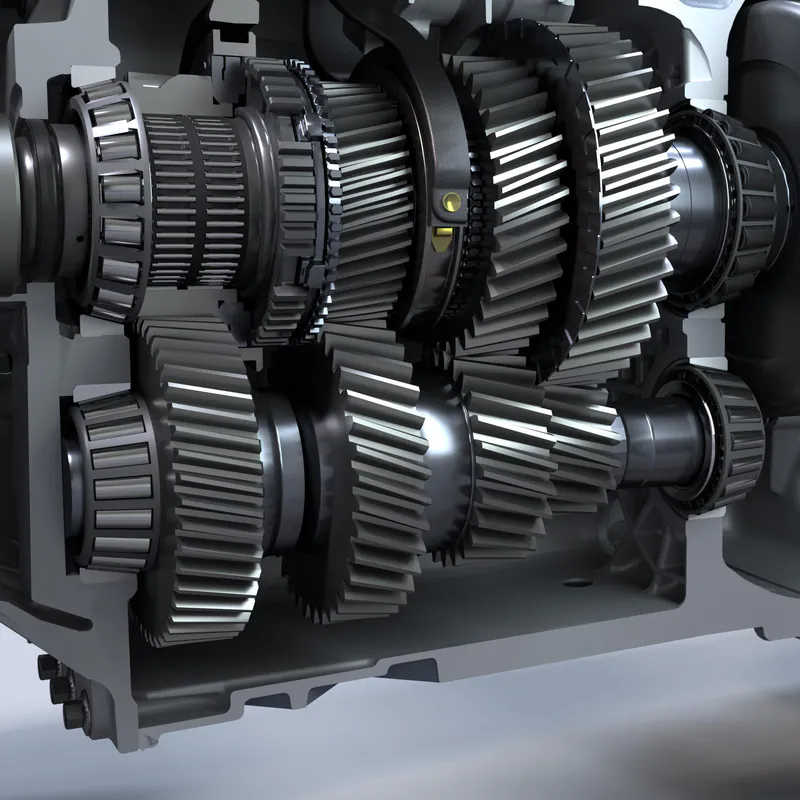
Tapered roller bearings support combined radial and axial loads, making them suitable for machinery exposed to forces from different directions. Common tapered bearing applications include vehicle wheel hubs, gearboxes, differentials, and industrial equipment.
For example, in a car wheel hub, these bearings support vehicle weight while handling cornering forces. Single-row tapered roller bearings are often fitted in pairs to manage axial loads in both directions.
When choosing among tapered bearing manufacturers, compare load ratings, dimensions, material quality, and speed limits to match the bearing to the application.
How to Select the Right Thrust Bearing
Selecting a suitable bearing requires checking the machine’s operating conditions before comparing available models.
- Calculate the expected load and check the bearing’s dynamic and static load ratings.
- Confirm that the bearing can operate at the required speed under the specified lubrication conditions.
- Radial forces: Determine whether the assembly needs separate radial support or a bearing designed for combined loads.
- Check the bore, outside diameter, width, and mounting arrangement.
- Choose suitable grease or oil based on speed, temperature, and operating conditions.
- Consider contamination protection, inspection access, and replacement requirements.
Installation also affects bearing performance. Incorrect mounting, misalignment, excessive loading, and insufficient lubrication can lead to overheating, surface damage, and early failure. Following the manufacturer’s installation instructions helps prevent these problems.
Wrapping It Up
Thrust ball bearings suit applications with lighter axial loads, while thrust roller bearings handle heavier loads depending on their design. For machinery exposed to combined radial and axial forces, tapered roller bearings may be a better choice. Matching the bearing type to the machine’s operating conditions helps prevent premature wear and maintain performance.
FAQ
A thrust bearing supports axial loads and controls movement along a rotating shaft.
It supports axial loads in applications such as selected machine mechanisms, automotive assemblies, and household equipment.
Common types include thrust ball bearings, cylindrical roller thrust bearings, needle thrust bearings, and spherical roller thrust bearings.
Most standard thrust bearings have limited radial load capacity. A separate radial bearing or a suitable combined-load design may be required.
Tapered roller bearings are used in vehicle wheel hubs, differentials, gearboxes, railway equipment, and industrial machinery exposed to combined radial and axial loads.