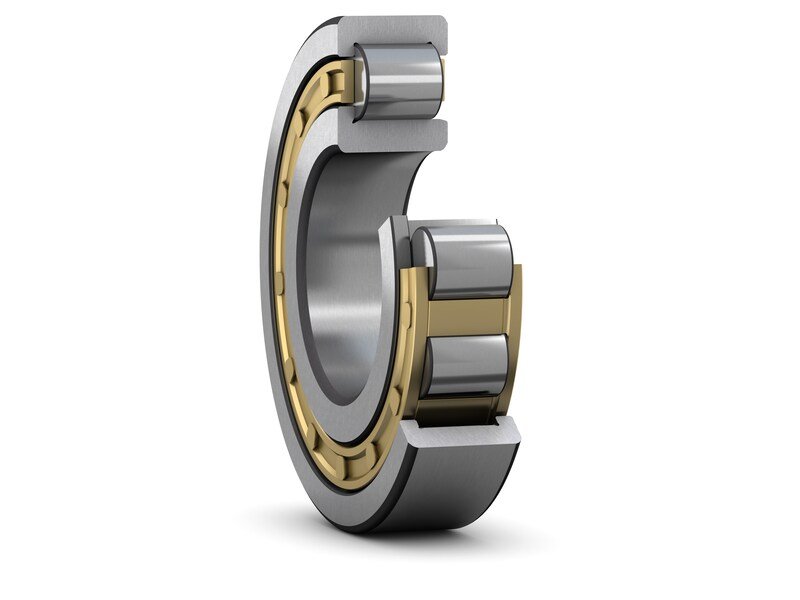
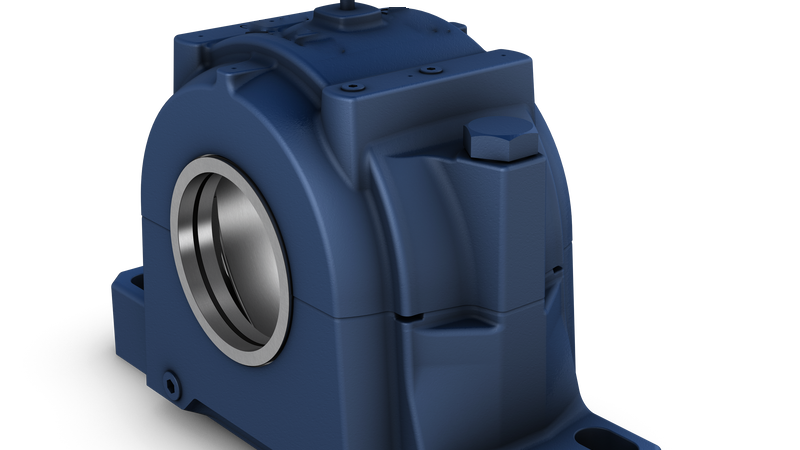
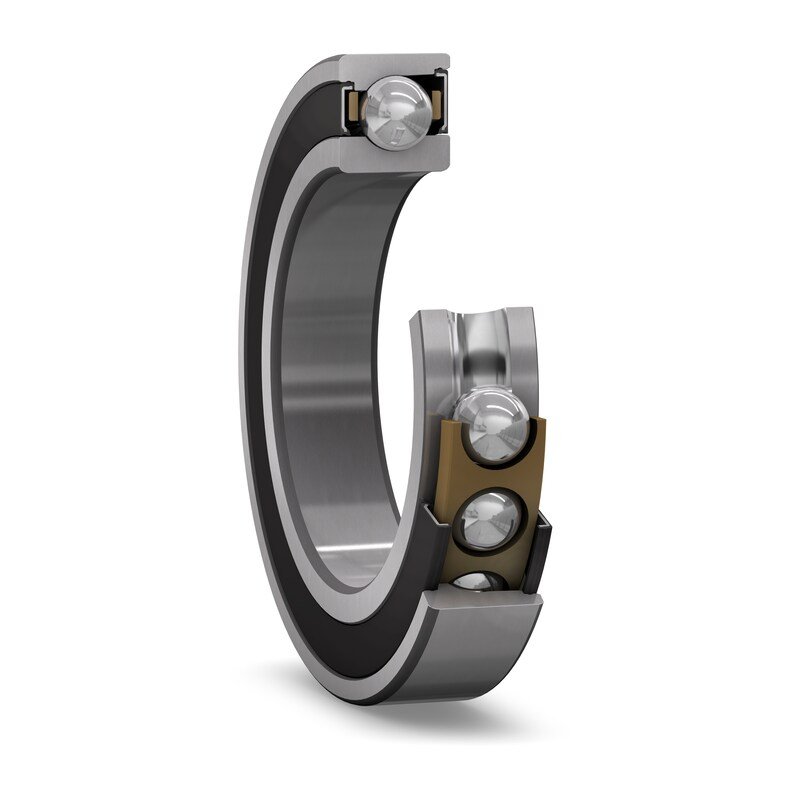
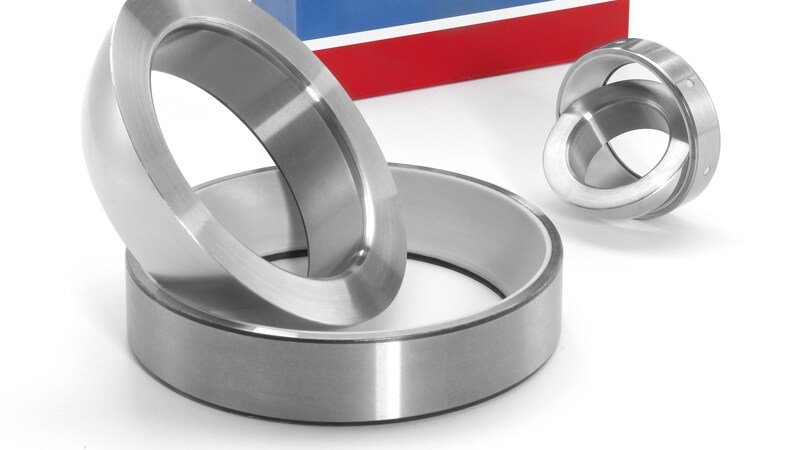

Bearings play a critical role in any industrial machinery. Nevertheless, when operating under high temperatures, bearings can be exposed to higher friction, lubricant failures, and other issues. In particular, the manufacturing, cement, glass, and heat treatment industries require bearings that can resist high temperatures.
Therefore, it is crucial to pay attention to temperature, loading, lubrication, and bearing material. In addition, the utilization of appropriate bearings helps to avoid additional expenses caused by breakdowns.
Importance of Heat Resistant Bearings
High temperature can have a significant effect on a bearings’ performance. The expansion of materials, lubricant oxidation, and other undesirable changes that happen when bearings operate at high temperatures should also be considered.
Such issues will eventually lead to operational difficulties, e.g., uneven surfaces, insufficient clearance, and bearing failure. On the other hand, heat resistant bearings can maintain their mechanical characteristics at high temperatures due to materials, appropriate heat treatment, and special lubrication systems.
High temperature bearings are vital for those machines that work under increased thermal conditions for a long time.
Materials of Heat Resistant Bearings
It is vital to choose the right materials for high temperature bearings in order to ensure their stable functioning.
Depending on the operating conditions, bearings made of different materials (stainless steel, ceramic, and heat stabilized steel) can be used.
1. Stainless Steel Bearings
Stainless steel bearings are used in machines with higher risks of corrosion or dirt adhesion. As for the temperature, stainless steel bearings have a variety of operating ranges depending on the alloy.
Therefore, stainless steel bearings are mainly applied in food processing equipment, chemical machinery, and other environments where corrosion and dirt are major concerns.
Different alloys have different operating temperature limits, so it is important to consider these limits when selecting the right materials for high-temperature bearings.
2. Ceramic Bearings
Ceramic bearings are ideal for some highly-pressurized machines or extremely fast rotations. Due to the utilization of advanced materials (e.g., silicon nitride), ceramic bearings demonstrate outstanding hardness and high-temperature resistance.
Furthermore, ceramic bearings come in a variety of types, e.g., ceramic balls and hybrid bearings made of ceramic and steel. Nevertheless, the load, size, and speed should be taken into account when using ceramic heat resistant bearings in various machines.
In some applications, these materials are also used together with other bearing materials.
3. Heat-Stabilized Steels Bearings
Heat stabilized steel bearings are characterized by their reliability under elevated temperatures due to stabilized dimensions and special hardening.
They are primarily utilized in conjunction with heavy machines and equipment that require reliable operation under high-temperature conditions.
In general, the selection of the heat stabilized steel bearings depends on operating temperatures, bearing’s hardening, and lubrication system.
Factors to Consider When Choosing Heat Resistant Bearings
When choosing the heat resistant bearings, a number of factors should be examined.
Operating Temperature
It is vital to pay attention to the normal operating temperature and the bearings’ temperature range. In this case, considering the bearings’ temperature range is more relevant when selecting the material for high temperature bearings.
Loading and Rotational Speed
As for the loading and rotational speed, higher pressures and rotational force lead to additional heating. Thus, it is essential to ensure that the selected bearings will be able to withstand the required load and rotational force without exceeding the pressure limits.
Lubrication
Lubrication is one of the key factors affecting bearings’ performance. The utilization of high temperature grease or special materials (e.g., oil or solid lubrication system) becomes vital when the operating temperatures are increased. In this regard, lubrication should also be reviewed with respect to temperature, pressure, bearing material, and other factors.
Bearing Design and Internal Clearance
When operating temperatures change, different parts of a bearing may expand. Thus, a special attention should be paid to the cage and bearings’ clearance to ensure that the material is appropriate for the given temperature and load.
Applications Where High-Temperature Bearings are Used
Heating bearings are utilized in a variety of applications for different purposes.
For example, high temperature bearings are required in industrial furnaces due to the significant thermal loads caused by rollers, conveyors, and other rotating components.
In addition, heat resisting bearings are applied in manufacturing units, e.g., in steel industry for rolling mills and other equipment; in cement industry for kilns, dryers, and other machines; in glass production for conveyors and other components; and in food industry for ovens, heaters, and other machines.
All of these examples show that it is vital to choose the material, taking into account the given conditions.
How to Ensure the Longer Working Time of High-Temperature Bearings?
Materials, temperature, pressure, and other factors are essential for the proper functioning of bearings. Even the most optimal solution for high temp bearings requires special maintenance.
For example, high temperature grease should be used. In addition, it is crucial to minimize the negative impact of vibration, dirt, and other factors on bearings. Moreover, regular inspections help prevent breakdowns and ensure that everything is in order.
If necessary, it is also recommended to contact the specialists to select the most optimal material for bearings with elevated temperature and pressure.
Conclusion
From the above information, it can be concluded that the choice of high temperature bearings is of paramount importance.
Whether ceramic bearings, stainless steel bearings, or heat stabilized steel bearings are considered, the temperature, pressure, and other factors affecting bearings’ performance should be taken into account.
At ALF Bearings, we understand that the selection of a bearing material of superior quality is fundamental in terms of the machine’s productivity and other performances, and we will help you choose the optimal solution for your bearings operating under high temperatures.
FAQs
High temperature bearings are utilized in various machines that are exposed to high temperatures, e.g., industrial furnaces, steel manufacturing, dryers, and other equipment.
Depending on the operating conditions (temperature, speed, and pressure), a number of materials can be used in bearing manufacture, e.g., heat stabilized steel, stainless steel, and ceramic bearings.
Ceramic bearings are characterized by a low coefficient of thermal expansion and high hardness, whereas stainless steel – by higher resistance to corrosion and dirt. It depends on the specific case whether ceramic bearings or stainless steel bearings are used.
High temperature bearings used in industrial furnaces can resist thermal fluctuations due to the application of different materials (e.g., steel and ceramic) and the appropriate selection of internal clearance. Thus, it is vital to analyze the materials and the temperature range during the operation.
The service life of bearings made of various materials can be prolonged due to the optimization of lubrication (e.g., utilization of high temperature grease), reduction of vibrations and misalignment, and elimination of other factors that lead to wear.