
How do you know if a bearing can handle your machine’s speed? The machine speed (RPM) is an important part of the decision, but it is not the only factor. Bearing type, load, lubrication, temperature, and operating conditions can all affect how a bearing performs at a given speed.
A bearing selected only by its RPM rating may not perform well once it is installed in a real machine. Good bearing selection means checking speed alongside the other conditions that affect bearing performance.
Why Operating Speed Matters in Bearing Selection
As machine speed increases, the bearing rotates faster and generates more frictional heat. If the heat is not managed properly, it can affect the lubricant, cage, seals, and other bearing components, which may also reduce bearing life.
Manufacturers provide a speed rating to indicate the conditions under which a bearing can operate safely. Manufacturers provide speed ratings to indicate the conditions under which a bearing can operate safely. Reference speed mainly relates to thermal conditions, while limiting speed is associated with mechanical restrictions. Both values should be considered along with the actual operating conditions of the machine.
1. Check the Machine’s Actual RPM
Start with the normal and maximum RPM of the machine. If equipment operates at different speeds, the highest expected operating speed should also be considered during bearing selection.
For example, a bearing used in a motor running at 1,500 RPM may not be suitable for another application operating at 3,000 RPM, even if the two machines have similar loads.
Also consider acceleration, variable-speed operation, and occasional speed increases. The bearing needs to perform safely across the machine’s actual operating range rather than at one fixed RPM.
2. Compare Speed With Bearing Load
Speed should not be considered separately from bearing load capacity. A bearing running at high speed with a light load will experience different conditions from one carrying a heavy load at the same RPM.
Higher loads can increase friction and heat, which may reduce the practical speed capability of the bearing. Check the bearing’s load capacity along with its speed rating before making a final choice.
The bearing type also matters. Some high-speed bearings are designed for applications where low friction and controlled heat generation are priorities, while other designs are better suited to heavy loads.
3. Match Lubrication and Temperature to Machine Speed
Lubrication becomes more important as speed increases. Poor lubrication can increase friction and temperature, while too much grease can also create additional heat.
The lubricant, quantity, and lubrication method should match the bearing and operating conditions. In applications where heat removal is important, oil lubrication may be considered because it can help remove heat from the bearing.
Temperature should also be monitored after installation. If the bearing becomes unusually hot at the normal operating speed, check lubrication, load, alignment, cooling, and bearing condition before assuming that the RPM alone is responsible.
4. Choose the Right Bearing for High-Speed Operation
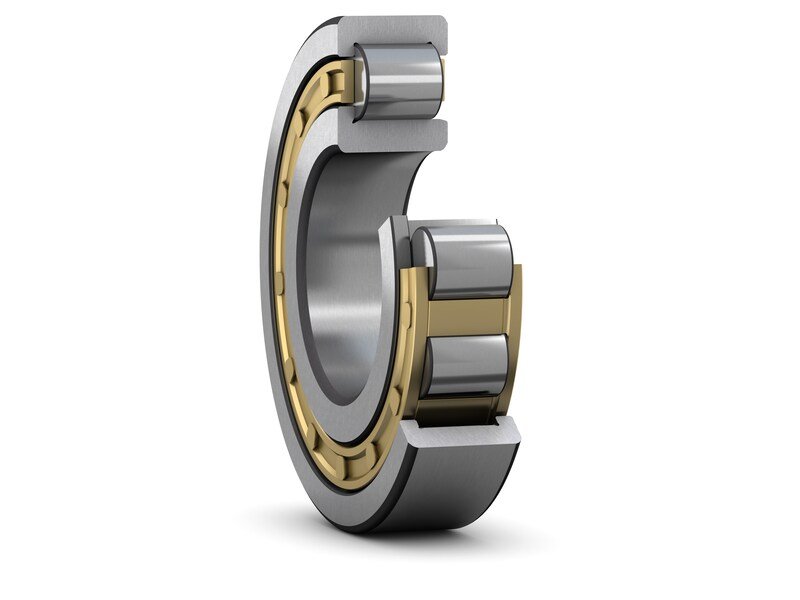
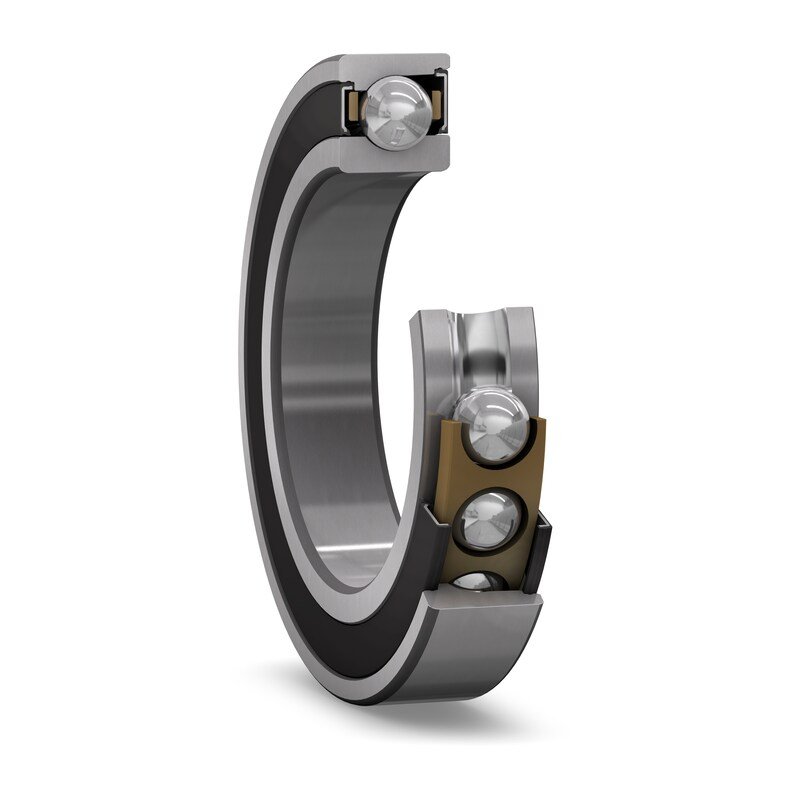
Not every bearing design has the same speed capability. Ball bearings, for example, are commonly used in applications where smooth operation and higher speeds are required. Certain angular contact and cylindrical roller bearing designs are also used in high-speed precision applications.
For very demanding applications, manufacturers may offer special bearing designs, cages, materials, and lubrication arrangements to support higher speeds.
However, choosing a bearing with a higher published RPM rating does not automatically make it suitable for every high-speed machine. The complete application needs to be checked against the manufacturer’s specifications.
5. Consider Bearing Life at the Required Speed
High RPM can affect bearing life when it leads to excessive heat, lubricant deterioration, or other operating problems. This does not mean that every high-speed application will have a short service life. The effect depends on the bearing and its operating conditions. Before finalizing a bearing, check these things.
- Maximum machine RPM
- Bearing speed rating
- Bearing load capacity
- Lubrication method
- Expected operating temperature
- Bearing type and size
- Alignment and mounting conditions
Taking these factors together gives engineers a more practical basis for bearing selection than looking at RPM alone.
Conclusion
Operating speed can have a direct effect on bearing performance, but RPM is only one part of the selection process. Matching the bearing to the machine’s speed, load, lubrication, and temperature requirements can help control heat, reduce premature wear, and support longer bearing life.
FAQs
A speed rating indicates how fast a bearing can operate under specified conditions. It should be compared with the machine’s actual operating speed and other application requirements.
Running beyond the recommended RPM limits can increase friction, heat, vibration, and mechanical stress. It may shorten bearing life or cause premature failure.
Many ball bearings are suitable for high-speed applications, particularly where loads are light to moderate. The specific bearing’s speed rating and operating conditions should always be checked before selection.
Higher RPM can affect bearing life when it causes excessive heat, poor lubrication, or other operating problems. Proper bearing selection and lubrication can help manage these effects.
Engineers should check machine speed, load, bearing speed rating, lubrication, temperature, bearing type, alignment, and operating environment. These factors together provide a better basis for selecting the right bearing.