
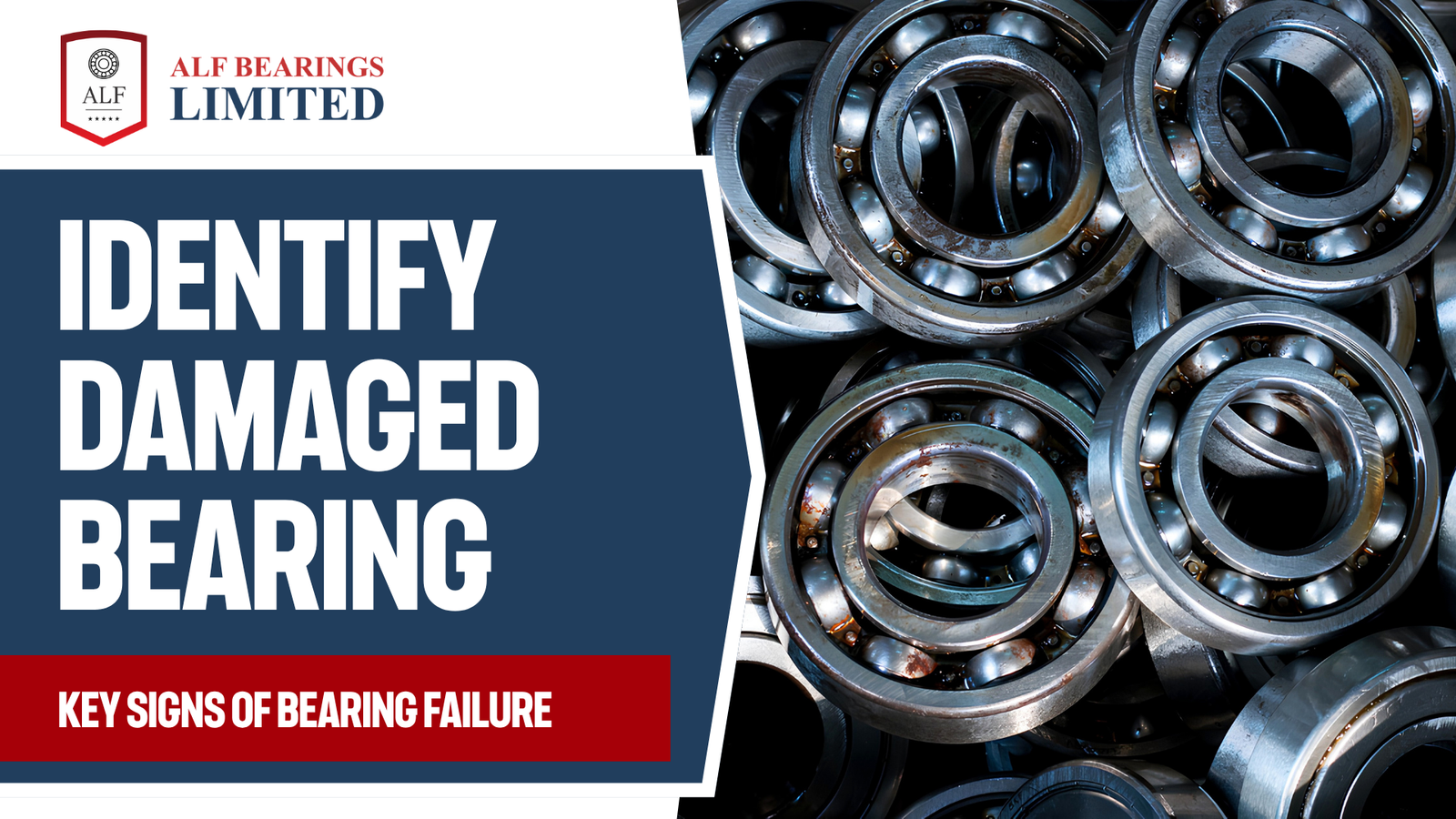
How to Identify a Damaged Bearing

16 SEPTEMBER 2026

Bearings are critical components in almost every rotating machine, from automotive systems and industrial equipment to mining machinery and heavy duty applications. Although bearings are designed for reliable operation, improper installation, contamination, insufficient lubrication, excessive loads, or harsh operating conditions can gradually cause damage.

Identifying a damaged bearing at an early stage can help prevent unexpected downtime, damage to surrounding components, and expensive repairs. Regular bearing inspection is therefore an important part of preventive maintenance.

Common Signs of a Damaged Bearing

Bearing damage does not always result in immediate failure. In many cases, the bearing begins showing warning signs before it stops functioning properly.

1. Unusual Noise

A healthy bearing generally operates smoothly with consistent sound. Grinding, clicking, squealing, or rumbling noises can indicate internal bearing defects.

These sounds may develop because of damaged rolling elements, contaminated lubricant, worn raceways, or insufficient lubrication. Any new or increasing noise during operation should be investigated before continuing prolonged machine operation.

2. Excessive Vibration

Increasing vibration is another common indication of bearing wear. Damage to the raceway, rolling elements, cage, or mounting surfaces can disturb smooth rotation and produce abnormal vibration.

Misalignment, imbalance, incorrect installation, and repeated shock loads can also contribute to vibration related bearing damage. Monitoring vibration trends can help maintenance teams identify developing problems before complete bearing failure occurs.

3. Abnormal Temperature Rise

Bearings naturally generate some heat during operation, but an unexpected or continuous increase in temperature may indicate a problem.

Insufficient lubrication can increase friction between internal surfaces. Excess lubricant can also create resistance and generate additional heat. Incorrect mounting, excessive loads, or misalignment may produce similar symptoms.

If bearing temperature begins rising beyond normal operating conditions, the lubrication system, load, alignment, and bearing condition should be checked.

What to Look for During Bearing Inspection

Once a bearing has been removed from equipment, a detailed visual inspection can reveal valuable information about its condition.

Raceway and Rolling Element Damage

Inspect the raceways and rolling elements for scratches, dents, cracks, flaking, or uneven surface patterns. These bearing defects may indicate fatigue, contamination, excessive load, or installation problems.

Material flaking or surface deterioration can be particularly important because continued operation may allow the damage to spread.

Contamination and Abrasive Wear

Dust, dirt, metal particles, and other contaminants can enter a bearing and interfere with the lubricant film. Over time, these particles may create scratches, indentations, and abrasive bearing wear.

Check the lubricant and internal surfaces for foreign particles. Damaged or ineffective seals should also be inspected because they may allow contamination to enter the bearing.

Corrosion

Rust, discoloration, or corrosion marks are clear warning signs during bearing inspection. Moisture entering through inadequate sealing or improper storage conditions can attack bearing surfaces.

Even relatively small corrosion marks can affect smooth operation when they develop on critical contact surfaces.

Lubrication Condition

Lubrication plays an important role in bearing performance and service life. During inspection, check whether the lubricant appears insufficient, contaminated, hardened, discolored, or otherwise degraded.

The correct lubricant type, quantity, and relubrication interval should always be selected according to the application and operating conditions.

Why Identifying Bearing Damage Early Matters

A damaged bearing can affect much more than a single component. Continued operation may increase vibration, generate excessive heat, reduce machine efficiency, and place additional stress on shafts, housings, gears, and other components.

Early detection allows maintenance teams to investigate the root cause instead of simply replacing the failed bearing. Understanding whether the problem originated from lubrication, contamination, mounting, alignment, load, or operating conditions can help prevent the same failure from happening again.

Conclusion

Effective bearing maintenance begins with observation. Changes in noise, vibration, temperature, lubricant condition, or surface appearance can provide early clues that a bearing requires attention.

Regular bearing inspection, correct mounting practices, proper lubrication, contamination control, and suitable operating conditions can significantly reduce premature bearing failure.

At ALF Bearings, precision and reliability remain central to bearing performance. Selecting the right bearing for the application and maintaining it correctly helps machinery operate efficiently while reducing unexpected downtime and unnecessary maintenance costs.

FAQs

1. How can I tell if a bearing is damaged?

Common signs include unusual noise, increased vibration, abnormal operating temperature, rough rotation, visible surface damage, and changes in lubricant condition. A detailed bearing inspection can help identify the likely cause.

2. What are the most common causes of bearing failure?

Common causes include incorrect mounting, inadequate or excessive lubrication, contamination, misalignment, excessive loads, vibration, corrosion, and unsuitable operating conditions.

3. Can a damaged bearing continue to operate?

A bearing may continue rotating after damage begins, but continued operation can increase the risk of complete failure and damage to surrounding components. The bearing should be inspected when abnormal symptoms appear.

4. What does bearing wear look like?

Bearing wear may appear as scratches, polished or uneven surfaces, indentations, discoloration, flaking, corrosion, or damaged raceways and rolling elements. The appearance often depends on the underlying cause.

5. How can premature bearing damage be prevented?

Correct bearing selection, proper mounting, accurate alignment, suitable lubrication, effective sealing, contamination control, and routine condition monitoring can help extend bearing service life and reduce premature failures.
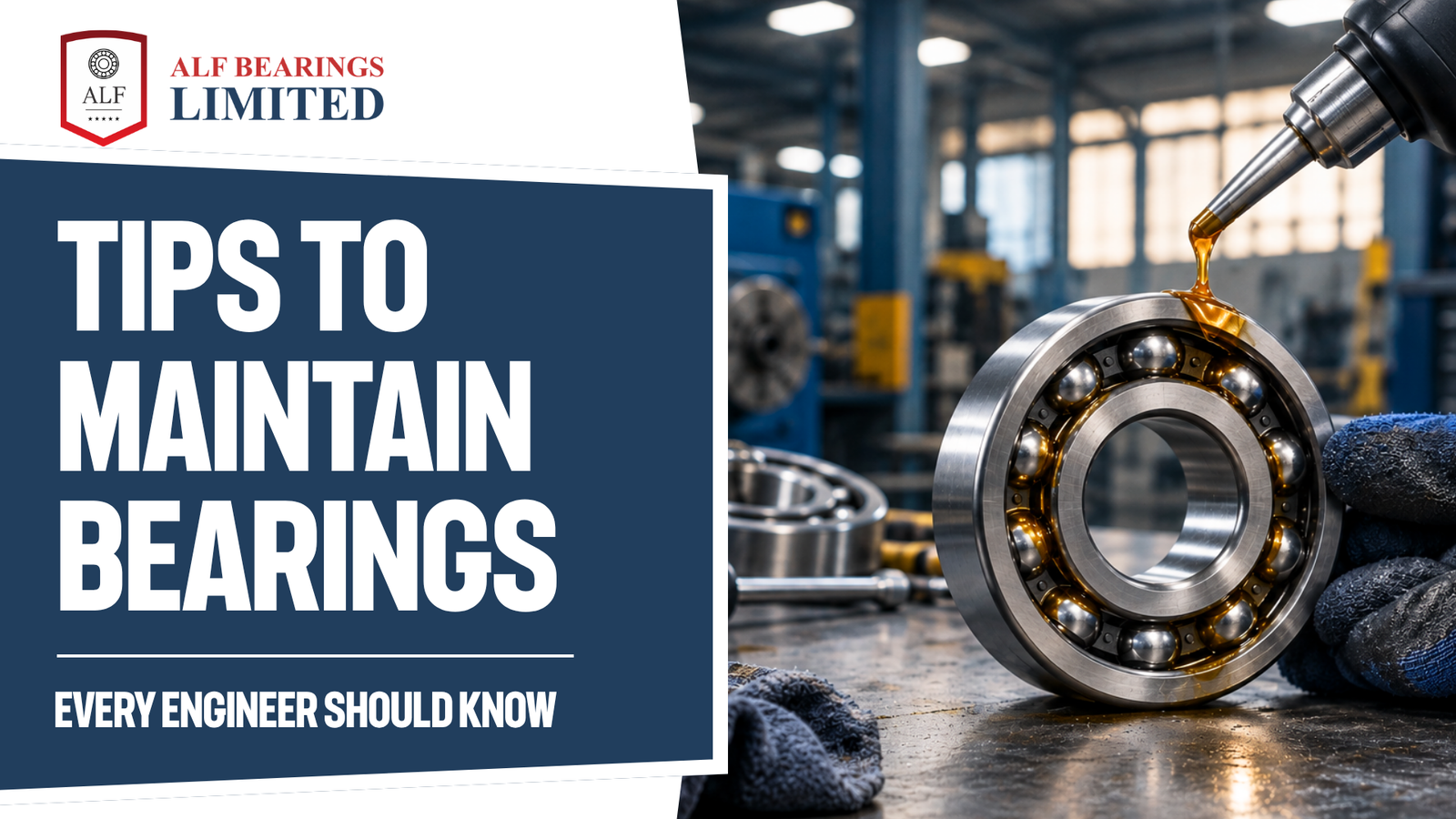
Bearing Maintenance Tips for Engineers

8 SEPTEMBER 2026

Many machine failures don’t happen because of major component damage; they often begin with small issues that go unnoticed. Regular bearing maintenance helps identify problems such as insufficient lubrication and early signs of wear before they begin to affect machine performance.

Bearings are small components with a significant impact on industrial equipment. They reduce friction, support rotating parts, and help machines operate efficiently. When a bearing fails, the result can be production delays, higher repair costs, and unexpected downtime. In most industrial facilities, bearing maintenance is part of industrial maintenance work to keep machines operating reliably.

Industry data shows that 36% of premature bearing failures are linked to poor lubrication. Regular inspections, proper lubrication, and timely maintenance can help reduce these issues, improve equipment reliability, and extend bearing life.

Why Bearing Maintenance Deserves More Attention

Bearings operate under constant mechanical loads, changing temperatures, and demanding environments. Over time, grease degrades, contaminants enter the housing, and components naturally wear. Without regular attention, these factors increase friction, reduce efficiency, and shorten bearing life.

A structured preventive maintenance program helps detect wear before it leads to equipment failure. Regular inspections and timely servicing reduce unexpected downtime, lower repair costs, and improve machine reliability.

Why Proper Bearing Lubrication Matters

One of the most common reasons bearings fail early is incorrect lubrication. Using the wrong lubricant, applying too much grease, or waiting too long between lubrication intervals can all damage a bearing. Effective bearing lubrication depends on many operating conditions as listed below.

  • Bearing type
  • Operating speed
  • Load
  • Temperature
  • Environmental conditions

For example, high-speed electric motors require different lubrication practices than slow-moving conveyor bearings.

It is equally important to avoid mixing incompatible greases. Different thickener types may not work well together, reducing lubrication performance and increasing wear.

Always follow the equipment manufacturer’s recommendations for lubricant type and relubrication intervals instead of relying on a fixed schedule for every machine.

Bearing Maintenance Practices for Long-Term Equipment Performance

A reliable bearing maintenance routine involves several practices that work together to improve equipment performance. The following tips can help reduce unexpected failures and extend bearing life.

1. Protect Bearings from Dirt and Moisture

Even a properly lubricated bearing can wear out quickly if dirt, dust, or moisture enters the assembly. Fine particles create small scratches on the rolling surfaces, while water can reduce lubricant performance and cause corrosion. Over time, these issues increase friction and accelerate wear.

Keep bearings in their original packaging until installation, clean shafts and housings before assembly, and inspect seals regularly. Replacing contaminated grease instead of adding fresh grease over it also helps maintain reliable performance.

2. Make Bearing Inspection Part of Your Maintenance Routine

Regular bearing inspection allows maintenance teams to detect wear, misalignment, and lubrication issues before they affect equipment performance. Maintenance teams should pay attention to unusual noise, vibration, temperature changes, grease leakage, and visible damage around the bearing housing.

For critical equipment, vibration analysis and temperature monitoring provide additional insight into bearing condition, allowing maintenance to be scheduled before a failure affects production.

3. Follow Correct Installation Practices

Even a high-quality bearing can fail early if it is installed incorrectly. Before mounting a bearing, inspect the shaft and housing for wear or damage, and use the correct installation tools to avoid damaging the bearing surfaces.

After installation, check shaft alignment and ensure the bearing rotates freely without excessive resistance. Proper installation reduces unnecessary stress and supports longer bearing life.

4. Pay Attention to Early Warning Signs

Bearings usually show signs of wear before they fail completely. Grinding sounds, increasing vibration, rising operating temperatures, grease discoloration, and reduced machine efficiency should never be ignored.

Investigating these changes early allows maintenance teams to plan repairs during scheduled downtime instead of dealing with unexpected breakdowns.

5. Use the Right Amount of Lubricant

More grease does not always provide better protection. Excess lubrication can increase operating temperature, create additional pressure inside the bearing, and damage seals.

The best approach is to follow the equipment manufacturer’s recommendations and adjust bearing lubrication intervals according to operating conditions rather than applying grease on a fixed schedule.

6. Store Bearings Properly Before Installation

Proper storage is an important part of bearing maintenance. Bearings should be kept in a clean, dry environment and remain in their original packaging until they are ready for installation.

Careful handling also prevents accidental damage that could affect performance after installation.

7. Build a Consistent Preventive Maintenance Plan

A well-organized preventive maintenance program combines lubrication, inspection, cleaning, and condition monitoring into a regular schedule. Recording maintenance activities, inspection findings, and replacement history helps identify recurring issues and improve maintenance planning over time.

Following these practices consistently strengthens industrial maintenance efforts, reduces unexpected downtime, and extends bearing life across a wide range of industrial applications.

Wrapping It Up

Regular bearing maintenance helps machines run smoothly and reduces the risk of unexpected failures. Simple practices such as proper bearing lubrication, routine bearing inspection, and preventive maintenance can improve equipment performance and extend bearing life.

FAQs

How often should bearing inspection be performed?

The inspection frequency depends on equipment criticality, operating conditions, and manufacturer recommendations. Critical production equipment generally requires more frequent inspections than lightly used machinery.

What is the most common cause of bearing failure?

Incorrect bearing lubrication is one of the leading causes of premature bearing failure. Contamination, poor installation, and excessive loads also contribute significantly to reduced bearing life.

How can preventive maintenance improve bearing life?

A well-planned preventive maintenance program combines regular lubrication, cleaning, bearing inspection, and condition monitoring to identify developing issues early. This reduces unexpected downtime and helps bearings operate closer to their intended service life.

Can bearing lubrication be done too often?

Yes. Applying more lubricant than required can increase operating temperature, create excess pressure inside the bearing, and damage seals. Following the equipment manufacturer’s recommended bearing lubrication schedule and using the correct amount of lubricant helps maintain reliable performance.

What are the early signs that a bearing needs maintenance?

Some common signs include unusual noise, increased vibration, higher operating temperatures, grease leakage, and reduced machine performance. Identifying these issues during routine bearing inspection allows maintenance teams to address problems before they lead to unexpected equipment failure.