
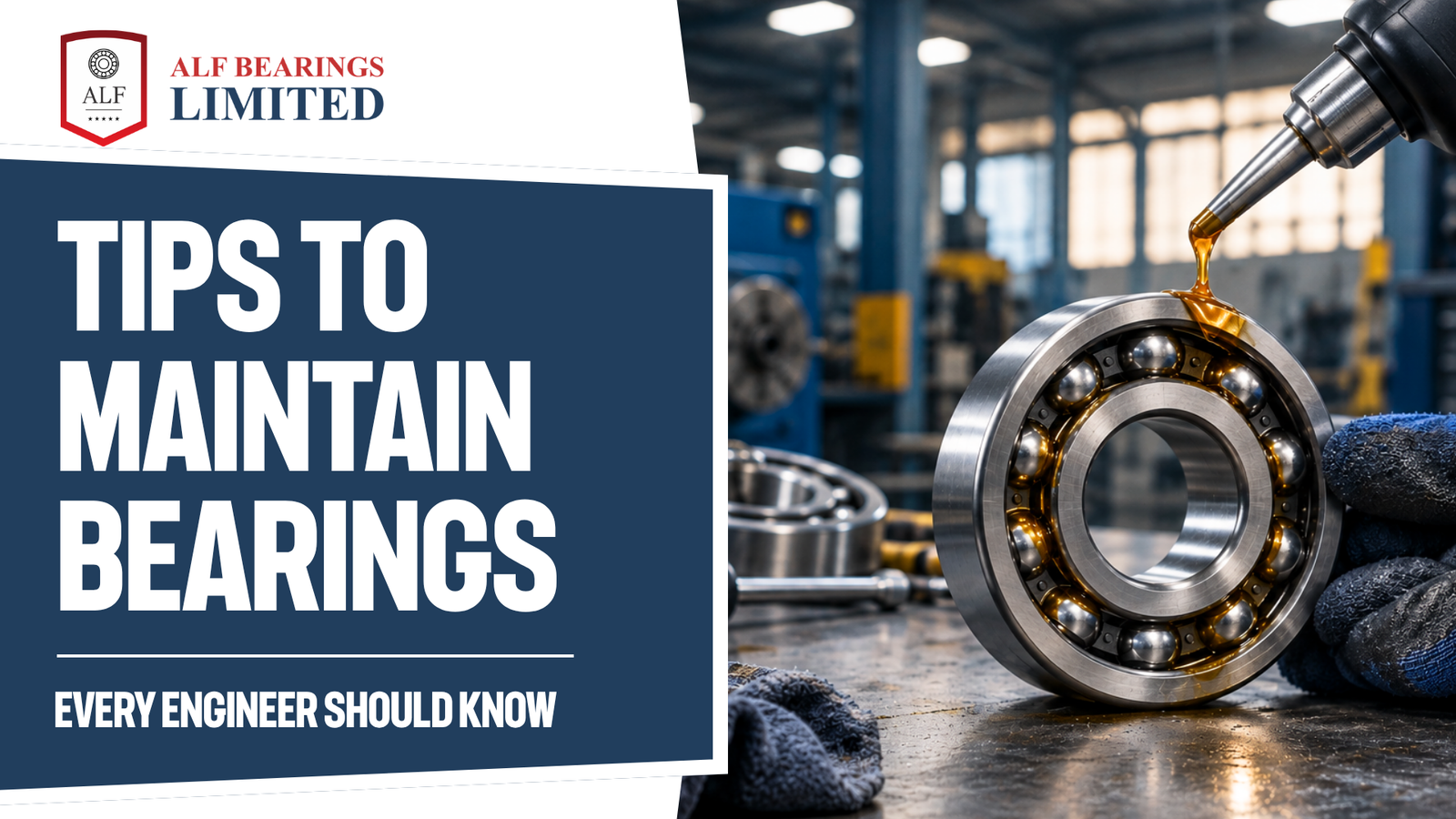
Many machine failures don’t happen because of major component damage; they often begin with small issues that go unnoticed. Regular bearing maintenance helps identify problems such as insufficient lubrication and early signs of wear before they begin to affect machine performance.
Bearings are small components with a significant impact on industrial equipment. They reduce friction, support rotating parts, and help machines operate efficiently. When a bearing fails, the result can be production delays, higher repair costs, and unexpected downtime. In most industrial facilities, bearing maintenance is part of industrial maintenance work to keep machines operating reliably.
Industry data shows that 36% of premature bearing failures are linked to poor lubrication. Regular inspections, proper lubrication, and timely maintenance can help reduce these issues, improve equipment reliability, and extend bearing life.
Why Bearing Maintenance Deserves More Attention
Bearings operate under constant mechanical loads, changing temperatures, and demanding environments. Over time, grease degrades, contaminants enter the housing, and components naturally wear. Without regular attention, these factors increase friction, reduce efficiency, and shorten bearing life.
A structured preventive maintenance program helps detect wear before it leads to equipment failure. Regular inspections and timely servicing reduce unexpected downtime, lower repair costs, and improve machine reliability.
Why Proper Bearing Lubrication Matters
One of the most common reasons bearings fail early is incorrect lubrication. Using the wrong lubricant, applying too much grease, or waiting too long between lubrication intervals can all damage a bearing. Effective bearing lubrication depends on many operating conditions as listed below.
- Bearing type
- Operating speed
- Load
- Temperature
- Environmental conditions
For example, high-speed electric motors require different lubrication practices than slow-moving conveyor bearings.
It is equally important to avoid mixing incompatible greases. Different thickener types may not work well together, reducing lubrication performance and increasing wear.
Always follow the equipment manufacturer’s recommendations for lubricant type and relubrication intervals instead of relying on a fixed schedule for every machine.
Bearing Maintenance Practices for Long-Term Equipment Performance
A reliable bearing maintenance routine involves several practices that work together to improve equipment performance. The following tips can help reduce unexpected failures and extend bearing life.
1. Protect Bearings from Dirt and Moisture
Even a properly lubricated bearing can wear out quickly if dirt, dust, or moisture enters the assembly. Fine particles create small scratches on the rolling surfaces, while water can reduce lubricant performance and cause corrosion. Over time, these issues increase friction and accelerate wear.
Keep bearings in their original packaging until installation, clean shafts and housings before assembly, and inspect seals regularly. Replacing contaminated grease instead of adding fresh grease over it also helps maintain reliable performance.
2. Make Bearing Inspection Part of Your Maintenance Routine
Regular bearing inspection allows maintenance teams to detect wear, misalignment, and lubrication issues before they affect equipment performance. Maintenance teams should pay attention to unusual noise, vibration, temperature changes, grease leakage, and visible damage around the bearing housing.
For critical equipment, vibration analysis and temperature monitoring provide additional insight into bearing condition, allowing maintenance to be scheduled before a failure affects production.
3. Follow Correct Installation Practices
Even a high-quality bearing can fail early if it is installed incorrectly. Before mounting a bearing, inspect the shaft and housing for wear or damage, and use the correct installation tools to avoid damaging the bearing surfaces.
After installation, check shaft alignment and ensure the bearing rotates freely without excessive resistance. Proper installation reduces unnecessary stress and supports longer bearing life.
4. Pay Attention to Early Warning Signs
Bearings usually show signs of wear before they fail completely. Grinding sounds, increasing vibration, rising operating temperatures, grease discoloration, and reduced machine efficiency should never be ignored.
Investigating these changes early allows maintenance teams to plan repairs during scheduled downtime instead of dealing with unexpected breakdowns.
5. Use the Right Amount of Lubricant
More grease does not always provide better protection. Excess lubrication can increase operating temperature, create additional pressure inside the bearing, and damage seals.
The best approach is to follow the equipment manufacturer’s recommendations and adjust bearing lubrication intervals according to operating conditions rather than applying grease on a fixed schedule.
6. Store Bearings Properly Before Installation
Proper storage is an important part of bearing maintenance. Bearings should be kept in a clean, dry environment and remain in their original packaging until they are ready for installation.
Careful handling also prevents accidental damage that could affect performance after installation.
7. Build a Consistent Preventive Maintenance Plan
A well-organized preventive maintenance program combines lubrication, inspection, cleaning, and condition monitoring into a regular schedule. Recording maintenance activities, inspection findings, and replacement history helps identify recurring issues and improve maintenance planning over time.
Following these practices consistently strengthens industrial maintenance efforts, reduces unexpected downtime, and extends bearing life across a wide range of industrial applications.
Wrapping It Up
Regular bearing maintenance helps machines run smoothly and reduces the risk of unexpected failures. Simple practices such as proper bearing lubrication, routine bearing inspection, and preventive maintenance can improve equipment performance and extend bearing life.
FAQs
The inspection frequency depends on equipment criticality, operating conditions, and manufacturer recommendations. Critical production equipment generally requires more frequent inspections than lightly used machinery.
Incorrect bearing lubrication is one of the leading causes of premature bearing failure. Contamination, poor installation, and excessive loads also contribute significantly to reduced bearing life.
A well-planned preventive maintenance program combines regular lubrication, cleaning, bearing inspection, and condition monitoring to identify developing issues early. This reduces unexpected downtime and helps bearings operate closer to their intended service life.
Yes. Applying more lubricant than required can increase operating temperature, create excess pressure inside the bearing, and damage seals. Following the equipment manufacturer’s recommended bearing lubrication schedule and using the correct amount of lubricant helps maintain reliable performance.
Some common signs include unusual noise, increased vibration, higher operating temperatures, grease leakage, and reduced machine performance. Identifying these issues during routine bearing inspection allows maintenance teams to address problems before they lead to unexpected equipment failure.