
Bearing grease is easy to overlook during routine maintenance until a bearing starts running hot, producing noise, or showing signs of wear. Replacing the bearing may not solve the problem if the bearing lubricant is unsuitable for the operating conditions. Proper bearing lubrication helps maintain a protective film between moving surfaces while handling the machine’s load, speed, and temperature. The right grease can reduce friction and wear, helping the bearing operate reliably.
When Bearing Grease Becomes a Problem
Proper bearing lubrication limits metal-to-metal contact between rolling elements and raceways. If the grease breaks down, becomes contaminated, or is applied incorrectly, the bearing may overheat and wear faster.
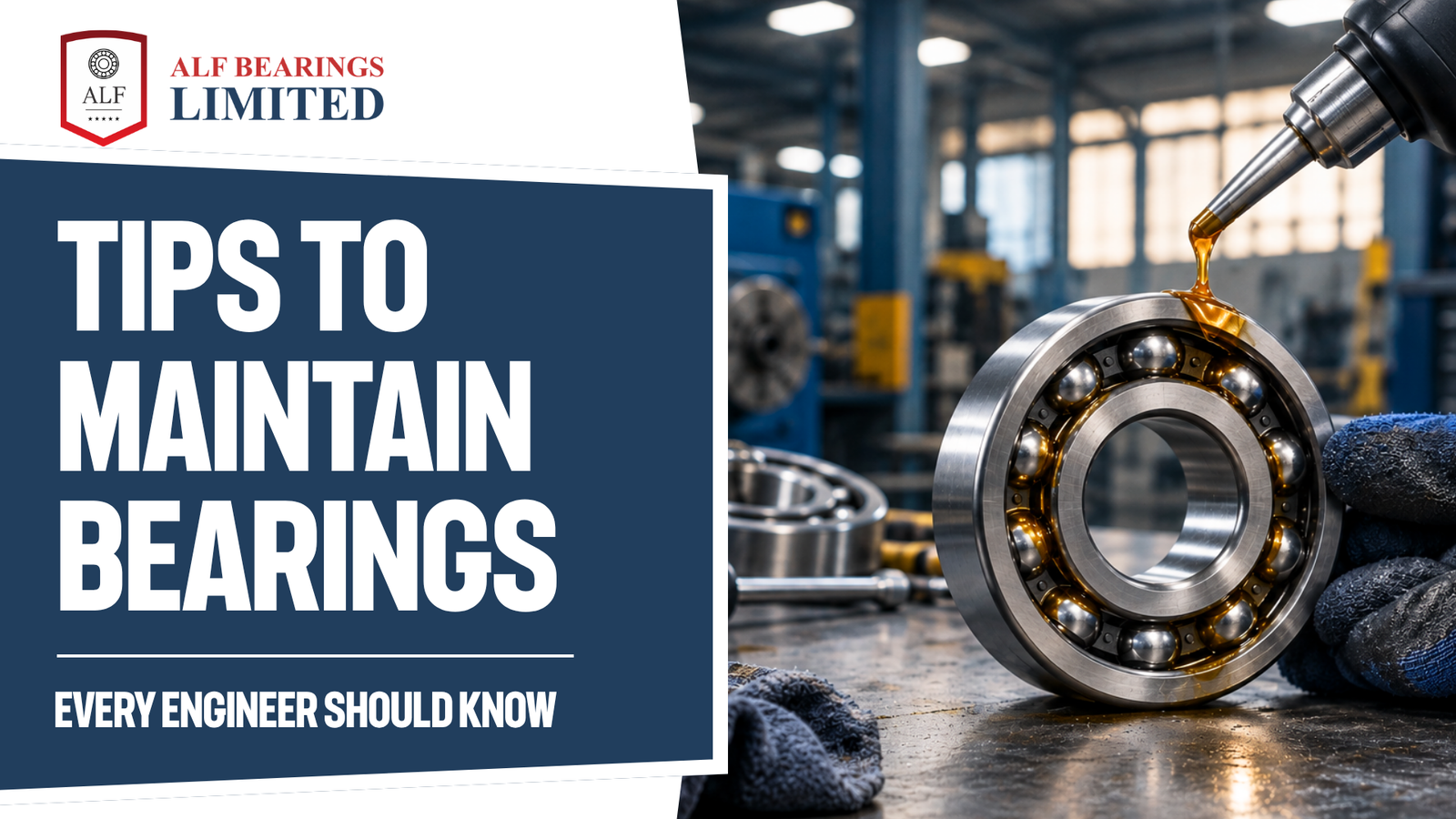
Choosing a suitable bearing lubricant, such as lithium grease for compatible general applications or high temp grease for elevated operating temperatures, helps protect bearing surfaces. The right ball bearing grease depends on the bearing’s load, speed, and working conditions.
Three common situations deserve attention.
Overheating: Excess grease, unsuitable viscosity, or high operating speed can increase friction and temperature.
Premature wear: An inadequate lubricating film may allow contact between bearing surfaces.
Contamination: Dust, water, and other particles can damage contact surfaces and reduce lubricant performance.
These symptoms do not always point to grease only. Misalignment, excessive loading, damaged seals, and incorrect installation can produce similar problems. Inspect the complete bearing arrangement before deciding to change the lubricant.
Choosing Grease for the Way a Machine Runs
The same grease does not suit every bearing. A high-speed electric motor has different lubrication needs from a heavily loaded conveyor or a machine exposed to elevated temperatures.
Lithium Grease for General Applications
Lithium grease is widely used in industrial equipment, automotive components, and general machinery. It provides a useful combination of mechanical stability, water resistance, and wear protection. Its suitability still depends on the formulation and the bearing’s operating conditions.
Lithium-complex grease may offer higher temperature capability than conventional lithium grease. Check the product’s specified operating range instead of assuming all lithium-based products perform alike.
High Temperature Grease for Hot Operating Conditions
High temp grease is designed for applications where standard grease may oxidize or lose its lubricating properties too quickly. It may be used in suitable industrial ovens, hot-running motors, and equipment exposed to elevated temperatures.
The maximum temperature listed on a product label is not the only factor to check. Continuous operating temperature, bearing speed, load, and relubrication requirements also affect bearing lubrication performance.
Ball Bearing Grease for Rotating Assemblies
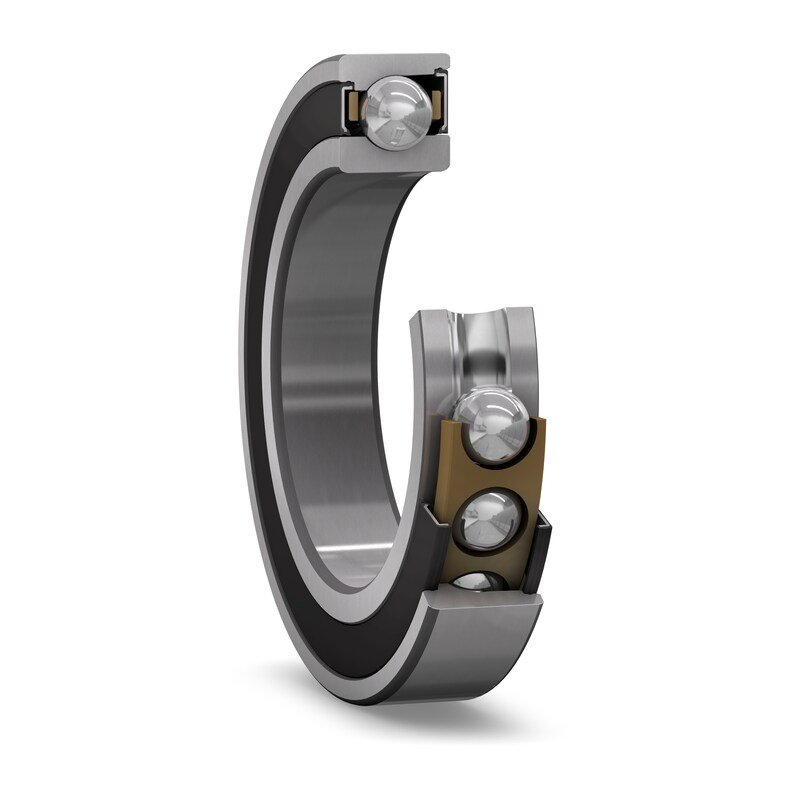
Ball bearing grease must suit the bearing’s speed, load, internal clearance, and sealing arrangement. Base-oil viscosity affects the lubricating film between the balls and raceways. Grease that works well in a slow-moving, heavily loaded assembly may create excessive friction in a high-speed motor.
For this reason, follow the bearing manufacturer’s lubrication recommendations before choosing a replacement product.
Four Checks Before Selecting a Bearing Lubricant
A grease specification becomes more useful when it is matched to the actual machine.
| Check | What to examine |
|---|---|
| Operating temperature | Actual running temperature and grease temperature limits |
| Load and speed | Bearing load, rotational speed, and required base-oil viscosity |
| NLGI grade | Grease consistency required by the application |
| Environment | Exposure to moisture, dust, chemicals, and vibration |
NLGI grade describes grease consistency, not its overall quality or temperature capability. NLGI 2 is widely used in general applications, but another grade may be needed for a specific bearing or lubrication system.
Also check grease compatibility before switching products. Greases with different thickeners or additive systems may not mix safely. If compatibility is uncertain, follow the equipment manufacturer’s cleaning and relubrication procedure.
How Much Grease Does a Bearing Need?
Adding more grease does not necessarily improve lubrication. Excess grease can increase churning resistance, raise operating temperature, and cause leakage. Too little grease may leave the bearing without sufficient lubrication.
The correct quantity depends on the bearing’s size, speed, housing design, and lubrication method. A sealed bearing may be lubricated for its intended service life, while a bearing with a relubrication point requires periodic maintenance.
Follow the manufacturer’s specified grease quantity and interval. Avoid filling the entire housing unless the design calls for it.
Maintenance Signs Worth Checking
A simple inspection can help identify lubrication problems before they cause more extensive damage. Look for unusual noise, rising temperature, grease leakage, discoloration, or visible contamination.
Check whether the grease has changed consistency or contains water or particles. However, do not assume that fresh grease will fix every problem. A damaged raceway, worn shaft, or misaligned assembly may need repair or replacement.
Keep a record of the grease grade, quantity, and relubrication date for equipment that requires regular servicing. This makes it easier to identify recurring problems and check whether the maintenance interval suits the working conditions.
Wrapping It Up
Bearing grease selection should match the machine’s actual operating conditions. Lithium grease suits many general applications, while high-temperature formulations serve equipment exposed to greater heat. For ball bearings, speed and base-oil viscosity deserve particular attention. Following the specified grease quantity, checking compatibility, and inspecting the bearing during maintenance can help prevent avoidable lubrication problems.
FAQs
The right grease depends on the bearing design, load, speed, temperature, and environment. Start with the manufacturer’s recommendation.
Yes, if the grease’s viscosity, temperature range, and other specifications suit the bearing and its operating conditions.
Use it when the bearing’s operating temperature exceeds the suitable range of standard grease and the selected product meets the bearing manufacturer’s requirements.
Not without confirming compatibility. Mixing incompatible greases can change their consistency and lubrication performance.
There is no universal interval. Follow the manufacturer’s schedule and account for operating speed, temperature, contamination, and bearing design.