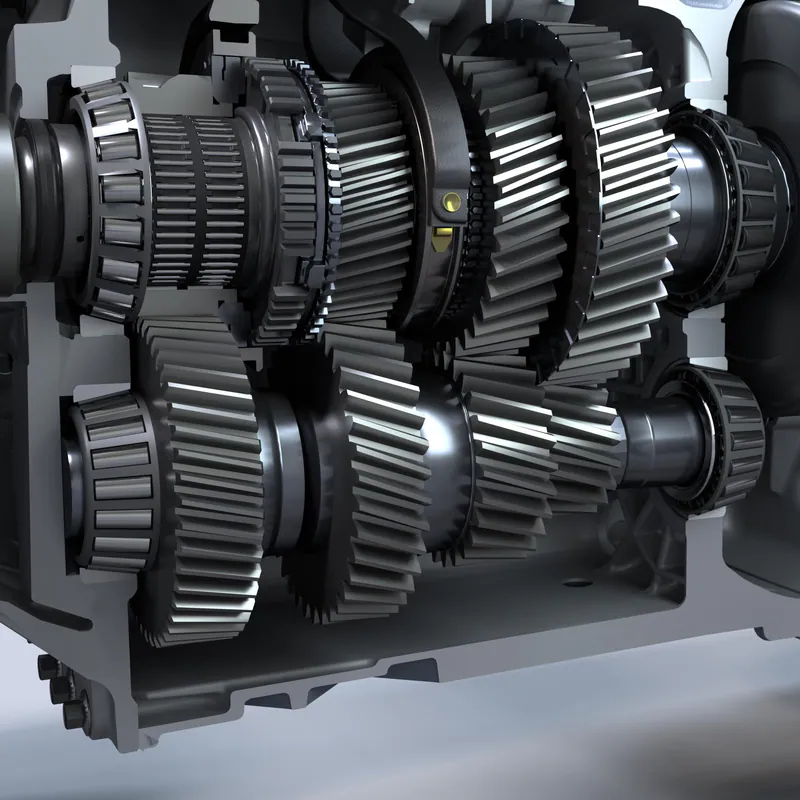

Bearings are used in machines that operate for long hours, carry heavy loads, or run at high speeds. As factories adopt faster equipment, electric motors, and automated production lines, bearing design is changing to meet these demands. Bearing Innovations and High-Speed Bearings are now focused not only on load capacity but also on lower friction, better heat control, longer service life, and machine condition monitoring.
A 2026 industry report valued the global bearing market at about USD 143.25 billion in 2025, showing the scale of demand for bearing products across industrial and automotive applications.
The main changes include bearing materials, sensor systems, internal designs, and monitoring methods. These developments are giving manufacturers more choices for machines that need higher speed, better efficiency, or closer maintenance control. Machine bearings are also being designed to meet these changing requirements.
What Is New in Bearing Technology
Bearing design has moved beyond basic load support. Engineers are also looking at how bearings behave under high speed, electrical loads, heat, and continuous operation. These changes are part of manufacturing innovation, where equipment needs to run efficiently while meeting higher production demands.
Some recent developments focus on reducing friction and weight, while others add sensors or improve the way a bearing handles demanding conditions. This gives manufacturers more options when selecting machine bearings for modern production equipment.
Faster Machines Need Better Bearings
Machine tools, electric motors, pumps, compressors, and automated equipment can run at high speeds, where friction and heat can affect machine bearings and nearby parts.
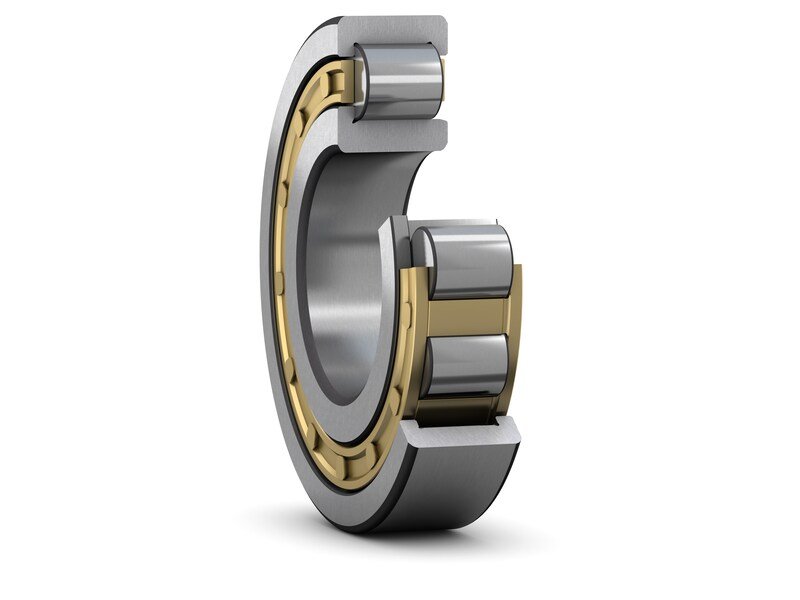
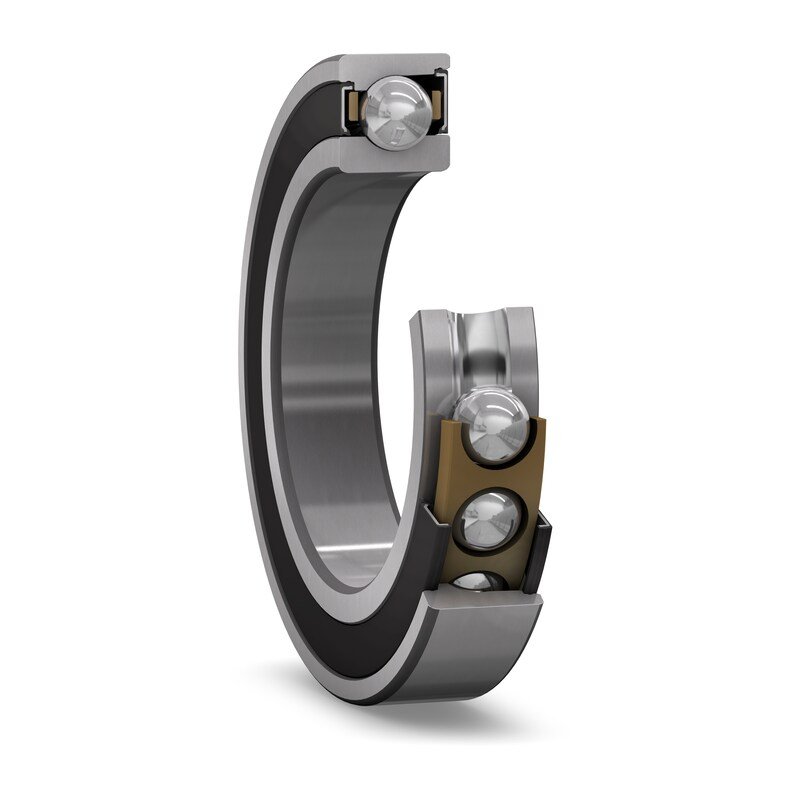
New designs use improved steels, cages, seals, lubrication, and ceramic rolling elements to handle these conditions. High-speed bearings are designed for such applications, with features that help manage friction and heat during fast rotation.
The right bearing should match the machine’s speed, load, temperature, and lubrication needs.
Better Monitoring of Machine Condition
A bearing can show early signs of a problem through changes in temperature, vibration, speed, or load. Sensor bearings can track these changes during machine operation and send the data to a monitoring system.
Recent research has also tested bearings with built-in sensing functions, including a 2026 study that reported over 98% fault-diagnosis accuracy.
Connected Bearings for Maintenance
The information collected from sensors can be linked to wider factory monitoring systems. IoT Smart Bearings can be part of this setup, allowing bearing data to be reviewed along with other machine information.
Maintenance teams can use this data to
- Check bearing condition while the machine is running.
- Track changes in temperature and vibration over time.
- Plan inspections based on actual machine condition.
- Investigate possible problems before they lead to a machine stoppage.
The system still depends on accurate sensors and proper data analysis. A warning should be checked by the maintenance team before any repair or bearing replacement is planned.
New Materials for Demanding Applications
Ceramic rolling elements, improved steels, coatings, and other material treatments are being used where standard steel bearings may have limits. Hybrid ceramic bearings combine steel rings with ceramic balls, making them suitable for some high-speed and electric motor applications.
Ceramic balls are lighter and provide electrical insulation, while newer bearing innovations are also focused on reducing heat, wear, and friction. A 2026 design achieved speeds of up to 30,000 rpm under grease lubrication. These bearings cost more than standard designs, so the choice should match the machine’s actual requirements.
Changes Inside the Bearing
Changes to cages, seals, raceways, and other internal parts can improve bearing performance under speed and load. New designs aim to reduce friction while maintaining protection, and recent steel research is focused on improving resistance to rolling-contact fatigue. These changes can help control heat, noise, wear, and bearing life during continuous operation.
How Bearing Materials and Designs Are Changing
Manufacturers are improving bearing steels, coatings, cages, seals, and internal designs to increase resistance to wear, heat, contamination, and vibration. New cage designs and surface treatments are also being tested for high-speed and demanding applications.
For manufacturers, these changes can support many practical needs, like
- Lower friction and energy loss.
- Better performance at high speeds.
- More information about bearing condition.
- Longer intervals between inspections in suitable applications.
- Better protection in electric and high-temperature equipment.
What Manufacturers Need to Consider
New bearing technology can offer useful choices, but the most advanced option is not always the best one. Manufacturers need to look at the actual machine and its working conditions before selecting a bearing.
Important factors like,
- Operating speed and load.
- Temperature and lubrication method.
- Exposure to dust, moisture, or chemicals.
- Electrical conditions in motor applications.
- Available installation space.
- Required maintenance schedule.
- Need for condition monitoring.
The right combination can help a bearing perform reliably without adding unnecessary cost or complexity.
Wrapping It Up
The right bearing depends on the machine, its working conditions, and the type of work it performs. New designs give manufacturers more choices, but proper selection remains more important than choosing the newest option. For manufacturers, selecting the right bearing for the actual machine and working conditions remains the most important step.
FAQs
Load, speed, lubrication, operating temperature, installation, alignment, contamination, and maintenance practices can all affect bearing service life.
Regular inspection, correct lubrication, proper installation, and timely replacement of worn parts can help reduce bearing-related problems.
Seals help keep dust, moisture, and other contaminants away from the rolling elements and lubricant.
Lubrication reduces contact between moving surfaces and helps control friction, heat, and wear during operation.
Not always. Bearing size, load capacity, speed, mounting arrangement, temperature, and operating environment need to match the machine.