
Bearings are critical components in almost every rotating machine, from automotive systems and industrial equipment to mining machinery and heavy duty applications. Although bearings are designed for reliable operation, improper installation, contamination, insufficient lubrication, excessive loads, or harsh operating conditions can gradually cause damage.
Identifying a damaged bearing at an early stage can help prevent unexpected downtime, damage to surrounding components, and expensive repairs. Regular bearing inspection is therefore an important part of preventive maintenance.
Common Signs of a Damaged Bearing
Bearing damage does not always result in immediate failure. In many cases, the bearing begins showing warning signs before it stops functioning properly.
1. Unusual Noise
A healthy bearing generally operates smoothly with consistent sound. Grinding, clicking, squealing, or rumbling noises can indicate internal bearing defects.
These sounds may develop because of damaged rolling elements, contaminated lubricant, worn raceways, or insufficient lubrication. Any new or increasing noise during operation should be investigated before continuing prolonged machine operation.
2. Excessive Vibration
Increasing vibration is another common indication of bearing wear. Damage to the raceway, rolling elements, cage, or mounting surfaces can disturb smooth rotation and produce abnormal vibration.
Misalignment, imbalance, incorrect installation, and repeated shock loads can also contribute to vibration related bearing damage. Monitoring vibration trends can help maintenance teams identify developing problems before complete bearing failure occurs.
3. Abnormal Temperature Rise
Bearings naturally generate some heat during operation, but an unexpected or continuous increase in temperature may indicate a problem.
Insufficient lubrication can increase friction between internal surfaces. Excess lubricant can also create resistance and generate additional heat. Incorrect mounting, excessive loads, or misalignment may produce similar symptoms.
If bearing temperature begins rising beyond normal operating conditions, the lubrication system, load, alignment, and bearing condition should be checked.
What to Look for During Bearing Inspection
Once a bearing has been removed from equipment, a detailed visual inspection can reveal valuable information about its condition.
Raceway and Rolling Element Damage
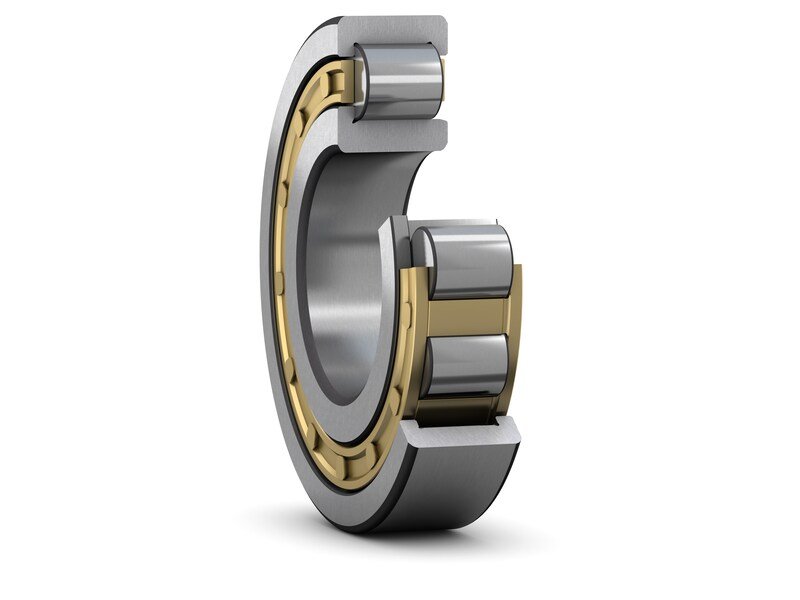
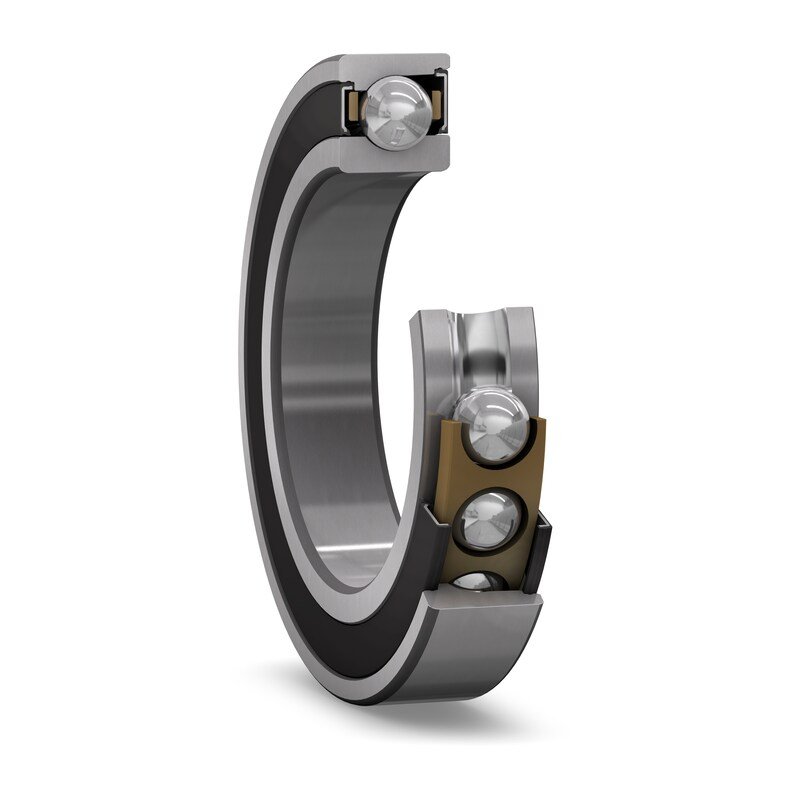
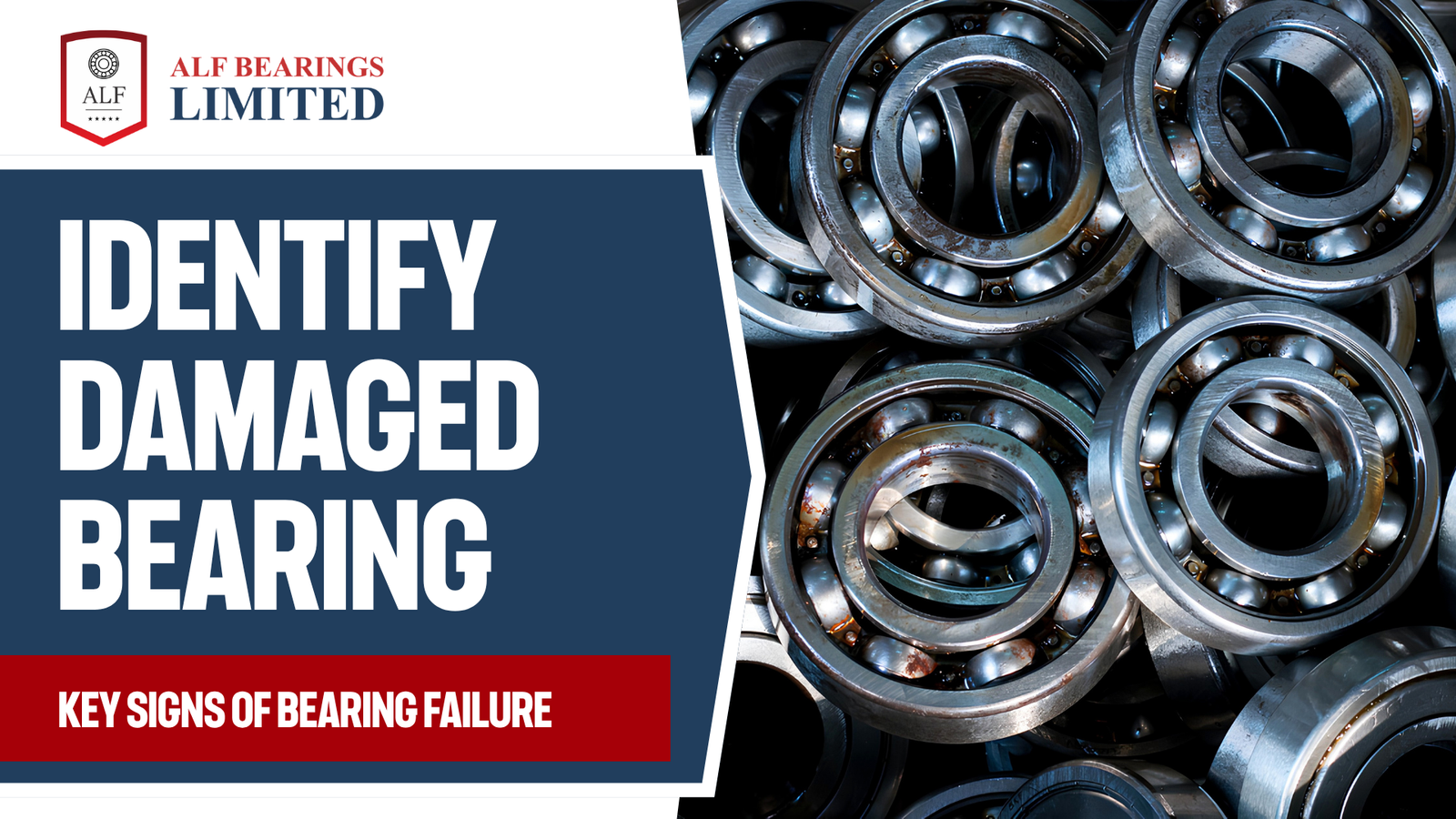
Inspect the raceways and rolling elements for scratches, dents, cracks, flaking, or uneven surface patterns. These bearing defects may indicate fatigue, contamination, excessive load, or installation problems.
Material flaking or surface deterioration can be particularly important because continued operation may allow the damage to spread.
Contamination and Abrasive Wear
Dust, dirt, metal particles, and other contaminants can enter a bearing and interfere with the lubricant film. Over time, these particles may create scratches, indentations, and abrasive bearing wear.
Check the lubricant and internal surfaces for foreign particles. Damaged or ineffective seals should also be inspected because they may allow contamination to enter the bearing.
Corrosion
Rust, discoloration, or corrosion marks are clear warning signs during bearing inspection. Moisture entering through inadequate sealing or improper storage conditions can attack bearing surfaces.
Even relatively small corrosion marks can affect smooth operation when they develop on critical contact surfaces.
Lubrication Condition
Lubrication plays an important role in bearing performance and service life. During inspection, check whether the lubricant appears insufficient, contaminated, hardened, discolored, or otherwise degraded.
The correct lubricant type, quantity, and relubrication interval should always be selected according to the application and operating conditions.
Why Identifying Bearing Damage Early Matters
A damaged bearing can affect much more than a single component. Continued operation may increase vibration, generate excessive heat, reduce machine efficiency, and place additional stress on shafts, housings, gears, and other components.
Early detection allows maintenance teams to investigate the root cause instead of simply replacing the failed bearing. Understanding whether the problem originated from lubrication, contamination, mounting, alignment, load, or operating conditions can help prevent the same failure from happening again.
Conclusion
Effective bearing maintenance begins with observation. Changes in noise, vibration, temperature, lubricant condition, or surface appearance can provide early clues that a bearing requires attention.
Regular bearing inspection, correct mounting practices, proper lubrication, contamination control, and suitable operating conditions can significantly reduce premature bearing failure.
At ALF Bearings, precision and reliability remain central to bearing performance. Selecting the right bearing for the application and maintaining it correctly helps machinery operate efficiently while reducing unexpected downtime and unnecessary maintenance costs.
FAQs
Common signs include unusual noise, increased vibration, abnormal operating temperature, rough rotation, visible surface damage, and changes in lubricant condition. A detailed bearing inspection can help identify the likely cause.
Common causes include incorrect mounting, inadequate or excessive lubrication, contamination, misalignment, excessive loads, vibration, corrosion, and unsuitable operating conditions.
A bearing may continue rotating after damage begins, but continued operation can increase the risk of complete failure and damage to surrounding components. The bearing should be inspected when abnormal symptoms appear.
Bearing wear may appear as scratches, polished or uneven surfaces, indentations, discoloration, flaking, corrosion, or damaged raceways and rolling elements. The appearance often depends on the underlying cause.
Correct bearing selection, proper mounting, accurate alignment, suitable lubrication, effective sealing, contamination control, and routine condition monitoring can help extend bearing service life and reduce premature failures.