
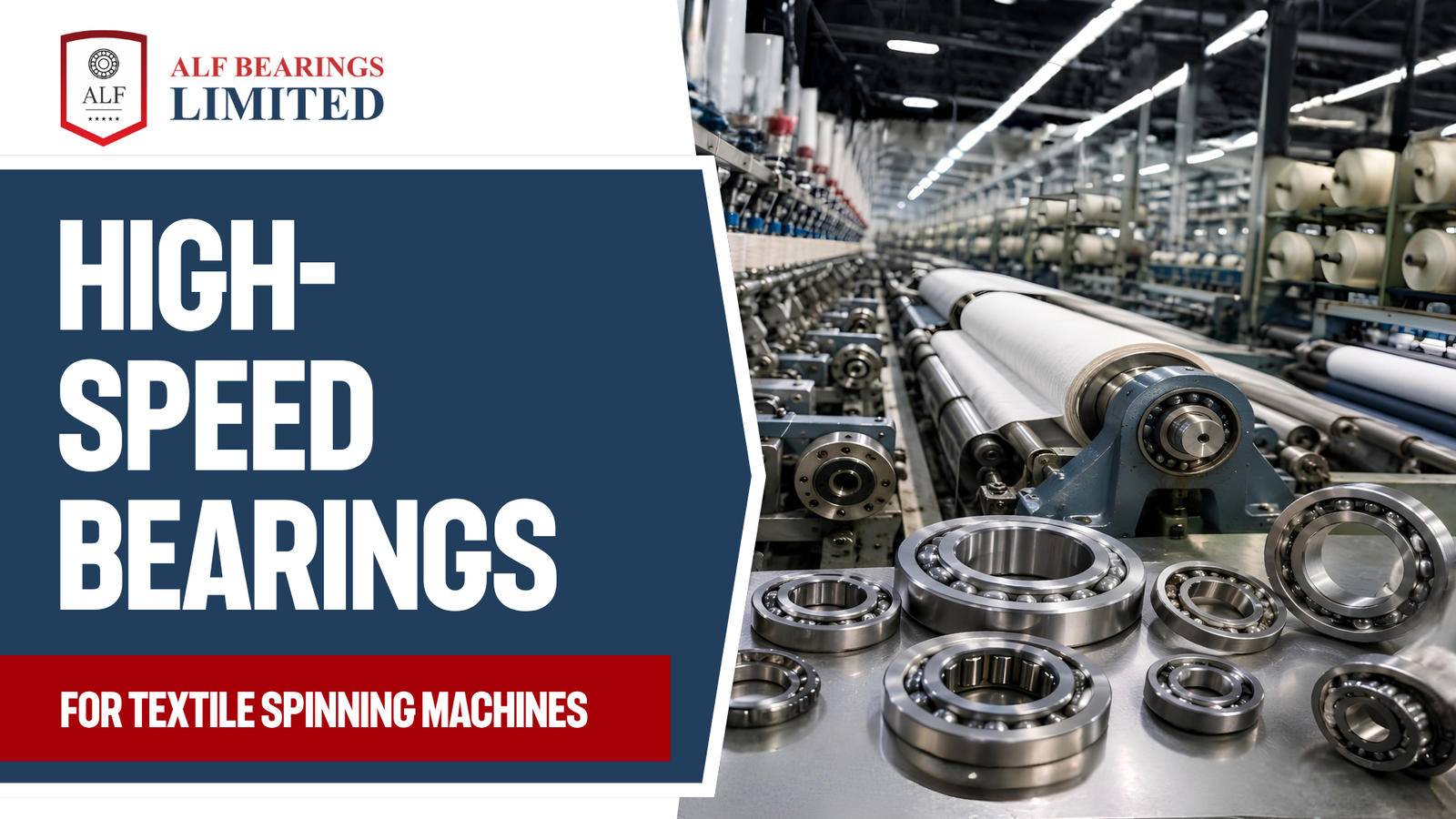
Textile spinning machines work at high speeds and need bearings that can maintain smooth movement for long production cycles. A small increase in friction, heat, vibration, or contamination can affect machine performance and bearing life. For this reason, textile spinning machine bearings need to be selected according to speed, load, temperature, lubrication, and operating conditions.
Bearings used in spinning and textile equipment must also deal with lint, dust, moisture, and regular machine movement. Sealed designs, suitable grease, accurate internal clearance, and proper mounting can help maintain stable operation.
Why Bearings Matter in Textile Spinning Machines
A spinning machine contains many rotating parts that need smooth and controlled movement. Bearings support shafts and other moving components while reducing friction between surfaces.
In high-speed equipment, excess heat and friction can affect bearing performance during long operating hours. Low-friction bearings can reduce resistance during rotation and help control heat generated during operation.
Bearing condition can also affect machine reliability, particularly when a production line operates with little downtime. The right bearing can help reduce unplanned stoppages and the need for frequent maintenance.
What Makes a Bearing Suitable for Textile Machinery?
Textile machinery has working conditions that are different from many general industrial applications. Fine fibers and dust can enter machine areas, while moisture and chemicals may also be present in some textile processes. Proper bearing selection can support smooth machine operation and reduce friction during long working hours. These machine components should be chosen according to the following requirements:
- Low friction to support smooth movement at high rotational speeds.
- Proper sealing to reduce the entry of lint, dust, and other contaminants.
- Suitable grease that can handle the operating temperature and speed.
- Accurate internal clearance for stable operation.
- Good resistance to heat, moisture, and chemicals where required.
- The ability to accommodate a certain amount of shaft or housing misalignment.
These factors should be checked against the machine manufacturer’s requirements before selecting a bearing.
Bearings Used in Textile Spinning Equipment
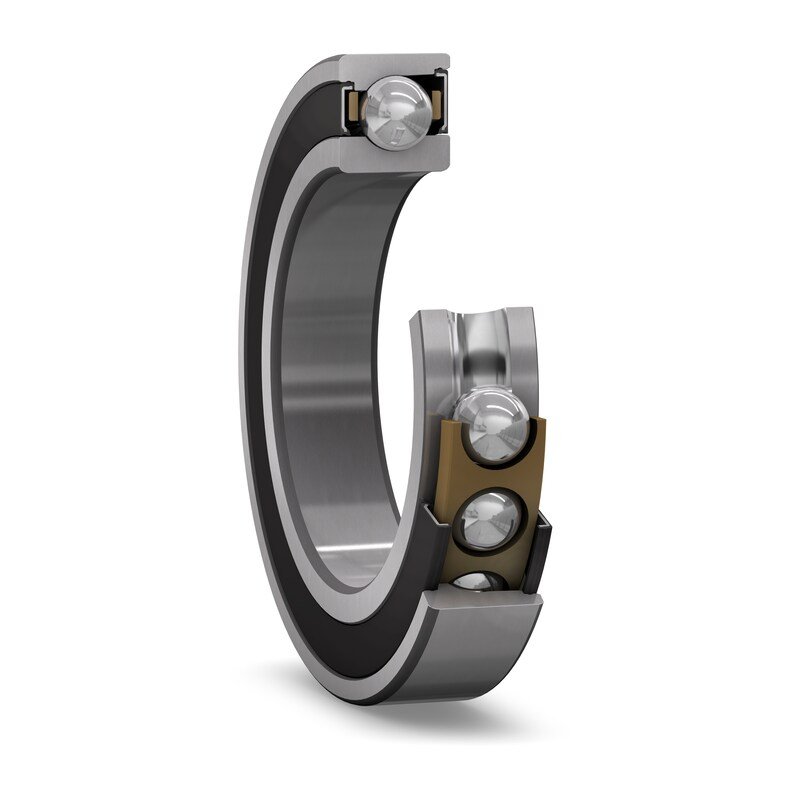
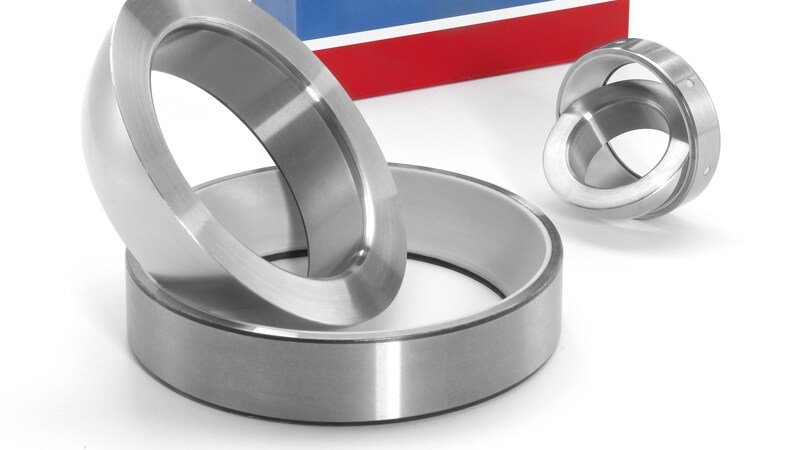
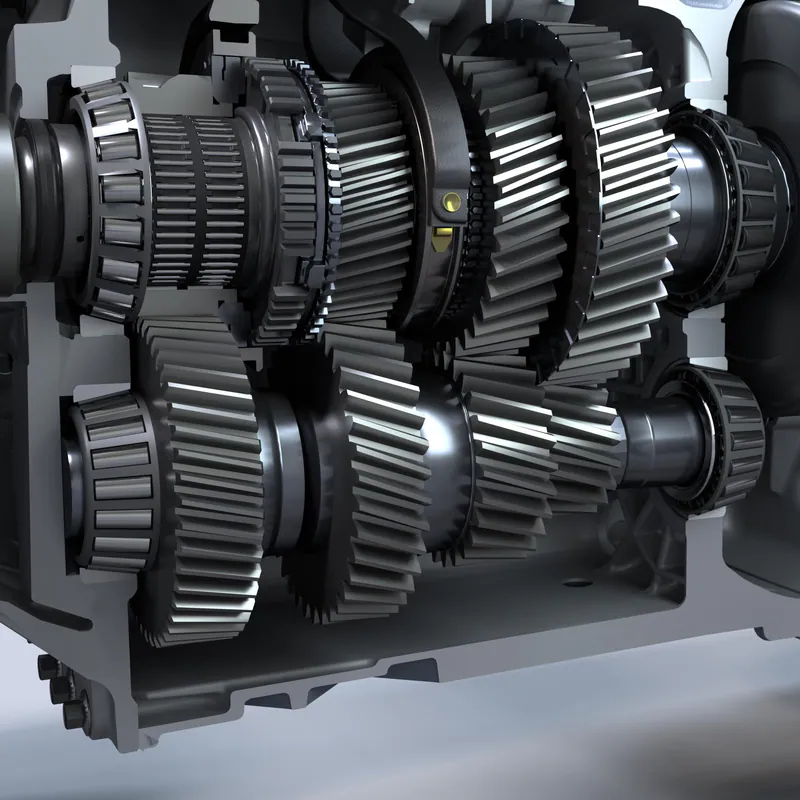
Ball bearings are widely used in textile machinery. Deep groove ball bearings are suitable for many applications where smooth rotation and support for radial and axial loads are required. Self-aligning ball bearings can be useful where shaft deflection or alignment variation needs to be accommodated.
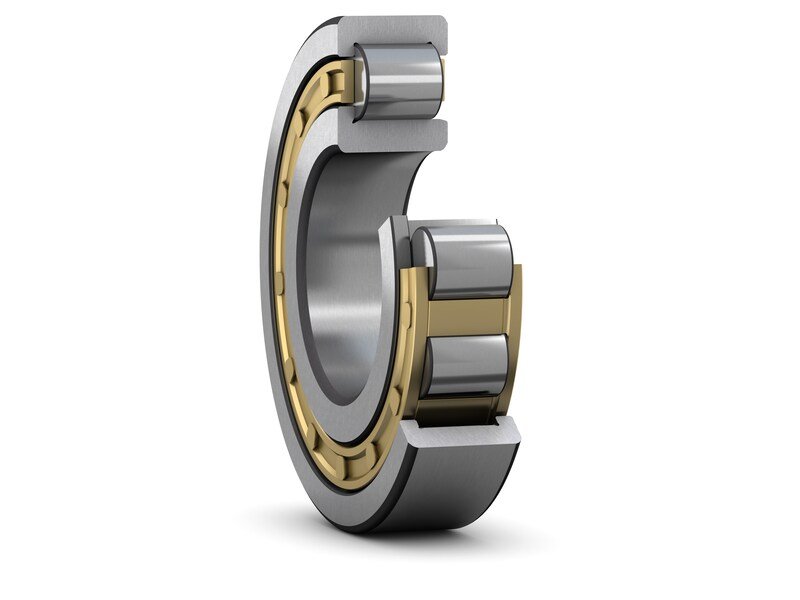
Needle roller bearings are also used in textile equipment. They can provide a compact bearing arrangement where available installation space is limited. Textile machinery applications can include spinning frames, draw frames, weaving machines, embroidery equipment, and other processing machines.
The correct bearing type depends on the shaft size, speed, load, available space, alignment, lubrication method, and surrounding conditions. An industrial bearing supplier can provide suitable bearing options based on these machine requirements.
Importance of Precision Engineering
Precision Engineering is important when bearings are used in high-speed textile machinery. Accurate raceways, proper internal clearance, balanced components, and suitable surface finishes can affect vibration, temperature, and running smoothness.
A bearing with unsuitable clearance may generate excess heat or vibration. Incorrect installation can also place additional force on the bearing and shorten its service life.
How to Choose the Right Textile Bearing
When selecting textile components and bearings for spinning machinery, start with the machine’s operating conditions. Check the required speed. radial and axial loads, shaft dimensions, temperature, lubrication, and contamination level.
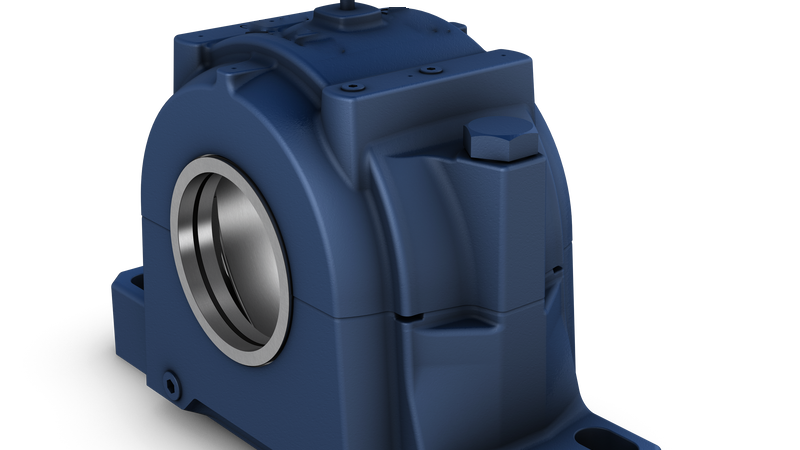
The installation method should also be considered. Some textile machines use housed bearing units, while others require individual bearings fitted directly into the machine arrangement.
An industrial bearing supplier should be able to provide dimensional information, speed ratings, load ratings, sealing options, lubrication details, and application guidance. This information helps maintenance teams and engineers select a bearing that matches the machine rather than choosing only by size.
Maintenance of Textile Machine Bearings
Regular inspection can help identify bearing problems before they cause a machine stoppage. Unusual noise, increased vibration, rising temperature, or changes in machine movement may indicate a bearing or lubrication problem.
Clean working conditions also matter. Textile lint and dust should be kept away from exposed bearing areas, while seals should be checked for damage.
Lubrication should follow the bearing and machine manufacturer’s recommendations. Too little grease can increase wear, while excessive grease can increase operating temperature, particularly at high speeds.
Wrapping It Up
High-speed textile machinery needs bearings that can handle continuous rotation, low friction, contamination, heat, and alignment changes. The bearing should match the machine speed, load, lubrication, and working conditions. Regular cleaning, proper lubrication, and timely inspection can also help prevent bearing problems and keep the machine running properly.
FAQs
Ball bearings and needle roller bearings are commonly used, depending on the machine and application.
They reduce resistance during rotation and can support efficient machine operation.
Lint and dust can enter the bearing area, contaminate the lubricant, and increase wear if the bearing is not properly sealed.
Check speed, load, shaft size, temperature, lubrication, sealing, alignment, and available installation space.
Correct installation, suitable lubrication, clean working conditions, regular inspection, and using the correct bearing specification can help extend bearing service life.